

More than 60 percent of American e-commerce businesses report wasted ad spend on social media campaigns. Digital marketing managers know that every dollar counts when driving results online. Setting clear objectives, embracing AI targeting, and refining ad creatives offer real solutions for transforming unpredictable performance into consistent return on investment. This guide reveals proven tactics that help small and medium-sized brands optimize campaigns and extract maximum value from their advertising budgets.
Table of Contents
- 1. Define Clear Campaign Objectives And Kpis
- 2. Use Ai-Powered Audience Targeting Tools
- 3. Craft High-Impact Ad Creatives With Automation
- 4. Test Multiple Platforms For Optimal Reach
- 5. Leverage A/B Testing For Creative Improvement
- 6. Manage Budgets With Real-Time Optimization
- 7. Track Performance Using Smart Analytics
Quick Summary
| Takeaway | Explanation |
|---|---|
| 1. Define SMART Campaign Objectives | Establish clear, measurable goals based on Specific, Measurable, Attainable, Relevant, and Time-bound criteria to guide your advertising efforts. |
| 2. Utilize AI for Target Audience | Leverage AI tools to enhance audience targeting, ensuring ads reach the most relevant potential customers based on their behaviors and preferences. |
| 3. Implement A/B Testing for Ads | Conduct A/B tests to compare different ad versions, allowing data-driven decisions to improve performance and engagement. |
| 4. Optimize Budgets in Real-Time | Manage budgets by reallocating funds based on real-time performance data to maximize ROI from high-performing campaigns. |
| 5. Monitor Key Performance Metrics | Track essential metrics like engagement rates and conversion percentages to gain insights into campaign effectiveness and audience interaction. |
1. Define Clear Campaign Objectives and KPIs
Successful social media advertising begins with establishing laser-focused campaign objectives and key performance indicators (KPIs). Your advertising strategy needs a robust roadmap that transforms vague aspirations into measurable, actionable goals.
Defining clear objectives is critical because they serve as the foundation for your entire advertising approach. Social media marketing strategy experts recommend using SMART goals – Specific, Measurable, Attainable, Relevant, and Time-bound. This framework helps you create targeted campaigns that directly align with your broader business outcomes.
When setting objectives, consider what you truly want to achieve. Are you looking to increase brand awareness, generate leads, drive website traffic, or boost sales conversions? Each goal requires a different strategic approach and unique set of metrics to track performance.
For instance, if your objective is brand awareness, your KPIs might include reach, impressions, and engagement rates. For lead generation, you would track metrics like click-through rates, form submissions, and cost per lead. By matching specific objectives with precise measurement tools, you transform your social media advertising from guesswork to a data-driven science.
Practical Implementation Steps:
- Identify your primary business goal
- Select 2-3 specific, measurable objectives
- Determine the most relevant KPIs for each objective
- Establish baseline metrics before launching your campaign
- Create a tracking system to monitor progress
Pro Tip: Create a performance dashboard that automatically tracks your selected KPIs, enabling real-time campaign optimization and quick strategic adjustments.
2. Use AI-Powered Audience Targeting Tools
Advancing your social media advertising strategy requires leveraging sophisticated AI technologies that transform how you identify and engage potential customers. AI-driven advertising strategies have revolutionized audience targeting by enabling unprecedented precision and personalization.
Modern AI technologies analyze massive datasets including browsing history, social media interactions, and consumer behavior patterns to create hyper-targeted audience segments. Machine learning algorithms can quickly process complex information that would take humans significant time to evaluate, identifying nuanced audience characteristics and preferences with remarkable accuracy.
Key Benefits of AI Audience Targeting:
- Dramatically improved audience relevance
- Higher engagement rates
- More efficient ad spend
- Reduced customer acquisition costs
- Increased conversion potential
Implementing AI audience targeting means moving beyond traditional demographic segmentation. These advanced tools can predict user interests, anticipate purchasing behaviors, and match your advertisements with individuals most likely to convert. By understanding not just who your audience is, but how they think and interact online, you can craft messages that resonate on a deeply personal level.
Practical Implementation Steps:
- Select AI powered targeting platforms
- Define your core audience characteristics
- Configure detailed targeting parameters
- Continuously refine audience models
- Monitor and adjust targeting performance
Pro Tip: Regularly update your AI targeting models with fresh data to maintain accuracy and adapt to evolving consumer behaviors.
3. Craft High-Impact Ad Creatives with Automation
The future of social media advertising lies in seamlessly blending artificial intelligence with human creativity. AI-powered creative generation has transformed how marketers develop compelling visual and textual content that captures audience attention.
Automation technologies enable rapid content creation while maintaining high quality and relevance. By leveraging machine learning algorithms, marketers can generate multiple ad variations quickly, test different creative approaches, and identify the most effective designs without extensive manual labor.
Key Advantages of Creative Automation:
- Accelerated content production
- Consistent brand messaging
- Data driven design optimization
- Reduced creative development costs
- Increased testing capabilities
Successful creative automation requires a strategic balance. While AI can generate numerous concepts, human oversight remains critical to ensure emotional resonance, cultural sensitivity, and brand authenticity. The most effective approach combines algorithmic efficiency with human creative intuition.
Practical Implementation Steps:
- Select advanced AI creative tools
- Define clear brand guidelines
- Create template frameworks
- Establish human review processes
- Continuously refine AI training data
- Monitor performance metrics
Pro Tip: Develop a collaborative workflow where AI generates initial creative concepts and human experts provide strategic refinement and emotional nuance.
4. Test Multiple Platforms for Optimal Reach
Successful digital marketing demands a strategic approach to platform diversity. Social media marketing strategy reveals that reaching your target audience requires thoughtful exploration across multiple channels.
Each social media platform offers unique audience demographics, engagement patterns, and advertising capabilities. Facebook might excel for broad consumer markets, while LinkedIn could be superior for B2B targeting. Instagram often works best for visually driven brands, and Twitter can provide real time engagement for trending topics.
Platform Testing Strategy Elements:
- Identify target audience characteristics
- Research platform user demographics
- Create platform specific content variations
- Track performance metrics individually
- Compare cross platform results
- Allocate budget proportionally
Effective platform testing involves systematic experimentation. Start with smaller budget allocations across different channels, measure key performance indicators, and progressively invest in platforms demonstrating the strongest engagement and conversion potential.
Recommended Testing Approach:
- Develop consistent brand messaging
- Design platform optimized creatives
- Run simultaneous test campaigns
- Monitor click through and conversion rates
- Analyze audience interaction patterns
- Refine targeting strategies
Pro Tip: Create a performance tracking spreadsheet that compares metrics across platforms, allowing you to quickly visualize which channels deliver the most cost effective results.
5. Leverage A/B Testing for Creative Improvement
A/B testing represents a powerful scientific approach to refining your social media advertising strategy. A/B testing methods enable marketers to make data driven decisions that dramatically improve creative performance.
The core principle involves creating two distinct versions of an advertisement and systematically comparing their effectiveness. By randomly presenting different ad variants to audience segments, you can identify which creative elements generate higher engagement, click through rates, and conversions.
Key A/B Testing Elements to Evaluate:
- Headline variations
- Image or video content
- Color schemes
- Call to action phrasing
- Ad copy length
- Visual composition
- Emotional tone
Successful A/B testing requires methodical execution. Start by changing one variable at a time to ensure clear performance insights. This approach allows you to understand precisely which specific modification drives improved results, whether that involves adjusting visual design, messaging tone, or targeting parameters.
Practical Implementation Strategy:
- Define clear testing objectives
- Create controlled ad variations
- Establish statistical significance thresholds
- Monitor performance metrics
- Document comprehensive results
- Scale winning creative elements
Pro Tip: Allocate a consistent testing budget and treat A/B experiments as ongoing learning opportunities rather than one time exercises, continuously refining your creative approach.
6. Manage Budgets with Real-Time Optimization
Successful social media advertising hinges on smart, dynamic budget management. Social media marketing strategy emphasizes the critical importance of continuously adjusting campaign spending based on real-time performance data.
Real-time budget optimization transforms advertising from a static expense to an intelligent, responsive investment. Instead of allocating fixed budgets and hoping for results, modern marketers use advanced analytics to make instantaneous funding decisions that maximize return on investment.
Key Budget Optimization Strategies:
- Monitor performance metrics hourly
- Shift funds to high performing channels
- Pause underperforming ad sets
- Incrementally increase budget for winning campaigns
- Set automated spending thresholds
- Implement granular tracking mechanisms
Effective budget management requires a proactive approach. By establishing clear performance benchmarks and creating flexible spending parameters, you can ensure that every advertising dollar works harder and generates maximum impact across different social media platforms.
Practical Implementation Steps:
- Define clear campaign objectives
- Set initial budget allocation percentages
- Establish performance trigger points
- Create automated budget reallocation rules
- Review and adjust weekly
- Develop comprehensive tracking dashboards
Pro Tip: Implement a disciplined 10% rule where you continuously reinvest gains from top performing ads while maintaining a consistent overall budget.
7. Track Performance Using Smart Analytics
Measuring social media advertising success requires more than casual observation. Social media analytics transforms raw data into strategic insights that drive intelligent marketing decisions.
Smart analytics go beyond surface level metrics by providing deep understanding of audience behavior, engagement patterns, and campaign effectiveness. These sophisticated tools help marketers decode complex performance signals that traditional reporting methods might overlook.
Critical Performance Metrics to Monitor:
- Engagement rate
- Click through rate
- Conversion percentage
- Cost per acquisition
- Audience demographic insights
- Reach and impressions
- Sentiment analysis
Successful analytics implementation requires a systematic approach. You need to establish baseline metrics, set clear performance benchmarks, and create a consistent tracking framework that allows for meaningful comparative analysis across different campaigns and platforms.
Practical Analytics Tracking Steps:
- Select comprehensive analytics platforms
- Define key performance indicators
- Create custom reporting dashboards
- Establish regular review intervals
- Build comparative analysis frameworks
- Develop actionable insight protocols
Pro Tip: Create a monthly performance narrative that translates raw metrics into strategic recommendations, helping your team understand not just what happened, but why it happened and what to do next.
Below is a comprehensive table summarizing the key strategies and takeaways from the article on optimizing social media advertising effectively.
| Strategy | Implementation Steps | Benefits |
|---|---|---|
| Define Clear Objectives | Identify specific, measurable objectives and corresponding KPIs; utilize SMART criteria for goals. | Ensures clear focus and measurable campaign success. |
| Leverage AI in Targeting | Employ AI tools for audience analysis and segmentation; define core audience characteristics. | Improves precision in audience engagement and optimizes resources. |
| Craft High-Impact Ads | Utilize AI-powered creative tools alongside human oversight; adhere to brand guidelines. | Accelerates content production while maintaining quality and appeal. |
| Explore Diverse Platforms | Test and analyze outcomes across multiple social media platforms; create tailored content. | Identifies the most effective channels for engagement and conversions. |
| Implement A/B Testing | Develop ad variations, alter specific elements, and monitor performance metrics. | Refines creative strategies and improves overall ad impact. |
| Monitor Budgets Real-Time | Employ analytics for dynamic funding decisions; establish reallocation rules. | Maximizes advertising ROI through adaptive spending. |
| Use Advanced Analytics | Select robust analytics platforms; regularly track metrics like engagement and conversions. | Enables data-informed decision-making and strategic optimizations. |
Unlock Higher ROI with Smarter Social Media Advertising
The challenge highlighted in “7 Essential Social Media Ad Tips to Maximize ROI” is clear: creating efficient campaigns that maximize return while reducing wasted budget and effort. Key pain points include defining clear objectives, leveraging AI for precise audience targeting, automating creative generation, and real-time budget optimization. These are exactly the areas where many businesses struggle to keep pace in today’s fast-moving digital landscape.
With Rekla.AI, you gain access to an AI-powered advertising automation platform designed to solve these exact challenges. Our platform uses advanced AI technologies to help you generate eye-catching ad creatives, pinpoint your ideal audience across multiple channels, and continually optimize your campaigns for better results. By simplifying complex tasks like A/B testing and budget management, Rekla.AI empowers small-to-medium-sized businesses and digital marketers to achieve higher click-through rates and lower acquisition costs without needing extensive advertising expertise.
Ready to harness the power of AI-driven ad automation and start maximizing your social media advertising ROI today?
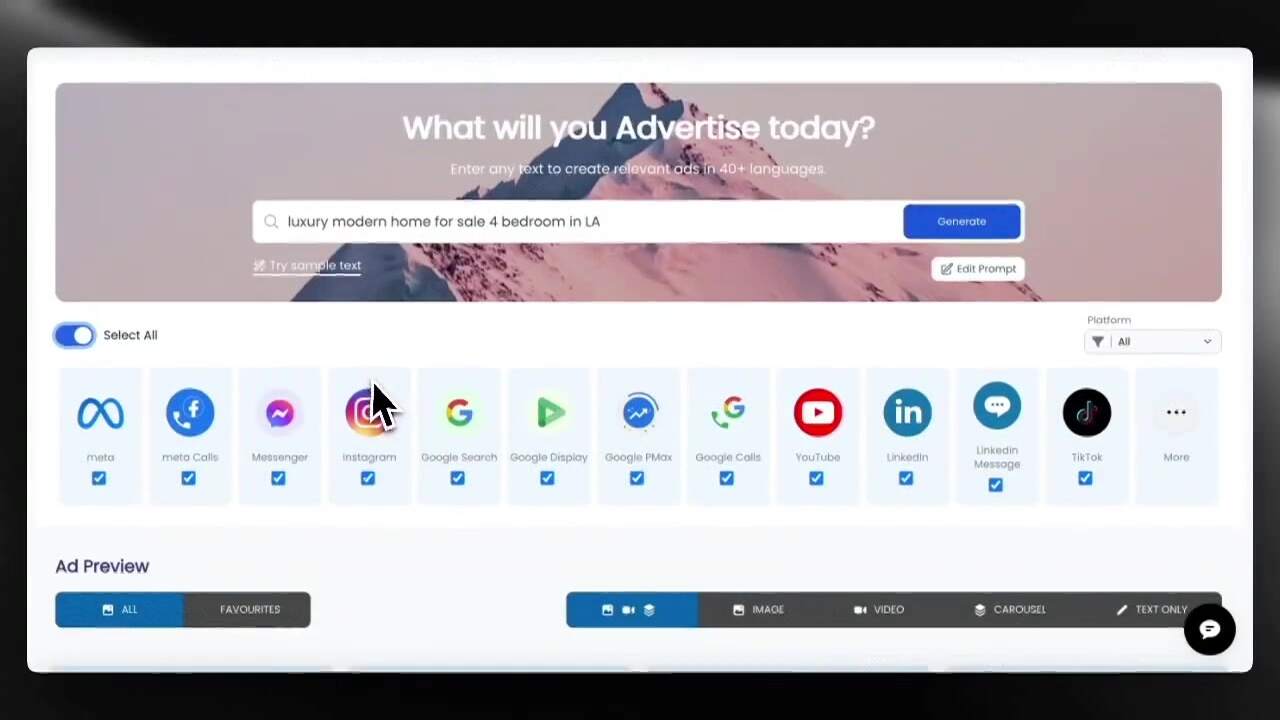
Explore how to transform your advertising strategy with AI tools that deliver smarter, data-driven campaigns. Visit Rekla.AI now and take control of your advertising success. Learn more about effective Audience Targeting and innovative Creative Automation to unlock your campaign’s full potential.
Frequently Asked Questions
What are the key objectives I should set for my social media advertising campaigns?
Defining clear objectives is essential for success. Consider focusing on goals like increasing brand awareness, generating leads, or boosting sales conversions, and select 2-3 specific, measurable objectives linked to your primary business goal.
How can I effectively use AI for audience targeting in my social media ads?
Utilize AI-powered audience targeting tools to create hyper-targeted audience segments based on customer behavior. Begin by selecting an AI platform, defining core audience characteristics, and continuously refining your audience models to enhance engagement.
What steps should I take to create high-impact ad creatives?
Start by selecting advanced AI creative tools to automate content generation. Develop templates within clear brand guidelines, and establish a review process to ensure the creatives resonate emotionally with your audience.
How do I conduct A/B testing for my ad creatives?
Implement A/B testing by creating two distinct versions of an ad, focusing on one variable at a time, such as the call to action or image content. Analyze the results to identify which version performs better, and scale successful elements in future campaigns.
What methods can I use for real-time budget optimization in my campaigns?
Monitor key performance metrics regularly and adjust your budget allocation based on real-time results. Shift funds to high-performing ads, pause underperforming ones, and set automated spending thresholds to maximize return on investment.
How can I effectively track the performance of my social media advertising?
Adopt a systematic approach to analytics by defining key performance indicators and creating custom reporting dashboards. Review these metrics regularly, and develop insights that inform strategic adjustments for improved campaign outcomes.
Recommended
- LinkedIn Ads vs. Other Social Media Platforms: Which Is Best?
- LinkedIn Ads vs. Other Social Media Platforms: Which Is Best?
- Facebook Ads Best Practices 2026 | Rekla.ai Guide
- Facebook Ads Best Practices 2026 | Rekla.ai Guide
- Choosing the Right Online Advertising Strategy for Your Business: A Comprehensive Guide – Digital Marketing Agency – Market Link Solutions
- 7 Brilliant Social Media Advertising Ideas for Local Businesses
 English
 English (UK)
 Polski
 Deutsch
 Español
 Français
 Português
 Svenska
 Dansk
Dansk Nederlands