

Nearly 80 percent of American e-commerce businesses struggle to convert ad spend into consistent growth. With so many platforms and endless options, making sense of digital advertising can feel daunting for any small business owner. For digital marketing managers aiming to maximize every dollar, harnessing AI-driven strategies is no longer just a trend. This guide reveals how to set actionable goals, use automation, and unlock real-time insights to fuel smarter campaign decisions and better results.
Table of Contents
- 1. Set Clear Campaign Goals For Maximum Impact
- 2. Use Ai-Powered Tools To Streamline Ad Creation
- 3. Target Audiences Precisely Across Multiple Platforms
- 4. Optimize Budgets For Cost-Effective Performance
- 5. Implement Data-Driven A/B Testing Regularly
- 6. Leverage Real-Time Analytics To Adjust Strategies
- 7. Automate Multi-Channel Campaigns For Better Reach
Quick Summary
| Takeaway | Explanation |
|---|---|
| 1. Set SMART Campaign Goals | Establish specific, measurable, achievable, relevant, and time-bound objectives to guide your advertising efforts effectively. |
| 2. Utilize AI-Powered Tools | Leverage AI to enhance ad creation efficiency, generating multiple variations tailored to your audience quickly and cost-effectively. |
| 3. Target Audiences Accurately | Create detailed customer personas and adapt messaging for different platforms to increase advertising effectiveness and ROI. |
| 4. Optimize Budgets Dynamically | Implement real-time budget adjustments based on performance analysis to maximize return on investment across channels. |
| 5. Conduct Regular A/B Testing | Systematically test different ad elements to identify what resonates best with your audience and continually improve performance. |
1. Set Clear Campaign Goals for Maximum Impact
Successful digital advertising begins with crystal clear campaign objectives. Small e-commerce businesses must establish precise, measurable goals that directly align with their broader business strategies.
Defining campaign goals goes beyond simply wanting more sales. Effective goal setting requires understanding your specific marketing funnel stages and data driven marketing principles. These objectives might include increasing brand awareness, generating qualified leads, driving website traffic, or boosting conversion rates.
To set impactful goals, start by analyzing your current performance metrics. Identify key performance indicators (KPIs) that matter most to your business. These could range from click-through rates and cost per acquisition to engagement levels and return on ad spend. Each goal should follow the SMART framework: Specific, Measurable, Achievable, Relevant, and Time-bound.
For example, instead of a vague goal like “increase sales,” a SMART goal would be “Increase online product sales by 25% within the next quarter by targeting women aged 25-40 through Facebook and Instagram ads.” This approach provides a clear target and measurable outcome.
Remember that goals should be adaptable. Digital advertising landscapes change rapidly, so regularly review and adjust your objectives based on campaign performance and market trends.
Pro Tip: Create a quarterly goal review process where you analyze campaign performance and realign your digital advertising strategy with your evolving business objectives.
2. Use AI-Powered Tools to Streamline Ad Creation
Artificial intelligence has transformed digital advertising by offering powerful tools that simplify and optimize ad creation for small e-commerce businesses. AI technologies now enable marketers to generate compelling ad content faster and more efficiently than traditional methods.
AI powered tools can automate complex marketing processes by generating personalized ad content, analyzing performance metrics, and identifying optimal audience targeting strategies. These technologies leverage machine learning algorithms to understand consumer behavior patterns and create highly targeted advertisements that resonate with specific audience segments.
Small e-commerce businesses can benefit from AI tools that help generate multiple ad variations quickly. These tools analyze your product images, brand guidelines, and marketing objectives to create diverse creative assets. By inputting basic information about your product and target audience, AI can generate headlines, descriptions, and even visual designs that are tailored to different platforms like Facebook, Instagram, and Google Ads.
The key advantages of using AI for ad creation include reduced production time, lower content creation costs, and the ability to produce multiple ad variations simultaneously. AI tools can also provide predictive insights about which ad variants are likely to perform best, allowing marketers to make data driven decisions.
When selecting an AI ad creation tool, look for features like multi platform support, real time performance analytics, audience targeting capabilities, and integration with your existing marketing technology stack.
Pro Tip: Start with a small batch of AI generated ads and continuously compare their performance against manually created content to understand the tool’s effectiveness for your specific business needs.
3. Target Audiences Precisely Across Multiple Platforms
Precise audience targeting is the cornerstone of successful digital advertising for small e-commerce businesses. By understanding and reaching the right people across different platforms, you can dramatically improve your advertising effectiveness and return on investment.
Modern digital advertising requires sophisticated approaches to algorithmic targeting and audience segmentation. This means moving beyond basic demographic information and diving deep into behavioral, psychographic, and contextual data that reveals your ideal customer’s preferences, interests, and online behaviors.
To target audiences effectively, start by creating detailed customer personas that go beyond simple age and gender classifications. Consider factors like purchasing habits, online engagement patterns, device usage, and content consumption preferences. Each social media and advertising platform offers unique targeting capabilities that allow you to refine your audience selection with remarkable precision.
Effective cross platform targeting involves understanding the nuanced differences between platforms. LinkedIn might be ideal for professional services, while Instagram works best for visually appealing products. Facebook offers granular targeting options, and TikTok provides access to younger demographics. The key is to adapt your messaging and creative approach to suit each platform’s unique audience characteristics.
Utilize advanced tracking and analytics tools to continuously refine your audience targeting. Monitor metrics like engagement rates, click through rates, and conversion performance across different segments to progressively improve your targeting strategy.
Pro Tip: Create platform specific ad variations that speak directly to the unique characteristics and expectations of each platform’s audience.
4. Optimize Budgets for Cost-Effective Performance
Successful digital advertising requires strategic budget allocation that maximizes return on investment while minimizing unnecessary spending. Small e-commerce businesses must approach advertising expenditures with precision and data driven insight.
The key to effective budget optimization lies in implementing data driven attribution models that track performance across multiple channels. This means moving beyond simple spending metrics and understanding the true value of each advertising touchpoint in your customer acquisition journey.
Start by conducting a comprehensive audit of your current advertising spend. Analyze the performance of each platform and campaign by examining metrics such as cost per acquisition, conversion rates, and customer lifetime value. Identify which channels deliver the most significant return and be prepared to reallocate funds dynamically.
Implement a flexible budgeting approach that allows for real time adjustments. This might involve setting initial budget allocations but maintaining the ability to shift resources quickly based on performance data. For example, if Facebook ads are generating more qualified leads at a lower cost compared to Google Ads, you can gradually increase investment in the more effective channel.
Utilize advanced analytics tools that provide granular insights into campaign performance. Look for platforms that offer multi touch attribution tracking, which helps you understand the complete customer journey and the true impact of each advertising touchpoint. This approach allows for more nuanced budget optimization beyond simplistic last click models.
Pro Tip: Establish a monthly budget review process where you critically evaluate advertising performance and be prepared to make swift, data informed adjustments to your spending strategy.
5. Implement Data-Driven A/B Testing Regularly
A/B testing represents a powerful strategy for small e-commerce businesses to optimize digital advertising performance through systematic experimentation. By comparing different versions of ads, landing pages, and marketing materials, you can make informed decisions that directly impact your conversion rates and revenue.
Randomized controlled experiments provide critical insights into what resonates with your target audience. This methodical approach allows you to test specific elements such as ad headlines, images, call to action buttons, and overall creative design to understand which variations drive the most engagement and sales.
To conduct effective A/B testing, start by identifying a single variable you want to test. This could be the ad copy, visual design, targeting parameters, or landing page layout. Create two versions with only one key difference, then split your audience randomly to ensure statistically valid results. Monitor metrics like click through rates, conversion rates, and cost per acquisition to determine which version performs better.
Most digital advertising platforms now offer built in A/B testing capabilities that make experimentation straightforward. Allocate a small percentage of your budget to test different variations, gradually scaling up the more successful approach. Remember that meaningful testing requires sufficient sample sizes to draw accurate conclusions.
Consistent A/B testing transforms your digital advertising from guesswork to a scientific approach. By continuously experimenting and refining your strategies, you can incrementally improve performance and reduce advertising costs over time.
Pro Tip: Develop a regular testing schedule where you evaluate and experiment with at least one advertising element every month to maintain continuous improvement.
6. Leverage Real-Time Analytics to Adjust Strategies
Successful digital advertising requires more than static campaign planning. Small e-commerce businesses must embrace dynamic marketing strategies powered by real-time analytics to stay competitive in a rapidly changing digital landscape.
Real-time analytics provides instantaneous insights into campaign performance, allowing you to make swift, data driven decisions. These advanced tools track key performance indicators across multiple platforms, giving you a comprehensive view of how your advertising efforts are performing at any given moment.
To effectively leverage real-time analytics, integrate comprehensive tracking tools that monitor metrics such as click through rates, conversion rates, audience engagement, and cost per acquisition. Look for platforms that offer dashboards with live updating information, enabling you to see campaign performance as it happens.
Immediate actionable insights are crucial. When you notice a particular ad set underperforming, you can quickly adjust targeting parameters, modify creative elements, or reallocate budget to more successful campaigns. This agile approach prevents wasting resources on ineffective advertising strategies.
Modern AI powered analytics platforms can even provide predictive recommendations, suggesting optimization strategies based on emerging performance trends. These tools use machine learning algorithms to analyze vast amounts of data and provide intelligent insights that humans might overlook.
Pro Tip: Set up automated alerts in your analytics platform to notify you instantly when key performance metrics deviate from expected ranges, allowing for immediate strategic adjustments.
7. Automate Multi-Channel Campaigns for Better Reach
Modern digital advertising demands a sophisticated approach to managing campaigns across multiple platforms. Small e-commerce businesses can dramatically improve their marketing efficiency by automating multi-channel communication strategies.
Marketing automation platforms enable businesses to coordinate messaging and track performance across diverse channels including social media, email, SMS, and web advertising. This integrated approach ensures consistent brand communication and allows for more intelligent resource allocation.
To implement effective multi-channel automation, start by selecting a robust platform that can synchronize campaigns across different digital environments. Look for tools that offer real time tracking, audience segmentation, and the ability to personalize content dynamically based on user interactions and behaviors.
Successful multi-channel automation requires understanding each platform’s unique characteristics. Different social media channels and advertising platforms have distinct audience expectations, engagement patterns, and technical requirements. Your automated campaigns should adapt messaging and creative elements to suit each specific channel while maintaining a cohesive brand narrative.
Advanced automation tools can help you schedule content, track performance metrics, and even make intelligent recommendations for campaign optimization. By reducing manual intervention, these platforms free up your time to focus on strategic decision making and creative development.
Pro Tip: Create a comprehensive content library with modular messaging components that can be quickly adapted and deployed across different platforms to streamline your multi-channel automation efforts.
Below is a comprehensive table summarizing the key strategies and insights for small e-commerce businesses from the article.
| Topic | Key Insights | Suggestions |
|---|---|---|
| Setting Clear Goals | Establish precise and measurable campaign objectives aligned with your business strategy. | Use the SMART framework and review objectives regularly. |
| AI-Powered Ad Tools | AI improves ad creation efficiency and effectiveness. | Start with small-scale tests and evaluate performance against manually created ads. |
| Precise Audience Targeting | Deepen audience segmentation using platform-specific tools. | Refine customer personas and adapt messaging per platform. |
| Budget Optimization | Allocate resources informed by detailed performance data. | Conduct regular budget reviews and dynamically adjust spending. |
| Implementing A/B Testing | Test variations to optimize ad effectiveness. | Focus on one variable at a time and scale successful experiments. |
| Real-Time Analytics | Use live data to guide strategic decisions. | Set up alerts and utilize predictive insights for performance adjustments. |
| Automation Across Platforms | Automate multi-channel campaigns for cohesive branding. | Select integrated tools and adapt content per platform characteristics. |
Unlock Smarter Advertising for Your Small E-Commerce Business
Struggling to set precise campaign goals or optimize your budget can make digital advertising feel overwhelming. This article reveals how AI-driven strategies like real-time analytics, A/B testing, and multi-platform audience targeting transform these challenges into opportunities for growth. If you’re ready to create, manage, and optimize campaigns that deliver measurable results without the guesswork, it is time to embrace automation built for your unique needs.
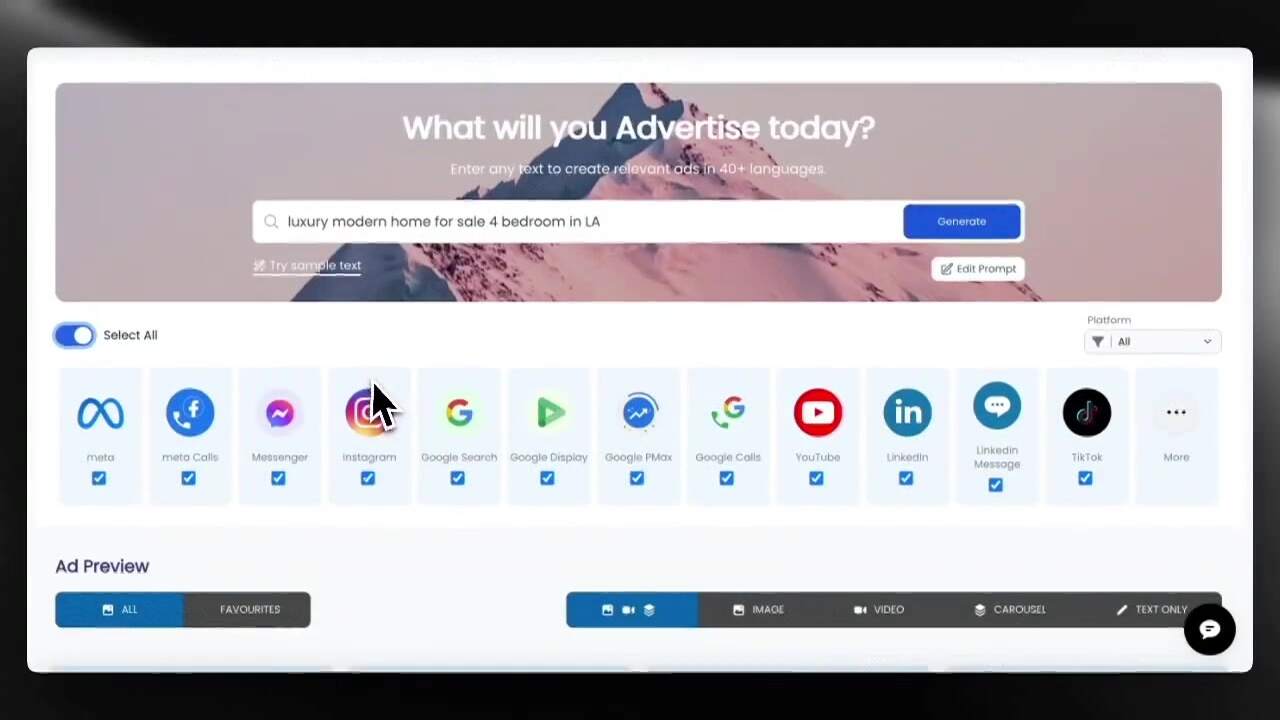
Discover how Rekla.AI simplifies ad creation through powerful AI tools that generate personalized content and automate multi-channel campaigns across platforms like Facebook, Google, TikTok, and more. With features like budget management, real-time optimization, and precise audience targeting, you can reduce costs while increasing click-through rates. Take control of your advertising performance today by visiting Rekla.AI and start driving impactful results from every dollar spent.
Frequently Asked Questions
What are SMART goals in digital advertising for small e-commerce businesses?
SMART goals are specific, measurable, achievable, relevant, and time-bound objectives that guide your advertising strategy. For instance, rather than vaguely wanting to increase sales, aim to “increase online product sales by 25% within the next quarter by targeting women aged 25-40 through Facebook and Instagram ads.”
How can AI-powered tools enhance ad creation for small e-commerce businesses?
AI-powered tools simplify and speed up the ad creation process by generating personalized ad content quickly. Start by inputting basic information about your product and target audience, allowing the AI to create multiple ad variations tailored to different platforms.
What steps should I take to target audiences effectively across multiple platforms?
To target audiences effectively, begin by creating detailed customer personas that reflect your ideal customer’s preferences and behaviors. Utilize the specific targeting capabilities of each platform, adapting your messaging and creative elements to suit their unique characteristics.
How can I optimize my advertising budget for better performance?
To optimize your budget, conduct a comprehensive audit of your current advertising spend and identify which channels yield the best return. Implement a flexible budgeting approach that allows for real-time adjustments based on performance data, such as reallocating funds to channels generating higher qualified leads.
What is A/B testing, and how can it improve my digital advertising strategy?
A/B testing involves comparing different versions of ads or landing pages to see which performs better. To get started, test one variable at a time, such as ad copy or design, and monitor metrics like click-through rates to make informed decisions that boost conversion rates and revenue.
How can real-time analytics help me adjust my digital advertising strategies?
Real-time analytics provide immediate insights into how your campaigns are performing, allowing you to make swift, data-driven adjustments. Use comprehensive tracking tools to monitor key performance indicators and respond quickly to any underperforming ads by refining targeting or modifying creative elements.
 English
 English (UK)
 Polski
 Deutsch
 Español
 Français
 Português
 Svenska
 Dansk
Dansk Nederlands