
Most American e-commerce brands spend over half their advertising budget on digital campaigns, yet struggle to reach the right customers at the right moments. For digital marketing managers, every dollar counts in a competitive market. Using AI to optimize multi-channel ad strategies offers real data-driven advantages without breaking the bank. You’ll discover practical steps for aligning business objectives, targeting precision audiences, and generating campaigns that perform better across key platforms.
Table of Contents
- Step 1: Assess Business Goals And Target Audiences
- Step 2: Set Up AI-Powered Multi-Channel Campaign Tools
- Step 3: Generate High-Impact AI Ad Creatives
- Step 4: Automate Audience Targeting And Budget Allocation
- Step 5: Monitor, Test, And Optimize Campaign Performance
Quick Summary
| Key Point | Explanation |
|---|---|
| 1. Define clear goals and audiences | Establishing precise business goals and understanding target audiences enhances campaign effectiveness significantly. |
| 2. Utilize AI for campaign management | Implementing AI-driven tools simplifies ad management across multiple platforms, improving targeting accuracy and efficiency. |
| 3. Create engaging AI-generated ad content | Leveraging AI to generate tailored ad creatives can increase audience engagement and attract more conversions. |
| 4. Automate targeting and budget allocation | Automating audience targeting and budget management ensures optimal use of resources and maximizes advertising return. |
| 5. Continuously monitor and optimize campaigns | Regularly analyzing performance data and making data-driven adjustments enables sustained campaign improvement and success. |
Step 1: Assess Business Goals and Target Audiences
Navigating the digital advertising landscape starts with crystal-clear business goals and precisely defined target audiences. Understanding exactly who you want to reach dramatically increases your campaign’s potential for success.
Begin by conducting a comprehensive goal mapping exercise that connects your broader business objectives with specific marketing outcomes. Market segmentation techniques will help you pinpoint the most promising audience clusters. Consider metrics like revenue growth, brand awareness, lead generation, and customer acquisition. Break down each goal into measurable, specific targets that can guide your advertising strategy. For instance, if increasing online sales is your primary objective, determine the exact percentage increase you want to achieve and the specific customer demographic most likely to convert.
Next, develop a detailed audience profile by analyzing demographic information, online behaviors, purchasing patterns, and psychographic characteristics. Look beyond basic age and location data. Understand their pain points, aspirations, digital consumption habits, and how your product or service solves their specific challenges. Critical marketing goals emphasize aligning audience insights with strategic messaging that resonates deeply.
Pro tip: Create a living document that tracks your audience personas and continually refine it based on real campaign performance data.
Step 2: Set Up AI-Powered Multi-Channel Campaign Tools
Setting up AI-powered multi-channel campaign tools transforms your digital advertising strategy from guesswork to precision targeting. This step is about leveraging advanced technology to streamline your advertising efforts across multiple platforms.
Start by selecting an AI-driven platform that supports comprehensive digital advertising strategies across various channels. Look for tools that integrate seamlessly with platforms like Google Ads, Facebook, Instagram, and other key networks. The goal is to create a centralized system that can manage and optimize campaigns simultaneously. Digital progress reports highlight how AI-driven analytics can dramatically improve campaign performance by automating complex targeting and placement decisions.
Import your audience data and begin configuring your campaign parameters. Set up detailed audience segments, define targeting criteria, and establish performance benchmarks for each channel. Pay close attention to platform-specific requirements and optimization settings. Most AI tools offer machine learning capabilities that continuously refine your targeting based on real-time performance data, allowing you to maximize your advertising efficiency.

Pro tip: Always start with a small budget test to allow the AI system to learn and optimize your campaign strategies before scaling up investment.
Step 3: Generate High-Impact AI Ad Creatives
Generating compelling AI-powered ad creatives is your gateway to capturing audience attention and driving meaningful engagement. This step transforms data-driven insights into visually stunning and strategically crafted advertising content.
Begin by leveraging AI tools that can analyze digital strategy frameworks to generate personalized ad content. Input your target audience parameters, brand guidelines, and campaign objectives into the AI system. The technology will then generate multiple creative variations that align with your specific marketing goals. Advanced communication research demonstrates that AI can produce contextually relevant ads that dynamically adapt to consumer behavior and preferences.
Review the generated creatives critically. While AI provides an excellent starting point, human oversight remains crucial. Examine each creative for brand alignment, emotional resonance, and potential audience impact. Select the most promising versions, then use A/B testing to determine which variations generate the highest engagement rates. Remember that AI is a powerful tool, but your strategic insights transform good creatives into exceptional marketing assets.
Pro tip: Maintain a feedback loop where campaign performance data continuously refines your AI creative generation parameters for increasingly precise results.
Step 4: Automate Audience Targeting and Budget Allocation
Automate your digital advertising strategy by deploying intelligent targeting and budget allocation tools that maximize your campaign performance. This critical step transforms raw data into precise audience engagement and optimal resource management.
Targeted advertising techniques leverage advanced machine learning algorithms to segment audiences with unprecedented accuracy. Configure your AI system to analyze user behaviors, demographics, and interaction patterns. Input your campaign objectives and let the technology dynamically adjust audience targeting parameters in real time. The system will continuously learn and refine its approach, identifying the most responsive customer segments and allocating budget resources where they generate the highest potential returns. Analytical decision-making models enable your advertising strategy to become increasingly precise and cost effective.
Monitor your automated targeting performance closely. While AI handles complex segmentation and budget distribution, your strategic oversight remains crucial. Regularly review the analytics dashboard to understand how the system is interpreting data and making allocation decisions. Adjust your initial parameters based on emerging insights, ensuring that the automation truly reflects your evolving business goals and market dynamics.
Compare how automation and manual campaign management impact results:
| Approach | Decision Speed | Resource Use | Result Reliability |
|---|---|---|---|
| Manual | Slow, labor intensive | High manual effort | Risk of human error |
| AI Automation | Real-time, dynamic | Less ongoing effort | Consistent, data-driven |
Pro tip: Set up weekly performance checkpoints to validate and fine tune your AI targeting algorithms, preventing potential algorithmic drift and maintaining campaign relevance.
Step 5: Monitor, Test, and Optimize Campaign Performance
Evaluating and refining your digital advertising campaigns is the key to transforming good results into exceptional performance. This crucial stage turns raw data into actionable insights that drive continuous improvement.
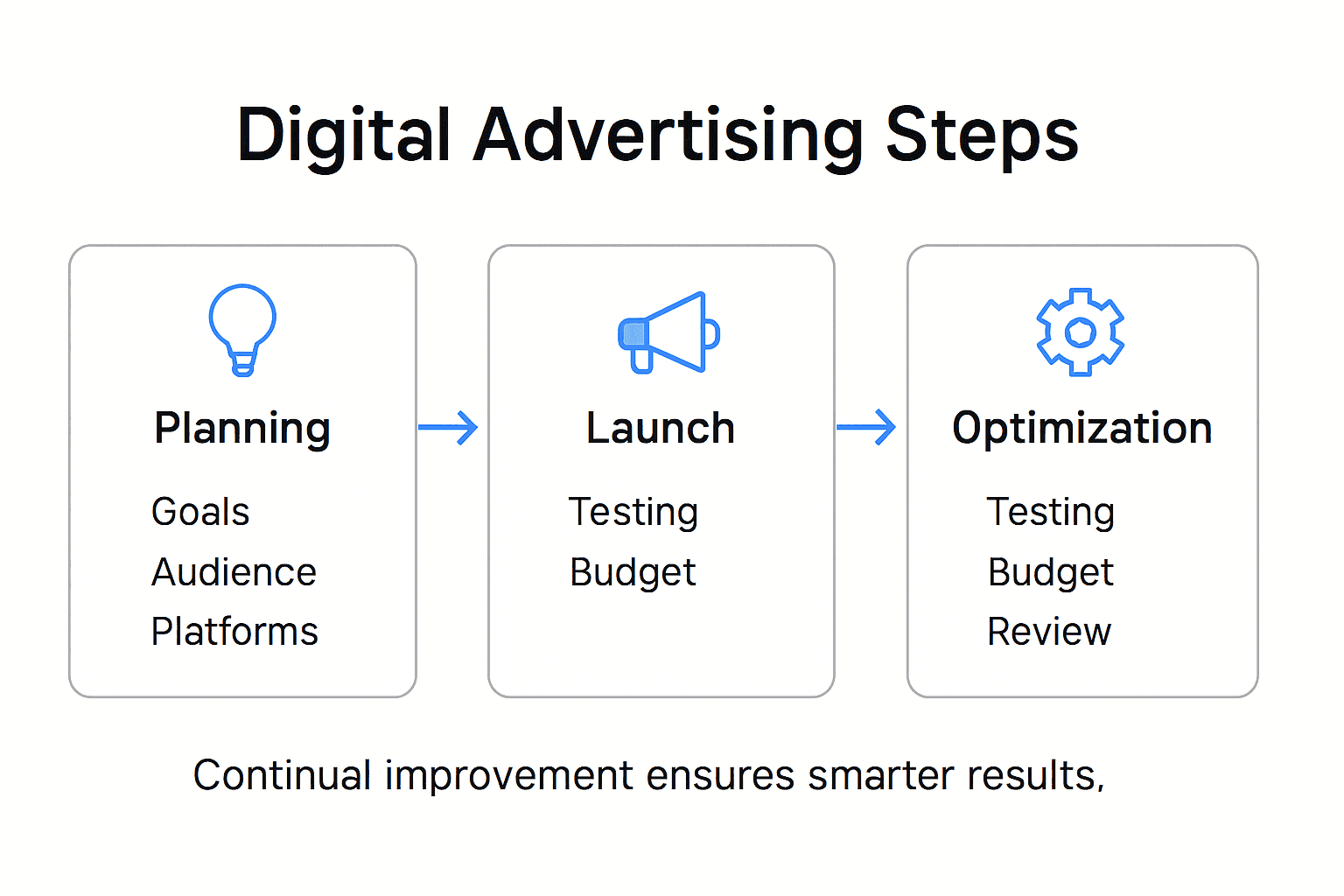
Marketing analytics strategies provide the foundation for systematic campaign optimization. Begin by establishing clear key performance indicators that directly align with your business objectives. Set up comprehensive tracking across all advertising platforms, ensuring you capture granular data about audience interactions, conversion rates, and engagement metrics. Implement rigorous A/B testing protocols to compare different creative approaches, targeting strategies, and messaging variations. Each test reveals valuable information about what resonates most with your target audience.
Analyze your performance data with a critical eye. Advertising plan development requires a disciplined approach to interpreting results. Look beyond surface-level metrics to understand the deeper patterns in your campaign performance. Pay attention to shifts in audience behavior, emerging trends, and unexpected performance variations. Use these insights to make incremental adjustments to your targeting, creative elements, and budget allocation. Remember that optimization is an ongoing process a continuous cycle of measurement, learning, and refinement.
Pro tip: Create a standardized performance review template that captures key metrics, insights, and recommended actions to streamline your optimization process and maintain consistent improvement.
Here’s a summary of key AI-powered digital advertising steps and their strategic benefits:
| Step | Main Action | Strategic Benefit |
|---|---|---|
| 1 | Define goals and audiences | Maximizes campaign focus |
| 2 | Set up AI campaign tools | Streamlines ad management |
| 3 | Generate AI ad creatives | Boosts audience engagement |
| 4 | Automate targeting and budget | Optimizes ad spend return |
| 5 | Test and optimize performance | Ensures continual growth |
Unlock Smarter Digital Advertising with AI Automation
If you are striving to master your digital advertising strategy by clearly defining your business goals, streamlining campaign management, and optimizing ad creatives and budgets automatically you understand the challenges highlighted in the “Digital Advertising Strategy Guide for Smarter Campaign Results”. Many businesses wrestle with targeting the right audiences precisely generating high-impact ads and continuously optimizing campaigns to boost ROI without wasting time or resources.
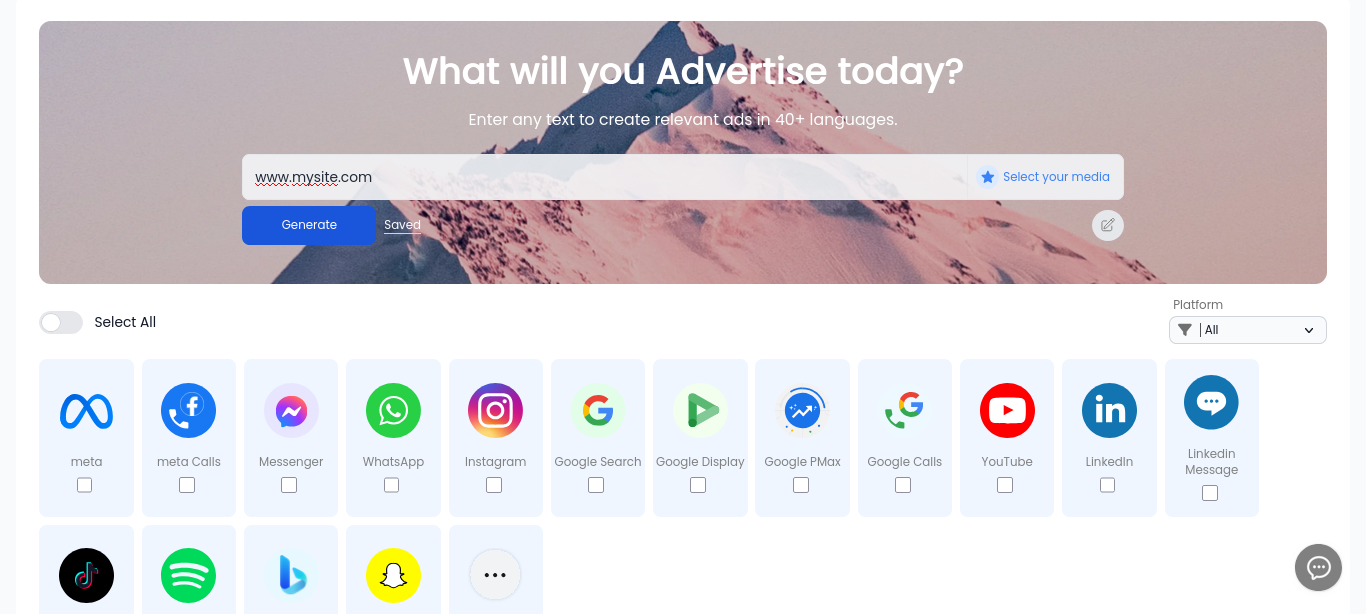
Rekla.ai directly addresses these pain points by offering an AI-powered advertising automation platform that simplifies every step of your multi-channel campaign journey. From creating personalized AI ad creatives to automating audience targeting and budget allocation Rekla.ai leverages cutting-edge OpenAI and GPT technologies to reduce your costs increase your click-through rates and deliver smarter campaigns with less effort. The platform’s intuitive interface and comprehensive campaign analytics empower small-to-medium-sized businesses and digital marketers to launch data-driven campaigns across over 15 platforms including Facebook Google and LinkedIn without prior expertise.
Experience firsthand how AI can transform your digital advertising strategies into consistent, scalable, and measurable growth. Explore how to align your marketing goals with AI-driven tools that handle complex targeting and real-time optimization at Rekla.ai. Discover the ease of launching sophisticated campaigns by visiting Rekla.ai today and start turning your digital advertising challenges into your biggest competitive advantage.
Ready to elevate your advertising performance and save valuable time try Rekla.ai now and harness the power of AI to execute smarter campaigns that grow your business faster.
Frequently Asked Questions
What are the key business goals to consider when creating a digital advertising strategy?
To create an effective digital advertising strategy, first, identify clear business goals such as revenue growth, brand awareness, or customer acquisition. Break down each goal into measurable targets, like aiming for a 20% increase in online sales within the next quarter.
How can I define my target audience effectively for my digital advertising campaigns?
Define your target audience by creating detailed profiles that include demographic information, online behaviors, and psychographic characteristics. Analyze their pain points and how your product or service addresses their needs, then use this information to tailor your messaging accordingly.
What tools can I use to automate my digital advertising campaigns?
Look for AI-driven platforms that integrate with popular advertising channels like Google Ads and Facebook. These tools help automate audience targeting and budget allocation, allowing for real-time optimizations to improve campaign performance.
How important is A/B testing in optimizing my digital advertising campaigns?
A/B testing is crucial for understanding which ad creatives and targeting strategies resonate best with your audience. Implement rigorous testing protocols to compare variations, aiming for better engagement rates; this can help you improve your campaign’s effectiveness by about 10-30% over time.
How should I monitor and adjust my digital advertising campaigns for continuous improvement?
Regularly review your campaign analytics to identify performance trends and audience behaviors. Set up weekly checkpoints to adjust targeting and budget allocation based on actual performance data, ensuring your strategy stays aligned with your business goals.
 English
 English (UK)
 Polski
 Deutsch
 Español
 Français
 Português
 Svenska
 Dansk
Dansk Nederlands