

Most American marketers notice that social media ad platforms now connect brands to billions of users worldwide. The surge in digital media spend presents both challenge and opportunity, especially since social media advertising is expanding at a global annual rate of 14 percent. For digital marketing managers aiming to lower costs and sharpen their campaign strategies, understanding each platform’s reach and targeting power has never been more vital.
Table of Contents
- 1. Understanding Social Media Ad Platforms And Their Reach
- 2. Leveraging Search Engine Advertising For High Intent Traffic
- 3. Exploring Video Ad Platforms For Engaging Storytelling
- 4. Using Audio Ad Platforms To Capture On-The-Go Audiences
- 5. Maximizing Display Networks For Broad Brand Awareness
- 6. Implementing Native Ad Platforms For Seamless Integration
- 7. Mastering Marketplace Ad Platforms For Product Promotion
Quick Summary
| Takeaway | Explanation |
|---|---|
| 1. Utilize precise targeting options | Modern social media platforms allow granular targeting by age, location, interests, and purchasing intentions, enhancing ad relevance. |
| 2. Optimize search engine ads for intent | Focus on users actively searching for products, leveraging keywords and compelling ad copy to increase conversions. |
| 3. Craft engaging video narratives | Storytelling in video ads can create emotional connections, improving audience engagement and brand perception. |
| 4. Develop authentic audio ad content | Audio ads should sound natural and integrated, avoiding overly promotional language to maintain listener trust. |
| 5. Create cohesive native ads | Design native ads that blend with platform content, providing real value and relevance to enhance user engagement. |
1. Understanding Social Media Ad Platforms and Their Reach
Social media ad platforms have transformed digital marketing strategies, offering unprecedented opportunities for e-commerce brands to connect with potential customers. These platforms represent more than just advertising channels – they are sophisticated ecosystems where businesses can precisely target audiences, build brand awareness, and drive conversions.
The global landscape of social media advertising has experienced remarkable growth, with social media advertising expanding at an annual rate of 14% worldwide. This explosive growth means marketers can now reach consumers through diverse platforms, each with unique audience demographics and engagement patterns.
Understanding the reach of social media ad platforms involves recognizing their complex targeting capabilities. Modern platforms provide granular targeting options including age, location, interests, online behaviors, and even specific purchasing intentions. This precision allows e-commerce marketers to craft hyper-relevant advertising experiences that speak directly to potential customers.
Each social media platform offers distinct advantages. Facebook provides extensive demographic targeting, Instagram excels in visual storytelling, LinkedIn connects with professional audiences, and TikTok captures younger, trend-driven consumers. Successful marketers learn to match platform characteristics with their specific brand and audience needs.
Key Considerations for Platform Selection:
- Audience demographics
- Content type and engagement style
- Cost per click and conversion rates
- Platform-specific advertising features
- Geographic and interest-based targeting options
Pro tip: Develop a cross platform strategy that leverages the unique strengths of multiple social media advertising channels to maximize your marketing reach and effectiveness.
2. Leveraging Search Engine Advertising for High Intent Traffic
Search engine advertising represents a powerful strategy for e-commerce marketers to capture potential customers precisely when they are most likely to make a purchase. By targeting users actively searching for specific products or services, businesses can maximize their advertising efficiency and conversion potential.
The strategic importance of search engine marketing (SEM) lies in its ability to connect brands with high intent traffic. Complementary roles of SEO and SEM demonstrate how paid advertising can significantly enhance brand visibility and customer acquisition strategies.
Search engine ads operate on a pay per click model, allowing marketers to bid on specific keywords that align with user search intentions. This approach enables precise targeting, where advertisers can reach consumers based on their immediate needs and search behaviors. Sophisticated keyword strategies help businesses optimize ad relevance and manage advertising costs effectively.
Key Components of Effective Search Engine Advertising:
- Precise keyword selection
- Compelling ad copy
- Relevant landing page design
- Strategic bid management
- Continuous performance tracking
Successful search engine advertising requires ongoing optimization. Marketers must continuously analyze performance metrics, adjust keyword strategies, and refine targeting to improve return on investment. Understanding user intent and creating highly relevant ad experiences are crucial for converting search traffic into actual sales.
Pro tip: Develop a dynamic keyword strategy that balances high volume search terms with specific long tail keywords to capture both broad and niche market segments.
3. Exploring Video Ad Platforms for Engaging Storytelling
Video ad platforms have revolutionized digital marketing by offering e-commerce brands powerful storytelling tools that capture audience attention through dynamic visual narratives. These platforms enable marketers to create immersive advertising experiences that go far beyond traditional static advertising methods.
Short-form video ads demonstrate remarkable user engagement through sophisticated combinations of visual and audio content. Modern platforms like TikTok, YouTube, and Instagram Reels provide unique opportunities for brands to craft compelling stories that resonate with target audiences.
Successful video advertising relies on understanding emotional engagement principles. Research confirms that narrative transportation can significantly enhance brand perceptions by creating multidimensional connections with viewers. This means your video ads should not just showcase products but tell authentic stories that evoke genuine emotional responses.
Key Strategies for Effective Video Ad Storytelling:
- Create narrative arcs with clear emotional journeys
- Utilize high visual complexity
- Optimize audio characteristics
- Focus on sensory and cognitive engagement
- Develop authentic brand messaging
E-commerce marketers must recognize that different video platforms serve unique audience segments. TikTok appeals to younger demographics with quick energetic content, while YouTube supports more in-depth storytelling. Understanding platform nuances allows for more targeted and effective video advertising strategies.
Pro tip: Design video ads with platform specific viewing behaviors in mind, creating content that matches each platform’s typical user engagement patterns and attention spans.
4. Using Audio Ad Platforms to Capture On-the-Go Audiences
Audio advertising has emerged as a powerful channel for reaching consumers during their most mobile moments. By leveraging digital platforms like podcasts, music streaming services, and digital radio, e-commerce marketers can connect with audiences precisely when they are most receptive.
Digital audio advertising generates significant audience engagement through immersive and contextually relevant messaging. These platforms offer unique opportunities to reach consumers while they are commuting, exercising, working, or performing other daily activities.
The strategic advantage of audio advertising lies in its ability to create personal connections. Research indicates that audio ads can generate 50% more attention per impression compared to traditional media channels. This heightened engagement stems from the intimate nature of audio content, which feels more like a recommendation from a trusted source rather than an intrusive advertisement.
Key Characteristics of Effective Audio Advertising:
- Precise audience targeting
- Contextually relevant messaging
- Short and compelling scripts
- Strategic programmatic buying
- Complementary multi channel approach
Successful audio ad strategies require understanding listener behaviors and preferences. Different platforms like Spotify, Pandora, and podcast networks attract distinct audience segments, necessitating tailored approaches for maximum impact. Marketers must craft narratives that feel natural and integrate seamlessly with listener experiences.
Pro tip: Develop audio ad scripts that sound conversational and authentic, avoiding overly promotional language to maintain listener trust and engagement.
5. Maximizing Display Networks for Broad Brand Awareness
Display networks represent a powerful digital advertising strategy that enables e-commerce marketers to expand brand visibility across millions of websites and applications. These expansive advertising platforms allow businesses to reach potential customers through visually engaging ad formats strategically placed across the internet.
Google Display Network offers extensive global reach through sophisticated contextual targeting and audience segmentation capabilities. By leveraging diverse ad formats like banners, images, and responsive display ads, marketers can create compelling visual experiences that capture audience attention across multiple digital touchpoints.
Successful display network advertising requires a nuanced approach that balances broad visibility with precise audience targeting. Unlike search ads that capture immediate purchase intent, display ads focus on building brand awareness and creating lasting impressions. This means crafting visually striking advertisements that communicate brand identity quickly and memorably.
Key Strategies for Display Network Success:
- Create visually compelling ad designs
- Utilize precise audience targeting
- Implement strategic retargeting campaigns
- Test multiple ad variations
- Monitor performance metrics carefully
Marketers should approach display network advertising as a long term brand building strategy. By carefully selecting placements, designing eye catching creatives, and continuously optimizing campaigns, businesses can transform display networks from simple advertising channels into powerful brand awareness engines.
Pro tip: Design display ads with a clear visual hierarchy that communicates your brand message within two seconds of viewer engagement.
6. Implementing Native Ad Platforms for Seamless Integration
Native advertising represents a sophisticated approach to digital marketing that allows brands to create advertisements which blend naturally with the surrounding content environment. These ads are designed to look and feel like an integral part of the platform where they appear, offering a less intrusive and more engaging user experience.
Native ads improve user engagement through contextual targeting by leveraging advanced programmatic technologies and AI driven placement strategies. Unlike traditional display advertisements that often interrupt user experiences, native ads aim to provide value and relevance within the user’s content consumption flow.
The core strength of native advertising lies in its ability to bypass traditional ad resistance mechanisms. By matching the visual design, tone, and format of the platform, these ads appear more like organic content recommendations than obvious commercial messages. This approach helps brands communicate more authentically and reduces the likelihood of users dismissing the advertisement.
Key Principles of Effective Native Advertising:
- Match platform aesthetic and style
- Provide genuine value to the audience
- Maintain transparent disclosure
- Create contextually relevant content
- Prioritize user experience
Successful native ad implementation requires careful strategic planning. Marketers must understand each platform’s unique characteristics, audience expectations, and content guidelines to create native advertisements that feel natural and compelling.
Pro tip: Develop native ads that offer genuine informational or entertainment value to users, transforming them from interruptions into welcomed content experiences.
7. Mastering Marketplace Ad Platforms for Product Promotion
Marketplace ad platforms represent a dynamic ecosystem where e-commerce brands can strategically position their products for maximum visibility and consumer engagement. These platforms offer unique opportunities to reach potential customers directly within environments where purchasing decisions are actively being made.
Cross platform targeted advertising strategies enable sellers to optimize product promotions by leveraging multiple channels and retargeting techniques. By understanding the nuanced approach to marketplace advertising, brands can significantly enhance their product visibility and conversion potential.
Effective marketplace ad platforms go beyond simple product listings. They incorporate sophisticated targeting mechanisms, allowing marketers to segment audiences based on behavior, preferences, and purchase history. This precision enables brands to create highly personalized promotional experiences that resonate with specific consumer groups.
Key Components of Successful Marketplace Advertising:
- Precise audience targeting
- Dynamic product positioning
- Compelling visual presentations
- Strategic price positioning
- Performance tracking and optimization
Understanding each marketplace platform’s unique algorithms and audience dynamics is crucial. Amazon, Etsy, eBay, and other digital marketplaces each have distinct promotional strategies and consumer behaviors that require tailored advertising approaches.
Pro tip: Create platform specific product narratives that align with each marketplace’s unique audience expectations and search behaviors.
Below is a comprehensive table summarizing advertising strategies across different digital platforms as discussed in the article.
| Advertising Platform | Key Features | Advantages |
|---|---|---|
| Social Media Ads | Granular audience targeting, platform diversity | Enhanced brand awareness, increased conversions |
| Search Engine Ads | Keyword-based targeting, Pay-Per-Click model | Capturing high-intent traffic, cost optimization |
| Video Ad Platforms | Visual narratives, emotional engagement | Higher viewer interaction, effective storytelling |
| Audio Ad Platforms | Contextual targeting, mobile audience reach | Personal connection, elevated attention rates |
| Display Networks | Global reach, visually engaging formats | Increased brand visibility, retargeting options |
| Native Ad Platforms | Seamless integration, platform alignment | Authentic advertising, reduced ad resistance |
| Marketplace Ads | Product promotion, behavioral targeting | Optimized visibility, personalized experiences |
Simplify Managing Multiple Ad Platforms with AI-Powered Automation
Navigating the complex world of social media, search engines, video, audio, display, native, and marketplace ad platforms is a challenge every e-commerce marketer faces. The article highlights key pain points like targeting precision, cross-platform campaign management, and maximizing ROI through tailored strategies. Rekla.AI addresses these challenges by providing an intuitive platform that automates ad creation, audience targeting, and real-time campaign optimization across over 15 major channels including Facebook, Google, TikTok, and Spotify.
With Rekla.AI you can:
- Generate AI-driven ad creatives that match platform-specific user behavior
- Target and retarget audiences with precision to increase conversions
- Manage cross-channel campaigns efficiently from a single dashboard
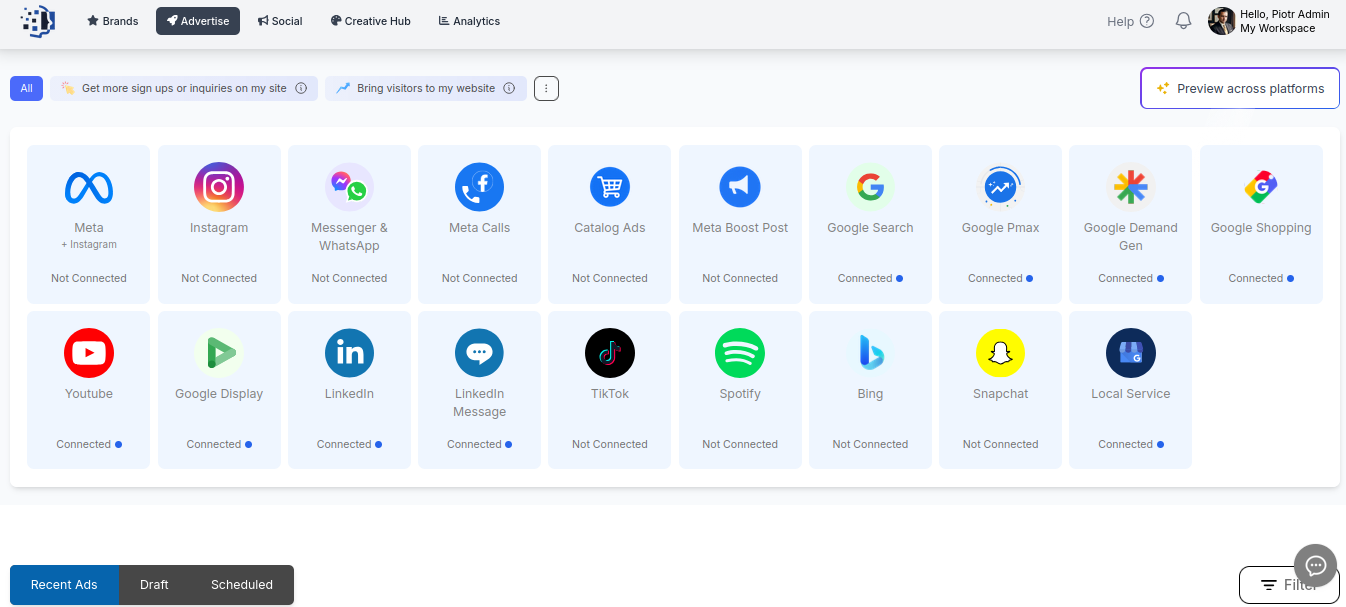
Take control of your digital advertising today by exploring how our AI technology transforms complex multi-platform campaigns into streamlined success stories. Discover smarter ad automation and unlock higher click-through rates at Rekla.AI and learn more about how to effortlessly boost your brand presence with AI-powered advertising automation. Start your journey now to conquer every ad platform effortlessly.
Frequently Asked Questions
What are the different types of ad platforms available for e-commerce marketers?
Social media ad platforms, search engine advertising, video ad platforms, audio ad platforms, display networks, native ad platforms, and marketplace ad platforms are the main types. Each platform offers unique features and targeting capabilities, so choose based on your audience and marketing goals.
How can I effectively target my audience using social media ad platforms?
Utilize the advanced targeting options available on social media platforms, such as demographics, interests, and online behaviors. Create campaigns that align with your specific audience traits and measure their performance to optimize conversions over time.
What strategies should I use for successful search engine advertising?
Implement precise keyword selection, compelling ad copy, and relevant landing pages to maximize your search engine advertising efforts. Track performance metrics continuously, and adjust your strategies for better return on investment.
How can video ad platforms enhance my storytelling in marketing?
Video ad platforms allow you to create engaging narratives that captivate your audience. Focus on crafting authentic stories and optimizing audio-visual elements to resonate with viewers, leading to higher engagement rates.
What are the benefits of using native ad platforms for my e-commerce brand?
Native ad platforms blend ads with surrounding content, making them less intrusive and more engaging for users. Prioritize authenticity and relevance in your native advertisements to improve user experience and boost engagement rates.
How can I track the success of my marketplace ad campaigns?
Use performance tracking tools to monitor key metrics such as click-through rates and conversion rates on marketplace ad platforms. Adjust your product positioning and targeting strategies based on this data to enhance visibility and sales over time.
 English
 English (UK)
 Polski
 Deutsch
 Español
 Français
 Português
 Svenska
 Dansk
Dansk Nederlands