

Managing multi-channel campaigns often means wrangling scattered data from platforms like Google, Meta, and TikTok while juggling tight resources. For American e-commerce brands aiming to drive real results, a unified data approach is more vital than ever. This guide reveals how using AI tools for smart goal-setting, cross-platform integration, and actionable data analysis can help your marketing team turn complex metrics into clear growth strategies.
Table of Contents
- Step 1: Define Campaign Goals And Analytics Requirements
- Step 2: Integrate Tracking Tools Across Ad Platforms
- Step 3: Collect Campaign Data For Actionable Insights
- Step 4: Analyze Cross-Platform Performance Metrics
- Step 5: Optimize Campaigns Using Ai-Driven Recommendations
- Step 6: Verify Improvements Through Testing And Reporting
Quick Summary
| Key Insight | Explanation |
|---|---|
| 1. Define clear campaign goals | Use the SMART framework to establish specific, measurable, and time-bound goals for your campaign objectives. |
| 2. Integrate effective tracking tools | Utilize cross-platform tracking solutions for unified data insights, enhancing overall performance analysis. |
| 3. Collect comprehensive data | Aggregate data from multiple sources to ensure meaningful insights that drive strategic marketing decisions. |
| 4. Analyze cross-platform performance | Standardize metrics for comparative analysis, identifying strengths across different advertising platforms. |
| 5. Utilize AI for optimization | Implement AI-driven strategies to refine targeting, content, and budget allocation, improving campaign performance. |
Step 1: Define campaign goals and analytics requirements
Successfully launching a digital marketing campaign starts with crystal-clear goal definition and precise analytics planning. Understanding your campaign’s objectives allows you to craft a strategic roadmap that drives meaningful business results.
To establish robust campaign goals, leverage the SMART framework for marketing objectives. This approach ensures your goals are Specific, Measurable, Actionable, Relevant, and Time-bound. Here are the key steps:
- Identify your primary business objective (sales, brand awareness, lead generation)
- Determine quantifiable metrics for success
- Set realistic and achievable targets
- Establish a clear timeline for goal achievement
When defining analytics requirements, select key performance indicators (KPIs) that directly align with your campaign goals. Critical KPIs might include:
- Conversion rate
- Click-through rate
- Cost per acquisition
- Return on ad spend
- Engagement metrics
Successful digital campaigns start with precise goal-setting and strategic analytics planning.
Pro tip: Regularly review and adjust your campaign goals based on initial performance data to optimize your marketing strategy.

Step 2: Integrate tracking tools across ad platforms
Successfully integrating tracking tools across multiple advertising platforms is crucial for gaining comprehensive insights into your digital marketing performance. Cross-platform ad tracking simplifies data consolidation by creating a unified view of your marketing efforts.
To effectively integrate tracking tools, follow these strategic steps:
- Identify all advertising platforms you currently use (Google Ads, Facebook, LinkedIn, TikTok)
- Research cross-platform tracking solutions that support multiple channels
- Evaluate tools based on:
- Data integration capabilities
- Real-time reporting features
- Compatibility with your existing marketing tech stack
- Cost-effectiveness
When selecting integration tools, prioritize solutions that offer:
- Automated data collection
- Server-side tracking
- Real-time performance insights
- Advanced attribution modeling
Effective cross-platform tracking transforms fragmented data into actionable marketing intelligence.
Pro tip: Choose tracking tools that provide seamless API connections and can normalize data across different advertising platforms to ensure accurate comparative analysis.
This table highlights the benefits of integrating tracking tools across multiple ad platforms:
| Advantage | Why It Matters | Outcome for Marketers |
|---|---|---|
| Unified data view | Reduces fragmented reporting | Easier cross-channel analysis |
| Real-time insights | Enables immediate optimizations | Faster strategy adjustment |
| Data normalization | Allows apples-to-apples comparison | More accurate decision-making |
| Advanced attribution | Clarifies channel contributions | Better budget allocation |
| Automated data collection | Minimizes manual effort | Saves time, reduces error |
Step 3: Collect campaign data for actionable insights
Gathering comprehensive campaign data is the cornerstone of developing powerful marketing strategies. Effective data collection transforms raw information into meaningful insights that drive business performance.
To collect robust campaign data, you’ll need to aggregate information from multiple sources:
- Website analytics platforms
- Social media engagement metrics
- Email marketing performance reports
- Advertising platform dashboards
- Customer relationship management (CRM) systems
Implement a systematic approach to data collection by following these critical steps:
- Identify all relevant data sources
- Set up automated data tracking across platforms
- Ensure consistent data collection methods
- Standardize data formatting
- Create a centralized data repository
When collecting data, focus on key performance indicators such as:
- Conversion rates
- Click-through rates
- Cost per acquisition
- Engagement metrics
- Return on ad spend
Raw data becomes powerful when transformed into strategic marketing intelligence.
Pro tip: Invest in robust data integration tools that can automatically normalize and consolidate data from multiple sources, saving you hours of manual compilation and reducing potential human error.
Step 4: Analyze cross-platform performance metrics
Dissecting your digital advertising performance requires a comprehensive approach to cross-platform performance analysis. Understanding how your campaigns perform across different platforms enables more strategic marketing decisions and resource allocation.
To effectively analyze cross-platform performance metrics, implement these critical evaluation techniques:
- Standardize comparison metrics across all platforms
- Use normalized performance indicators
- Calculate relative performance ratios
- Identify platform-specific strengths and weaknesses
Key performance metrics to compare include:
- Conversion rates
- Cost per acquisition
- Click-through percentages
- Audience engagement levels
- Return on ad spend
When analyzing metrics, focus on these crucial dimensions:
- Total reach
- Engagement depth
- Audience demographic interactions
- Conversion efficiency
- Long-term campaign sustainability
Cross-platform analysis transforms isolated data points into strategic marketing intelligence.
Pro tip: Create a centralized dashboard that automatically aggregates and visualizes performance metrics from multiple platforms, allowing real-time comparative analysis and faster strategic pivots.
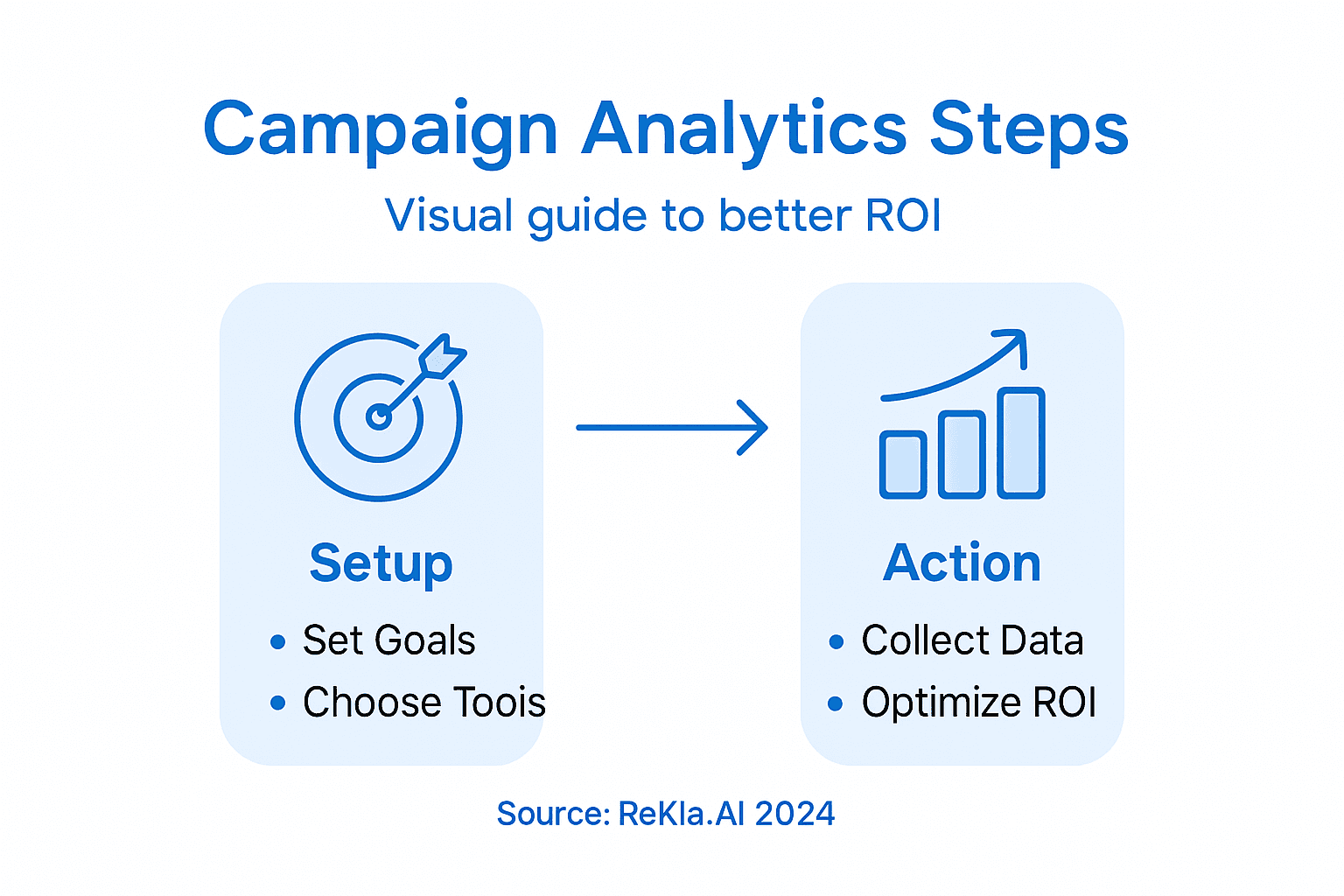
Step 5: Optimize campaigns using AI-driven recommendations
Harnessing the power of artificial intelligence can transform your digital marketing strategy through advanced optimization techniques. AI technologies provide unprecedented capabilities for refining your advertising campaigns and maximizing return on investment.
To effectively leverage AI-driven recommendations, implement these strategic approaches:
- Integrate machine learning algorithms
- Enable real-time performance tracking
- Utilize predictive analytics
- Automate content personalization
- Dynamically adjust campaign parameters
Key AI optimization strategies include:
- Audience segmentation refinement
- Personalized content generation
- Automated budget allocation
- Predictive targeting
- Performance trend forecasting
When applying AI recommendations, focus on these critical optimization dimensions:
Here is a summary of how AI optimization strategies impact key marketing goals:
| AI Optimization Strategy | Marketing Goal Impact | Practical Example |
|---|---|---|
| Audience segmentation | Increases targeting accuracy | Finding high-value customer groups |
| Content personalization | Boosts engagement rates | Dynamic product recommendations |
| Automated budget allocation | Improves cost efficiency | Shifting spend to top-performing ads |
| Predictive targeting | Enhances conversion rates | Targeting likely-to-convert users |
| Performance trend forecasting | Supports campaign scalability | Scaling up during peak demand |
- Engagement rate improvements
- Cost per acquisition reduction
- Conversion rate enhancement
- Audience targeting precision
- Campaign scalability
AI transforms marketing data into intelligent, actionable insights that drive superior campaign performance.
Pro tip: Configure your AI tools to provide granular, actionable recommendations by setting specific performance thresholds and continuously training the algorithms with your unique campaign data.
Step 6: Verify improvements through testing and reporting
Validating your digital marketing campaign’s performance requires a systematic approach to continuous quality assessment. Rigorous testing and comprehensive reporting ensure that your strategies are delivering measurable results.
Implement a structured verification process by following these key steps:
- Establish baseline performance metrics
- Design comparative testing protocols
- Create comprehensive reporting frameworks
- Track incremental improvements
- Validate statistical significance
Critical testing and reporting methods include:
- A/B split testing
- Multivariate experiments
- Statistical significance analysis
- Comparative performance benchmarking
- Trend and regression analysis
Key dimensions to evaluate in your testing approach:
- Campaign conversion rates
- Return on advertising spend
- Customer acquisition costs
- Audience engagement levels
- Long-term performance trends
Systematic testing transforms marketing data into actionable strategic insights.
Pro tip: Automate your reporting processes using integrated analytics dashboards that generate real-time performance insights and highlight statistically significant variations in campaign metrics.
Take Control of Your Digital Campaign Analytics with AI-Powered Precision
The article highlights the challenge of navigating complex digital marketing data across multiple platforms while aiming to boost ROI, optimize budgets, and improve campaign performance. If your business struggles with defining clear goals, integrating tracking tools, collecting comprehensive data, or making sense of cross-platform metrics, Rekla.AI offers the perfect solution. Our platform leverages AI-driven automation and real-time optimization to simplify ad creation, audience targeting, and multi-channel management so you can focus on growing your brand without the headache of manual data tracking or costly trial and error.
Whether you want to reduce advertising costs, increase click-through rates, or automate A/B testing and analytics, Rekla.AI makes advanced digital marketing accessible and efficient for small-to-medium-sized businesses and marketers. Experience the power of AI that’s designed to deliver smarter, scalable campaigns on over 15 platforms such as Facebook, Google, and TikTok.
Ready to transform how you analyze and optimize campaigns for higher returns? Discover how Rekla.AI can elevate your digital advertising strategy today.
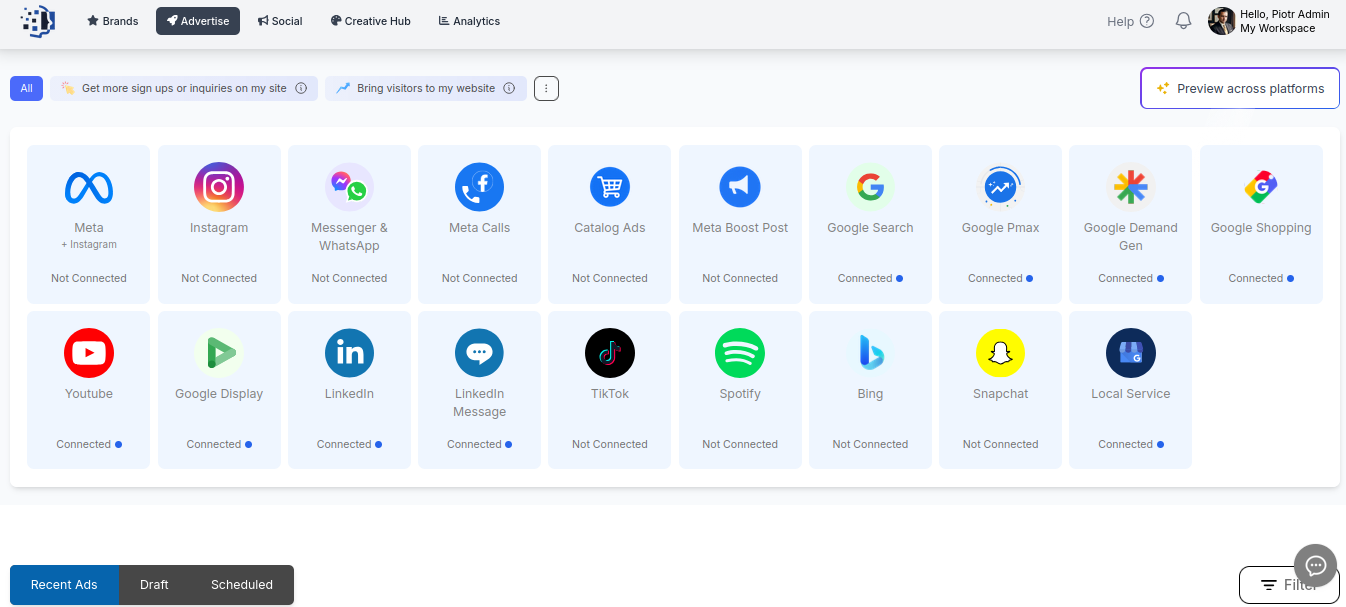
Start mastering your campaign analytics with AI assistance. Visit Rekla.AI now to explore features like AI-generated ad creatives and real-time multi-platform optimization that will save you time and money. Take action today to unlock smarter advertising and maximize your digital marketing ROI.
Frequently Asked Questions
How can I define my digital campaign goals effectively?
To define your digital campaign goals, utilize the SMART framework to establish specific, measurable, actionable, relevant, and time-bound objectives. For example, aim to increase sales by 15% within the next quarter to create a clear target.
What are key performance indicators (KPIs) I should track for my campaign?
Key performance indicators you should track include conversion rate, click-through rate, cost per acquisition, return on ad spend, and engagement metrics. Prioritize these metrics based on your specific campaign objectives to ensure focused analysis.
How do I integrate tracking tools across multiple advertising platforms?
Start by identifying the advertising platforms you currently use, then research cross-platform tracking solutions that fit your needs. Aim to choose tools that streamline data integration and provide real-time reporting features to enhance your campaign management.
What steps should I take to collect actionable campaign data?
To collect actionable campaign data, aggregate information from various sources like website analytics, social media metrics, and CRM systems. Set up automated data tracking and ensure standardization in data formatting for easier analysis and comparison.
How can I analyze cross-platform performance metrics effectively?
Analyze cross-platform performance metrics by standardizing comparison metrics and calculating relative performance ratios across all platforms. Create a centralized dashboard to visualize these metrics and allow for quick assessment of your campaigns’ effectiveness.
How can AI-driven recommendations optimize my campaigns?
Integrate AI-driven recommendations by utilizing machine learning algorithms for real-time performance tracking and predictive analytics. For instance, automatically adjust your budget allocation based on ongoing campaign performance to maximize ROI within the current marketing cycle.
 English
 English (UK)
 Polski
 Deutsch
 Español
 Français
 Português
 Svenska
 Dansk
Dansk Nederlands