
Managing digital ad budgets can feel like a constant balancing act when every click and impression comes with a cost. For marketing leaders aiming to cut wasted spend without sacrificing results, understanding real-time ad optimization is more important than ever. By harnessing Artificial Intelligence to make immediate adjustments based on live data, brands can achieve greater efficiency, smarter targeting, and stronger returns—no matter the market. This article will break down how dynamic, AI-powered strategies help you move beyond guesswork and drive campaigns that truly perform.
Inhaltsverzeichnis
- What Real-Time Ad Optimization Means
- How AI Powers Instant Ad Decisions
- Key Techniques: Automation, Targeting, A/B Testing
- Impact on Costs and Campaign Performance
- Häufige Fallstricke und wie man sie vermeidet
Wichtige Erkenntnisse
| Punkt | Details |
|---|---|
| Real-Time Ad Optimization | This approach leverages advanced technologies for immediate, data-driven decisions, enhancing advertising effectiveness. |
| AI’s Role | Artificial Intelligence powers instant ad decisions, improving targeting, content creation, and cost efficiency. |
| Core Techniques | Automation, precision targeting, and A/B testing are essential for effective real-time ad optimization. |
| Cost and Performance Impact | Businesses can reduce waste and improve ROI by leveraging data-driven strategies for budget allocation and campaign performance. |
What Real-Time Ad Optimization Means
Real-time ad optimization represents a revolutionary approach to digital advertising that transforms how businesses manage and deploy marketing campaigns. Unlike traditional static advertising strategies, this dynamic method leverages advanced technologies to adjust ad performance instantaneously.
At its core, real-time ad optimization is about making immediate, data-driven decisions that maximize advertising effectiveness. Systematic analysis of campaign performance allows marketers to continuously refine targeting, messaging, and resource allocation during the campaign lifecycle.
The key components of real-time ad optimization include:
- Continuous Performance Monitoring: Tracking ad metrics in actual time
- Instant Data Analysis: Processing consumer behavior and market trends immediately
- Automated Adjustment: Dynamically modifying ad targeting and creative elements
- Precision Targeting: Refining audience segments based on real-time insights
Artificial Intelligence (AI) has become the primary technological driver behind real-time ad optimization. AI technologies enable marketers to systematically enhance four critical advertising elements:
- Präzise Zielgruppenansprache
- Hyper-personalized content creation
- Dynamic ad placement optimization
- Immediate performance refinement
By implementing real-time optimization strategies, businesses can significantly reduce wasted ad spend while dramatically improving return on investment (ROI). The ability to make instantaneous, data-informed decisions transforms advertising from a static broadcast model to an interactive, responsive communication channel.
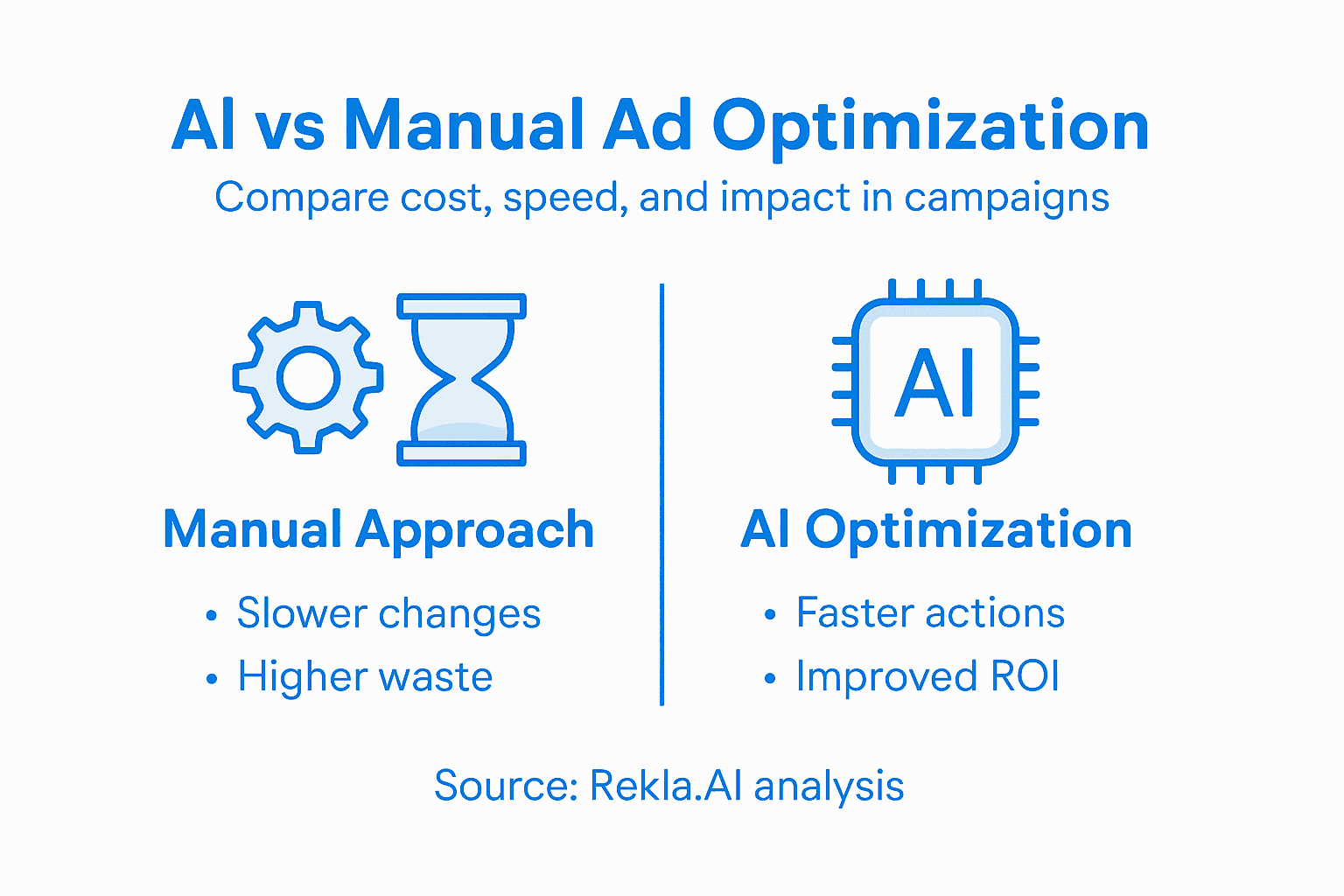
Below is a comparison of traditional advertising versus real-time AI-powered ad optimization:
| Ansatz | Decision Process | Kosteneffizienz | Anpassungsfähigkeit |
|---|---|---|---|
| Traditional | Manual & scheduled | Higher wasted spend | Slow to adjust |
| Real-Time AI-Based | Automated & instant | Lower, precise spend | Adjusts in milliseconds |
Profi-Tipp: Start small by implementing real-time optimization on one campaign channel and progressively expand your strategy as you gain confidence and insights.
How AI Powers Instant Ad Decisions
Artificial Intelligence has transformed digital advertising by enabling lightning-fast, data-driven decision-making processes that were impossible just a few years ago. Deep learning techniques analyze real-time auction data to predict optimal bid prices and select the most relevant ads for immediate display.
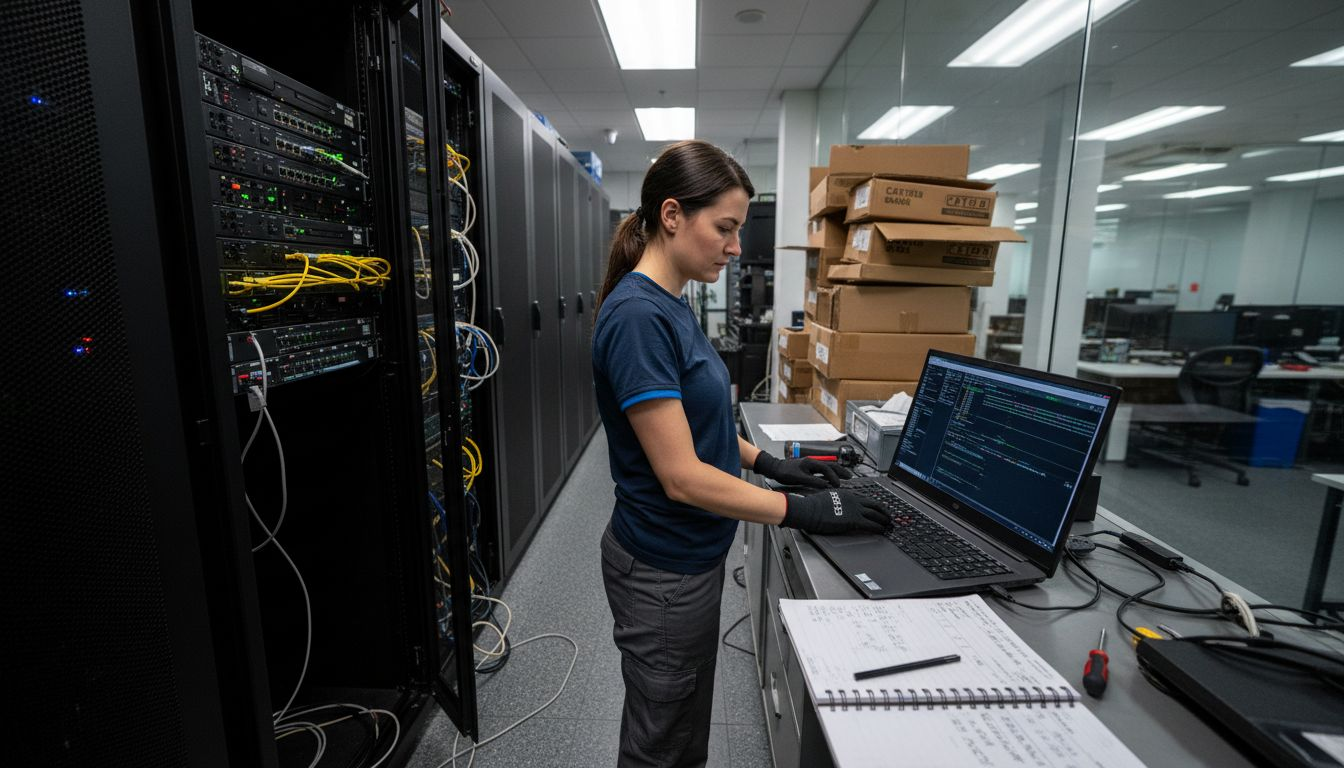
The core mechanism of AI-powered ad optimization involves sophisticated machine learning algorithms that process massive amounts of data in milliseconds. These algorithms continuously evaluate multiple variables such as user demographics, browsing history, engagement patterns, and current market conditions to make instantaneous advertising decisions.
Key capabilities of AI in powering instant ad decisions include:
- Prädiktive Modellierung: Forecasting ad performance before deployment
- Real-Time Bidding: Dynamically adjusting bid prices across digital platforms
- Audience Segmentation: Instantly categorizing potential viewers
- Performance Optimization: Automatically refining ad targeting
The technological infrastructure behind these instant decisions involves complex neural networks that can process and interpret data exponentially faster than human marketers. By leveraging machine learning algorithms, AI systems can make nuanced decisions about ad placements, formats, and budget allocations within microseconds.
These AI-driven systems significantly reduce human error and emotional decision-making, replacing subjective choices with statistically driven, objective strategies. The result is a more efficient, precise, and cost-effective approach to digital advertising that continuously learns and improves with each interaction.
Profi-Tipp: Start by implementing AI-driven ad optimization on a small, controlled campaign to understand its unique capabilities and gradually scale your approach.
Key Techniques: Automation, Targeting, A/B Testing
Programmatic ad buying and machine learning techniques have revolutionized digital advertising by introducing sophisticated methods for real-time campaign optimization. These powerful techniques transform how businesses approach marketing, enabling more intelligent and responsive advertising strategies.
The three core techniques driving modern ad optimization are automation, targeting, and A/B testing. Each plays a critical role in creating more efficient and effective advertising campaigns:
Automation Techniques:
- Automatic budget reallocation
- Real-time campaign adjustments
- Continuous performance monitoring
- Scheduled ad deployments
Targeting Capabilities:
- Demographic segmentation
- Behavioral tracking
- Interest-based targeting
- Predictive audience modeling
A/B Testing Strategies:
- Multivariate creative testing
- Instant performance comparison
- Statistical significance evaluation
- Rapid iteration of ad elements
By integrating AI-driven optimization frameworks, marketers can continuously refine their approaches. These systems learn from each interaction, dynamically adjusting strategies to improve campaign performance with unprecedented speed and precision.
The combination of automation, precise targeting, and rapid A/B testing creates a powerful ecosystem where advertising becomes increasingly intelligent. Machine learning algorithms analyze massive datasets, making split-second decisions that human marketers could never achieve manually.
Profi-Tipp: Start with small-scale experiments in each technique, measuring incremental improvements before scaling your optimization strategy across entire campaign portfolios.
Here is a summary of how automation, targeting, and A/B testing each enhance real-time ad optimization:
| Technique | Primary Benefit | Speed of Impact | Typischer Anwendungsfall |
|---|---|---|---|
| Automation | Reduces manual effort | Immediate | Budget and scheduling |
| Precision Targeting | Reaches ideal audiences | Continuous | Demographic refinement |
| A/B-Tests | Improves creative choices | Rapid feedback | Content experimentation |
Impact on Costs and Campaign Performance
Real-time ad optimization strategies dramatically reduce wasted marketing expenditure by enabling precise, data-driven budget allocation. Traditional advertising approaches often suffered from inefficient spending and limited performance tracking, but modern AI-powered techniques have fundamentally transformed how businesses approach digital marketing.
The key performance metrics dramatically improve through strategic optimization, with significant impacts across multiple dimensions:
Cost Reduction Strategies:
- Eliminating low-performing ad placements
- Dynamically adjusting budget allocation
- Minimizing unnecessary ad spend
- Preventing budget overruns
Performance Enhancement Metrics:
- Increased click-through rates
- Higher conversion percentages
- Improved audience engagement
- More precise targeting
By leveraging data-driven optimization models, marketers can achieve unprecedented levels of campaign efficiency. These intelligent systems continuously analyze performance data, making instantaneous adjustments that human managers could never execute manually.
The financial implications are profound. Businesses can expect significant reductions in advertising costs while simultaneously experiencing substantial improvements in campaign effectiveness. Machine learning algorithms enable a level of precision and adaptability that transforms digital advertising from a hit-or-miss strategy to a scientifically optimized process.
Profi-Tipp: Track your campaign’s cost per acquisition and conversion rates weekly, using AI insights to make incremental budget refinements that compound your performance improvements.
Häufige Fallstricke und wie man sie vermeidet
AI-powered ad optimization presents complex challenges that require strategic navigation. While artificial intelligence offers tremendous potential for digital advertising, marketers must remain vigilant about potential risks and limitations inherent in automated systems.
The most critical pitfalls in real-time ad optimization can be categorized into several key areas:
Algorithmic Bias Risks:
- Unintended demographic discrimination
- Skewed targeting parameters
- Limited audience representation
- Potential reinforcement of stereotypes
Data Management Challenges:
- Privacy compliance concerns
- Potential data security vulnerabilities
- Inconsistent data quality
- Unexpected algorithmic interpretations
By implementing robust decision-making frameworks, businesses can mitigate these risks effectively. Successful strategies involve maintaining human oversight, continuously validating AI models, and establishing clear ethical guidelines for automated advertising processes.
The key to avoiding these pitfalls lies in creating a balanced approach that combines technological innovation with human expertise. AI should be viewed as a powerful tool that augments human decision-making, not a complete replacement for strategic thinking and creative insight.
Profi-Tipp: Conduct monthly audits of your AI-driven ad optimization systems, reviewing performance metrics and checking for potential biases or unexpected behavioral patterns.
Unlock the Power of Real-Time AI Ad Optimization with Rekla.AI
The challenge of reducing wasted ad spend while boosting ROI through instant, data-driven decisions is at the heart of Real-Time Ad Optimization. If you are looking to overcome obstacles like slow manual adjustments, ineffective targeting, and complex multi-platform management, Rekla.AI offers the perfect solution. Our platform harnesses the same AI-powered instant optimization techniques featured in the article to automate campaign adjustments, generate hyper-personalized creatives, and precisely target your ideal audience across over 15 advertising platforms.
By using Rekla.AI, marketers gain real-time budget control, automated A/B testing capabilitiesund advanced audience segmentation designed to improve click-through rates and conversion performance swiftly. With an intuitive interface tailored to small-to-medium-sized businesses and digital marketers, Rekla.AI bridges the gap between complex AI technology and practical campaign success.
Experience how real-time AI-driven decisions transform your advertising strategy today.
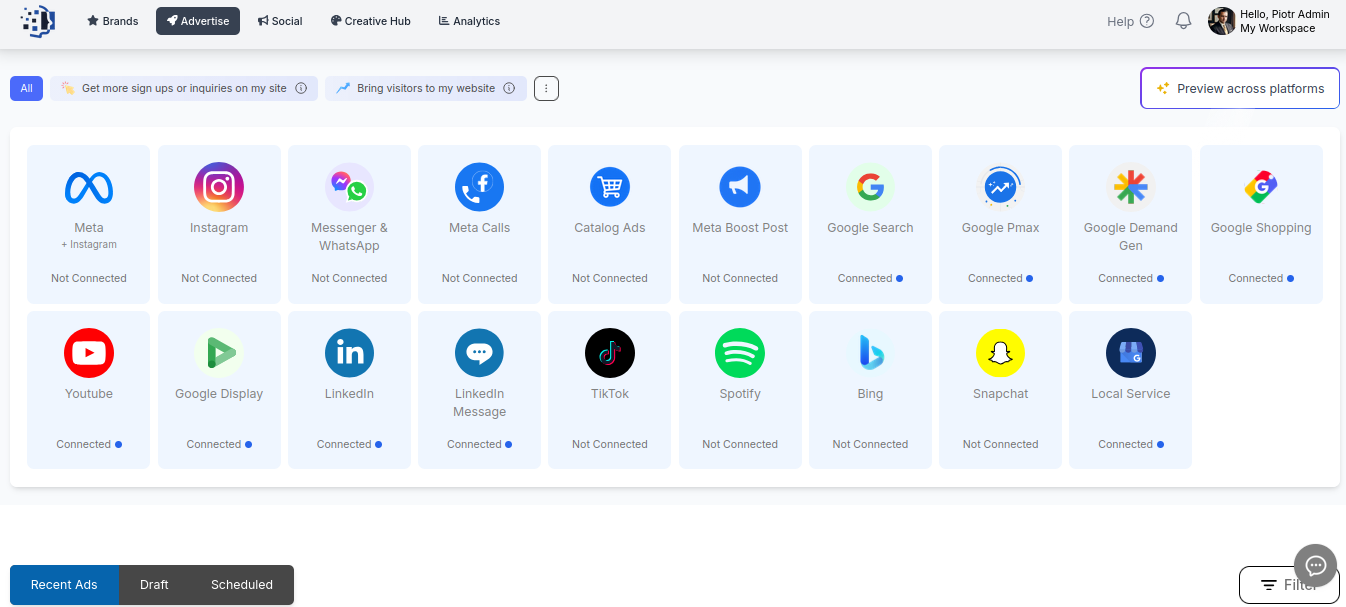
Ready to maximize your advertising impact with smart automation and seamless multi-channel management? Discover how Rekla.AI can simplify and supercharge your campaigns at https://www.rekla.ai/. Explore AI ad generation, precise audience targeting, and real-time optimization now by visiting Rekla.AI platform. Take control of your digital advertising future with the innovative tools you need at Rekla.AI.
Häufig gestellte Fragen
What is real-time ad optimization?
Real-time ad optimization is a dynamic advertising strategy that involves making immediate, data-driven decisions to enhance the performance of marketing campaigns. It uses advanced technologies and analytics to continuously refine targeting, messaging, and resource allocation.
How does AI enhance real-time ad optimization?
AI enhances real-time ad optimization through advanced machine learning algorithms that analyze vast amounts of data in real time. This allows for predictive modeling, instant audience segmentation, and automated ad adjustments, leading to improved targeting and performance.
What are the main benefits of using real-time ad optimization?
The main benefits include reduced wasted ad spend, improved return on investment (ROI), higher engagement rates, and the ability to make immediate adjustments based on performance metrics, resulting in more effective advertising campaigns.
What common challenges should I be aware of when implementing AI in ad optimization?
Common challenges include algorithmic bias, data management issues, and the need for human oversight. It’s essential to regularly audit AI systems to identify potential biases and ensure compliance with data regulations.
 English
 English (UK)
 Polski
 Deutsch
 Español
 Français
 Português
 Svenska
 Dansk
Dansk Nederlands