
Over 60 percent of American e-commerce companies face rising digital ad costs every year. For digital marketing managers, this challenge means constantly searching for smarter ways to maximize campaigns and keep spending under control. Understanding the key principles of digital ad optimization empowers you to refine targeting, improve creative results, and leverage AI for real-time decisions that save money and grow results globally.
Table of Contents
- Digital Ad Optimization—Key Principles
- Types of Optimization for Ad Campaigns
- How AI Powers Real-Time Optimization
- Critical Metrics and Budget Efficiency
- Risks, Costs, and Common Mistakes
Key Takeaways
| Point | Details |
|---|---|
| Data-Driven Optimization | Leveraging data analytics and performance metrics is essential for maximizing the effectiveness of digital advertising campaigns. Regularly analyze ROI to refine strategies. |
| AI-Powered Techniques | Implementing AI systems can enhance real-time campaign adjustments, improving audience targeting and bidding strategies. Continuously monitor for optimal results. |
| Comprehensive Metrics Tracking | Establishing a dashboard to track key performance indicators is crucial for understanding campaign dynamics and identifying areas for improvement. |
| Awareness of Risks | Stay vigilant about the potential pitfalls in digital advertising optimization, such as over-reliance on automation and data quality issues, and institute regular audits to mitigate them. |
Digital Ad Optimization—Key Principles
Digital ad optimization represents a strategic approach to maximizing advertising performance through data-driven decision making and continuous refinement. At its core, this process involves analyzing campaign metrics, understanding audience behaviors, and systematically adjusting advertising parameters to improve return on investment (ROI). Marketers leveraging advanced optimization techniques can significantly enhance their advertising effectiveness by understanding the intricate emotional, cognitive, and behavioral processes that drive consumer engagement.
The fundamental principles of digital ad optimization revolve around several key strategies. First, comprehensive audience targeting becomes critical – identifying precise demographic segments, interests, and behavioral patterns that align with product offerings. Second, continuous performance monitoring allows marketers to track critical metrics like click-through rates, conversion rates, and cost per acquisition. Third, implementing dynamic ad variations enables testing different creative approaches, messaging, and visual designs to determine what resonates most effectively with target audiences.
Technical optimization involves sophisticated techniques such as machine learning algorithms that can automatically adjust bidding strategies, audience targeting, and ad placements in real time. These advanced approaches help digital marketers move beyond traditional static advertising models by creating adaptive campaigns that respond dynamically to changing market conditions. Data-driven campaign performance improvement requires marketers to embrace analytical tools and maintain a flexible, experimental mindset.
Pro tip: Implement a consistent A/B testing schedule to systematically measure and improve your ad performance, allocating approximately 10-15% of your monthly ad budget specifically for experimental variations.
Types of Optimization for Ad Campaigns
Digital advertising optimization encompasses multiple sophisticated approaches designed to maximize campaign performance and return on investment. Optimization strategies range from discrete to continuous methods, each addressing specific marketing challenges and objectives. These techniques allow marketers to systematically refine advertising parameters, targeting mechanisms, and resource allocation to achieve more precise and effective campaign outcomes.
The primary types of ad campaign optimization include audience targeting optimization, creative optimization, bidding strategy optimization, and performance-based optimization. Audience targeting optimization focuses on precisely identifying and segmenting potential customer groups based on demographic, behavioral, and psychographic characteristics. Creative optimization involves testing and iterating different ad designs, messaging variations, and visual elements to determine which combinations generate the highest engagement rates. Bidding strategy optimization utilizes advanced algorithms to dynamically adjust bid prices across different platforms, ensuring maximum cost efficiency and potential conversion opportunities.

Promotion optimization techniques further extend these strategies by analyzing cross-item effects and implementing multi-dimensional approaches that consider complex interactions between various advertising parameters. Advanced marketers employ machine learning algorithms and predictive analytics to create adaptive optimization models that can automatically adjust campaign elements in real time, responding to emerging market trends and consumer behavior patterns.
Here is a concise summary of the primary types of ad campaign optimization and their unique contributions:
| Optimization Type | Main Focus | Key Benefit |
|---|---|---|
| Audience Targeting | Segmenting and targeting | Higher relevance, precision |
| Creative Optimization | Ad design and messaging | Greater audience engagement |
| Bidding Strategy | Dynamic bid adjustments | Improved cost efficiency |
| Performance-Based | Real-time metric responses | Maximized ROI |
| Promotion Optimization | Cross-item effects analysis | Enhanced campaign synergy |
Pro tip: Develop a comprehensive optimization dashboard that tracks at least five key performance indicators simultaneously, allowing for rapid identification of campaign strengths and potential improvement areas.
How AI Powers Real-Time Optimization
Artificial intelligence has revolutionized digital advertising by enabling unprecedented levels of real-time data evaluation and performance optimization. AI-powered systems continuously analyze campaign metrics, audience interactions, and market dynamics to make instantaneous adjustments that maximize advertising effectiveness. These intelligent algorithms process massive amounts of data in milliseconds, identifying patterns and opportunities that human marketers might overlook.
The core mechanism of AI-driven optimization involves sophisticated machine learning models that dynamically adapt advertising strategies. These models leverage historical performance data, current market conditions, and predictive analytics to make precise bidding decisions, audience targeting refinements, and creative adjustments. By continuously learning from each interaction, AI systems can predict potential campaign outcomes, automatically reallocate resources, and optimize ad delivery across multiple platforms with remarkable accuracy.
Machine learning models predict demand and optimize complex systems by analyzing intricate relationships between various performance variables. In digital advertising, this translates to advanced capabilities such as real-time bid optimization, audience segmentation refinement, and personalized ad content generation. AI can instantly adjust campaign parameters based on emerging trends, user engagement signals, and competitive landscape shifts, ensuring that advertising resources are deployed with maximum efficiency and minimal waste.
Pro tip: Configure your AI optimization tools to track at least three primary and two secondary performance metrics, enabling more nuanced and comprehensive campaign management.
Critical Metrics and Budget Efficiency
Digital advertising success hinges on understanding and strategically tracking critical performance indicators and budget allocation strategies. These metrics provide a comprehensive view of campaign effectiveness, enabling marketers to make data-driven decisions that maximize return on investment. Key performance indicators extend beyond simple click-through rates, encompassing complex measurements that reveal the true impact of advertising efforts across multiple dimensions.
The most crucial metrics for evaluating digital ad performance include return on ad spend (ROAS), cost per acquisition (CPA), conversion rates, audience engagement levels, and customer lifetime value. Each metric offers unique insights into campaign effectiveness, with ROAS providing a direct measure of financial performance and conversion rates indicating the quality of audience targeting and creative strategy. Advanced marketers develop holistic dashboards that integrate multiple metrics, creating a nuanced understanding of campaign dynamics beyond surface-level performance indicators.
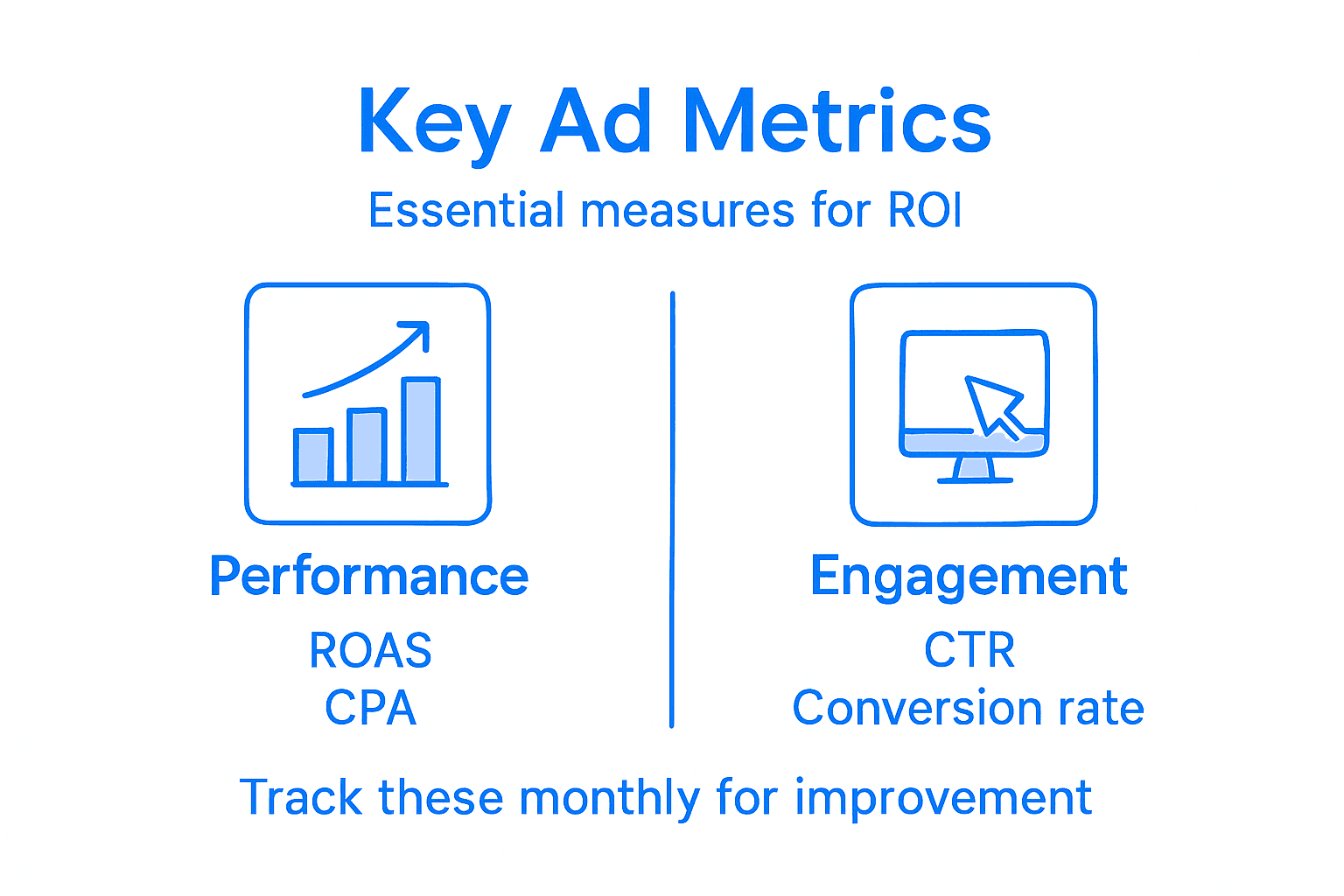
Budget pacing algorithms optimize digital advertising spend by dynamically adjusting resource allocation based on real-time performance data. These sophisticated systems balance immediate campaign goals with long-term efficiency, automatically redistributing budget across channels and targeting strategies to maximize overall return. By implementing intelligent budget management techniques, marketers can ensure that every advertising dollar is deployed with maximum strategic precision, minimizing waste and maximizing potential returns.
Pro tip: Create a monthly budget efficiency scorecard that tracks at least five key performance metrics, allowing for rapid identification and correction of underperforming campaign elements.
Risks, Costs, and Common Mistakes
Digital advertising optimization involves navigating a complex landscape of potential risks and performance challenges. Marketers must be acutely aware of the potential pitfalls that can undermine campaign effectiveness, including model mispredictions, inappropriate targeting, and inefficient resource allocation. Understanding these risks is crucial for developing robust strategies that minimize financial waste and maximize advertising potential.
The most significant risks in digital ad optimization stem from over-reliance on automated systems without adequate human oversight. Common mistakes include blindly trusting machine learning algorithms, neglecting data quality, and failing to continuously monitor and adjust campaign parameters. Marketers often fall into the trap of assuming that AI-driven optimization is entirely hands-off, when in reality, these systems require careful management and periodic strategic interventions to maintain performance and prevent potential errors.
AI system risks extend beyond technical performance, encompassing ethical considerations and potential unintended consequences. These risks include potential targeting biases, privacy concerns, and the inadvertent creation of echo chambers that limit audience reach. Sophisticated marketers must develop comprehensive frameworks that balance technological efficiency with ethical considerations, ensuring that optimization strategies remain both effective and responsible.
The table below contrasts common digital ad optimization risks with the strategies to mitigate them:
| Risk Area | Main Challenge | Mitigation Strategy |
|---|---|---|
| Over-Reliance on Automation | Blind trust in machine outputs | Maintain human oversight |
| Data Quality Issues | Incomplete or inaccurate data | Routine data integrity checks |
| Targeting Bias | Narrow or unfair segmentation | Use diverse data inputs |
| Resource Misallocation | Inefficient budget use | Frequent performance reviews |
| Privacy Concerns | Potential data misuse | Adhere to privacy regulations |
Pro tip: Implement a quarterly comprehensive audit of your digital advertising optimization strategy, critically examining both technical performance metrics and potential ethical implications of your targeting approaches.
Unlock the Full Potential of Digital Ad Optimization with Rekla.AI
The article highlights crucial challenges like maximizing ROI through precise audience targeting, real-time performance optimization, and intelligent budget management. If you are struggling with complex digital ad variables such as dynamic bidding strategies, A/B testing, or ensuring your ad creatives consistently engage your audience, these are the exact obstacles Rekla.AI is built to solve. Our platform uses advanced AI technology to automate these complex processes, empowering you to reduce advertising costs while increasing click-through rates effortlessly.
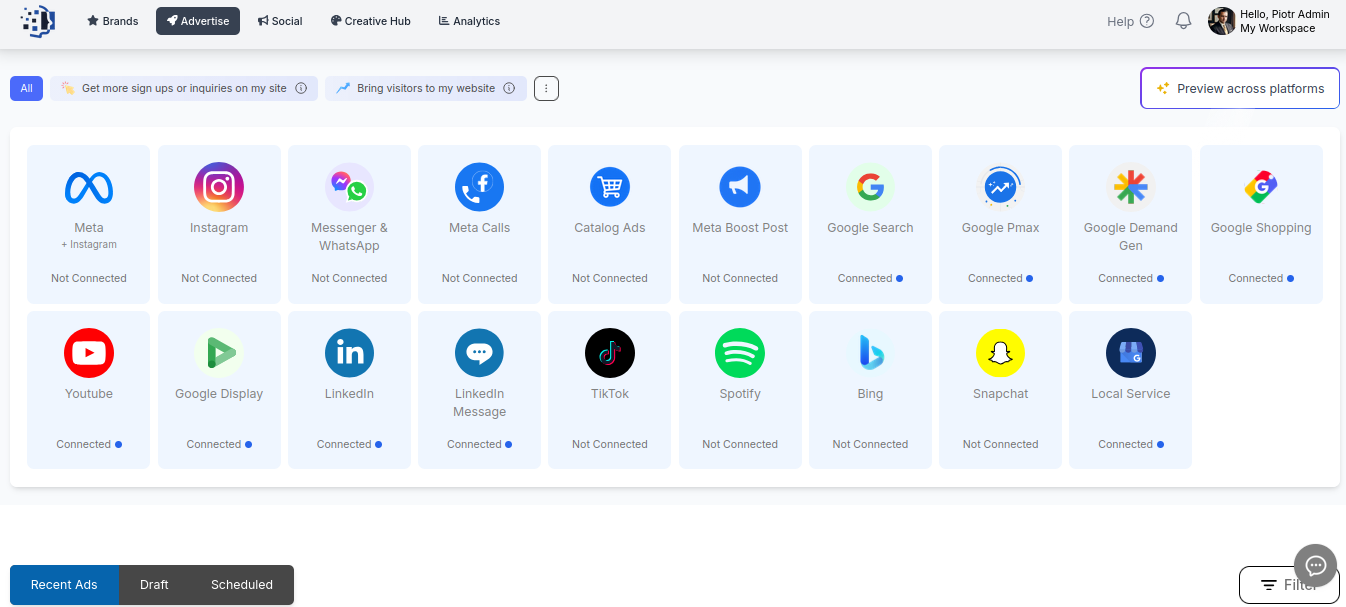
Take control of your digital campaigns today by leveraging Rekla.AI’s user-friendly, AI-powered automation. Benefit from smarter multi-platform ad deployment, real-time optimization, and deep performance analytics that align perfectly with the optimization principles and metrics discussed in the article. Explore how Rekla.AI makes sophisticated optimization accessible without requiring prior advertising expertise. Start optimizing your campaigns for maximum ROI now at Rekla.AI and transform your advertising strategy with AI-driven precision.
Frequently Asked Questions
What is digital ad optimization?
Digital ad optimization is a strategic approach to enhancing advertising performance by analyzing data, understanding audience behaviors, and continuously refining campaigns to maximize return on investment (ROI).
How does audience targeting impact ad performance?
Precise audience targeting improves ad relevance by segmenting potential customer groups based on demographic and behavioral characteristics, leading to higher engagement rates and increased ROI.
What are the key metrics to measure in digital ad optimization?
Key metrics include return on ad spend (ROAS), cost per acquisition (CPA), conversion rates, audience engagement levels, and customer lifetime value. These metrics help evaluate campaign effectiveness and optimize resource allocation.
How can AI enhance digital ad optimization?
AI enhances digital ad optimization by utilizing machine learning algorithms to analyze data in real time, making instantaneous adjustments to bidding strategies, audience targeting, and creative content based on user interactions and market dynamics.
 English
 English (UK)
 Polski
 Deutsch
 Español
 Français
 Português
 Svenska
 Dansk
Dansk Nederlands