

Every digital marketing manager knows the pressure of stretching an advertising budget across multiple platforms while aiming for a meaningful return. Strategic allocation of resources has become essential for small-to-medium e-commerce brands facing competition everywhere from Facebook and Instagram to Google Ads. This article explores ad spend optimization concepts, practical models for budget allocation, and actionable insights to help you maximize ROI and minimize unnecessary costs using proven data-driven strategies.
Inhaltsverzeichnis
- Defining Ad Spend Optimization Concepts
- Types of Ad Spend Across Platforms
- How AI and Data Improve Ad Spend
- Financial Impacts and ROI Benefits
- Risks of Poorly Managed Budgets
- Common Mistakes in Ad Spend Allocation
Wichtige Erkenntnisse
| Punkt | Details |
|---|---|
| Ad Spend Optimization | A systematic strategy that maximizes ROI through data-driven budget allocation across multiple marketing channels. |
| AI Integration | Leveraging AI enhances budget allocation and campaign optimization by providing real-time analytics and predictive modeling. |
| Performance Metrics | Continuous monitoring of metrics like CAC, ROAS, and conversion rates is essential for effective ad spend management. |
| Avoiding Budget Mistakes | Implementing flexible budgeting and regular performance reviews can prevent common pitfalls in ad spend allocation. |
Defining Ad Spend Optimization Concepts
Ad spend optimization is a systematic strategy for strategically allocating digital advertising budgets to maximize return on investment (ROI) across multiple marketing channels. At its core, this approach transforms advertising from a guesswork-driven expense into a precise, data-powered investment mechanism.
The fundamental principles of ad spend optimization involve strategic budget allocation using advanced mathematical models. Robust optimization approaches enable marketers to handle complex digital advertising uncertainties by leveraging linear programming techniques. These methods help businesses allocate resources more intelligently by considering multiple performance metrics simultaneously.
Key components of effective ad spend optimization include:
- Leistungsverfolgung: Monitoring click-through rates, conversion rates, and customer acquisition costs
- Multi-Platform Analysis: Evaluating advertising effectiveness across different digital channels
- Budget Redistribution: Dynamically shifting resources toward highest-performing campaigns
- Real-Time Optimization: Using machine learning algorithms to make instantaneous budget adjustments
Marketing teams can implement ad spend optimization through systematic processes that transform raw data into strategic insights. Mathematical optimization models provide frameworks for understanding how small budget adjustments can significantly impact overall campaign performance.
Profi-Tipp: Start by establishing clear performance benchmarks and tracking granular metrics across all advertising platforms to enable more precise budget allocation strategies.
Types of Ad Spend Across Platforms
Digital advertising requires strategic budget allocation across multiple platforms to maximize marketing effectiveness. Brands must carefully evaluate platform-specific performance when distributing advertising resources to ensure optimal return on investment.
The primary digital advertising platforms can be categorized into several key types:
- Social Media Platforms: Facebook, Instagram, TikTok, LinkedIn, Twitter
- Search Engine Advertising: Google Ads, Bing Ads
- Display Network Advertising: Google Display Network, Media.net
- Video Advertising: YouTube, Vimeo, streaming platform ads
- Programmatische Werbung: Automated ad buying across multiple networks
Each platform offers unique targeting capabilities and audience demographics, requiring marketers to develop nuanced strategies for budget allocation. Social media platforms like Instagram and TikTok typically appeal to younger audiences, while LinkedIn targets professional networks. Search engine advertising remains critical for capturing high-intent customers actively searching for specific products or services.
Here’s a summary of how major digital advertising platforms differ in audience and strategy focus:
| Platform Type | Typical Audience | Best Use Case |
|---|---|---|
| Social Media | Younger, social users | Brand engagement, awareness |
| Search Engine | High-intent shoppers | Direct response, lead capture |
| Netzwerke anzeigen | Broad internet users | Retargeting, broad reach |
| Video Advertising | Content consumers | Brand storytelling, tutorials |
| Programmatische Werbung | Segmented audiences | Automated, large-scale buys |
Successful ad spend strategies involve continuous performance monitoring and dynamic budget reallocation. Marketers must track key metrics such as click-through rates, conversion rates, and customer acquisition costs to optimize spending across different channels.
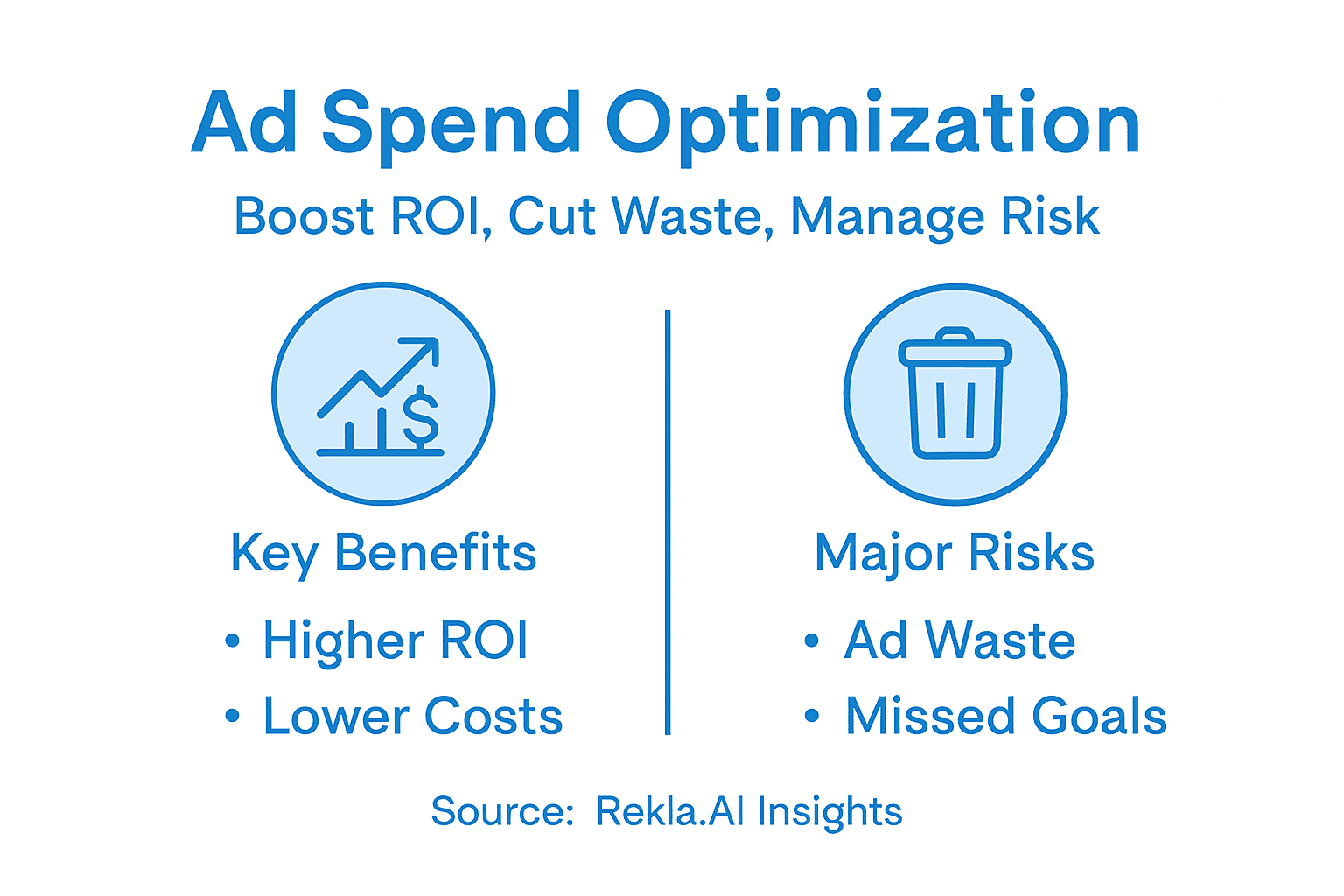
Profi-Tipp: Implement a quarterly review process to analyze platform-specific performance metrics and redistribute your advertising budget based on actual conversion data and audience engagement.
How AI and Data Improve Ad Spend
Artificial intelligence has revolutionized digital advertising by transforming how marketers approach budget allocation and campaign optimization. AI-powered analytics enable dynamic advertising strategies that continuously adapt to changing market conditions and customer behaviors.
The key advantages of AI in ad spend optimization include:
- Prädiktive Analytik: Forecasting campaign performance before full deployment
- Audience Segmentation: Creating hyper-targeted audience groups with precision
- Real-Time Budget Reallocation: Automatically shifting resources to high-performing channels
- Personalization: Generating custom ad content for specific user profiles
- Leistungsverfolgung: Providing granular insights into campaign effectiveness
Advanced machine learning algorithms can analyze massive datasets in seconds, identifying patterns and opportunities that human marketers might miss. Real-time campaign optimization techniques allow marketers to make instantaneous adjustments, reducing wasted ad spend and improving overall return on investment.
By leveraging artificial intelligence, digital marketers can move beyond traditional static advertising approaches. AI-driven tools can process complex data points, including user demographics, browsing history, engagement patterns, and conversion probabilities, to create more intelligent and efficient advertising strategies.
Profi-Tipp: Integrate AI-powered analytics tools that provide granular performance metrics and enable automated budget optimization across multiple advertising platforms.
Financial Impacts and ROI Benefits
Ad spend optimization is more than a strategy—it’s a financial imperative for businesses seeking measurable marketing returns. Mathematical models demonstrate significant ROI improvements through precise budget allocation and performance-driven spending techniques.
Key financial metrics for evaluating ad spend optimization include:
- Customer Acquisition Cost (CAC): Tracking expenses related to gaining new customers
- Return on Ad Spend (ROAS): Measuring revenue generated per advertising dollar
- Umrechnungskurs: Percentage of ad interactions resulting in desired actions
- Customer Lifetime Value (CLV): Total revenue expected from a customer relationship
- Marketing Efficiency Ratio: Comparing marketing expenses to generated revenue
Digital marketing ROI measurement techniques provide businesses with sophisticated tools to analyze campaign performance. By implementing data-driven approaches, companies can reduce unnecessary spending and redirect resources toward high-performing marketing channels.
Successful ad spend optimization can potentially reduce marketing costs by 20-30% while simultaneously improving overall campaign effectiveness. This approach transforms advertising from a cost center into a strategic revenue generation mechanism.

Compare key financial metrics used to measure ad spend effectiveness:
| Metrisch | Measures | Business Value |
|---|---|---|
| Customer Acquisition Cost | Cost per new customer | Controls budget efficiency |
| Return on Ad Spend | Revenue per ad dollar | Reveals profitability |
| Umrechnungskurs | % interactions yielding results | Gauges campaign quality |
| Customer Lifetime Value | Long-term customer revenue | Informs total ad investment levels |
| Marketing Efficiency Ratio | Expenses vs. revenue generated | Indicates overall marketing impact |
Profi-Tipp: Develop a comprehensive dashboard that tracks multiple financial metrics simultaneously, enabling real-time insights and rapid strategic adjustments.
Risks of Poorly Managed Budgets
Digital advertising carries significant financial risks when budgets are managed without strategic oversight. Ad fraud represents a massive threat to marketing investments, with billions of dollars potentially wasted through malicious activities.
Key risks of poorly managed advertising budgets include:
- Invalid Traffic: Fake clicks and bot interactions consuming ad spend
- Unverified Platforms: Advertising on low-quality or fraudulent networks
- Inconsistent Tracking: Inability to measure genuine campaign performance
- Algorithmic Vulnerabilities: Exploitation of targeting system weaknesses
- Competitive Intelligence Leakage: Exposing strategic information through unsecured channels
Invalid traffic analysis reveals substantial budget drainage across digital marketing ecosystems. Businesses can lose up to 30% of their advertising budget through undetected fraudulent interactions, significantly reducing overall marketing effectiveness.
Companies must implement robust monitoring systems to identify and mitigate these risks. Proactive fraud detection, rigorous platform vetting, and continuous performance analysis are essential for protecting advertising investments and maintaining marketing integrity.
Profi-Tipp: Implement comprehensive ad fraud detection tools and regularly audit your advertising spend to identify and eliminate potential sources of budget waste.
Common Mistakes in Ad Spend Allocation
Digital marketing requires precision, yet many businesses fall into predictable budgeting traps that drain resources and diminish campaign effectiveness. Common budgeting errors undermine marketing performance by creating inefficient and poorly targeted advertising strategies.
Frequent ad spend allocation mistakes include:
- Assumption-Based Budgeting: Relying on gut feelings instead of data
- Ignoring Customer Lifetime Value: Focusing solely on immediate conversions
- Inflexible Budget Allocation: Failing to adjust spending dynamically
- Neglecting Channel Performance: Continuing investments in underperforming platforms
- Inadequate Performance Tracking: Using incomplete or misleading metrics
Marketing budget planning requires systematic approach to prevent wasteful spending. Businesses often struggle with creating adaptable budgets that can quickly respond to changing market conditions and campaign performance.
Successful ad spend allocation demands continuous monitoring, periodic reviews, and a willingness to reallocate resources based on real-time performance data. Marketers must develop a holistic view of their advertising ecosystem, understanding that each dollar spent should contribute to measurable business objectives.
Profi-Tipp: Implement a quarterly budget review process that includes comprehensive performance analysis and data-driven reallocation strategies to maximize advertising efficiency.
Unlock Smarter Ad Spend Management with Rekla.AI
The article highlights the challenges businesses face in optimizing ad spend to boost ROI and cut unnecessary costs. If you struggle with dynamic budget allocation, accurate performance tracking, or real-time optimization across multiple platforms, you are not alone. Rekla.AI addresses these pain points by leveraging advanced AI technology to automate your ad campaigns, generate high-converting creatives, and precisely target audiences on platforms like Facebook, Google, TikTok, and more. Say goodbye to guesswork and wasted budgets with Rekla.AI’s data-driven, multi-channel approach.
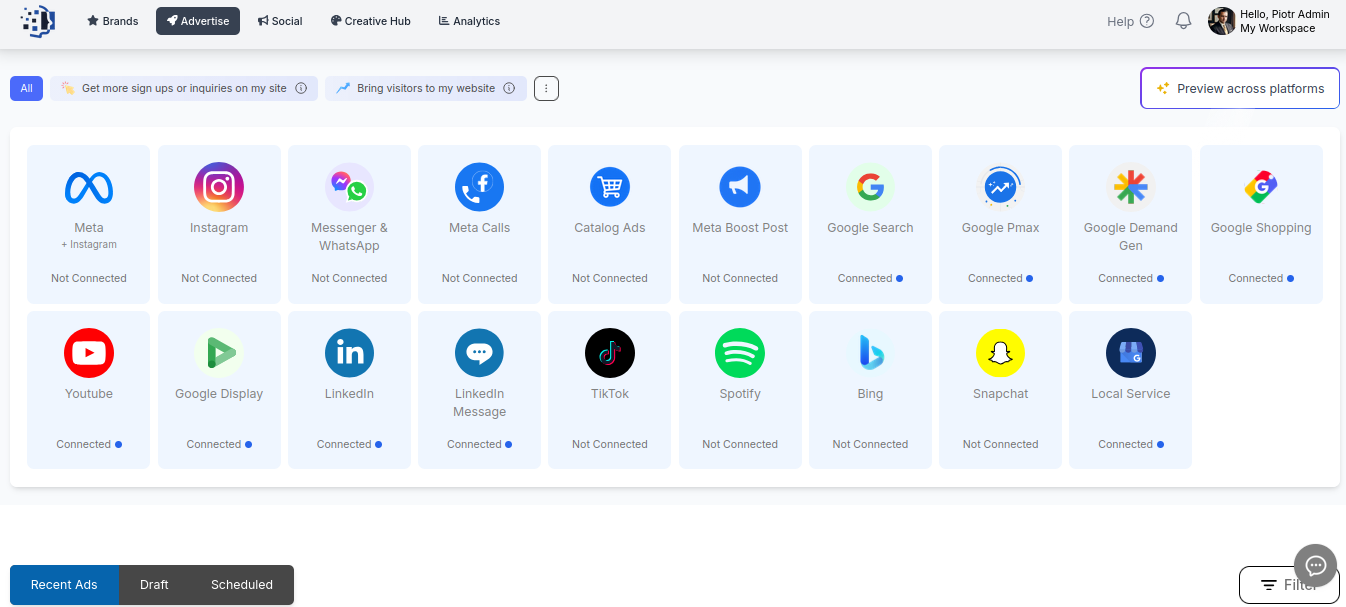
Take control of your advertising budget now by using an AI-driven platform designed for small to medium businesses and marketers who want measurable results. Visit Rekla.AI to explore how our AI ad generation, real-time optimization, and intuitive budget management can transform your marketing efforts into a powerful growth engine. Start optimizing your ad spend today and see why combining innovation with simplicity is the future of digital advertising.
Häufig gestellte Fragen
What is ad spend optimization?
Ad spend optimization is a strategic approach to efficiently allocate digital advertising budgets to improve return on investment (ROI) by leveraging data analysis and performance metrics.
Why is it important to optimize my advertising budget?
Optimizing your advertising budget is crucial because it maximizes ROI, reduces unnecessary spending, and enhances campaign effectiveness by ensuring resources are allocated to the most successful channels and strategies.
How can I measure the effectiveness of my ad spend?
You can measure the effectiveness of your ad spend by tracking key performance metrics such as Customer Acquisition Cost (CAC), Return on Ad Spend (ROAS), conversion rates, and overall marketing efficiency ratio to evaluate the financial impact of your campaigns.
What role does AI play in ad spend optimization?
AI improves ad spend optimization by providing predictive analytics, real-time budget reallocation, personalized content creation, and granular performance insights, allowing marketers to adapt campaigns swiftly to changing market conditions.
Empfohlen
- Die Optimierung digitaler Werbung definieren: Auswirkungen auf den ROI
- Die Optimierung digitaler Werbung definieren: Auswirkungen auf den ROI
- Warum Werbekampagnen optimieren: ROI und Ergebnisse steigern
- Warum Werbekampagnen optimieren: ROI und Ergebnisse steigern
- Why Invest in Design – Unlocking Business Growth – Lind Creative
- Local SEO Explained: Driving Growth for Small Businesses – $99 Local SEO
 English
 English (UK)
 Polski
 Deutsch
 Español
 Français
 Português
 Svenska
 Dansk
Dansk Nederlands