

Over 60 percent of American e-commerce companies face rising digital ad costs every year. For digital marketing managers, this challenge means constantly searching for smarter ways to maximize campaigns and keep spending under control. Understanding the key principles of digital ad optimization empowers you to refine targeting, improve creative results, and leverage AI for real-time decisions that save money and grow results globally.
Inhoudsopgave
- Digitale advertentieoptimalisatie - belangrijkste principes
- Soorten optimalisatie voor advertentiecampagnes
- Hoe AI realtime optimalisatie mogelijk maakt
- Kritische statistieken en budgetefficiëntie
- Risico's, kosten en veelgemaakte fouten
Belangrijkste conclusies
| Punt | Details |
|---|---|
| Datagestuurde optimalisatie | Het gebruik van gegevensanalyses en prestatiemetingen is essentieel voor het maximaliseren van de effectiviteit van digitale reclamecampagnes. Analyseer regelmatig de ROI om strategieën te verfijnen. |
| AI-gestuurde technieken | Het implementeren van AI-systemen kan realtime campagneaanpassingen verbeteren, waardoor de doelgroepgerichtheid en biedstrategieën worden verbeterd. Monitor continu voor optimale resultaten. |
| Uitgebreid bijhouden van statistieken | Het opzetten van een dashboard om de belangrijkste prestatie-indicatoren bij te houden is cruciaal voor het begrijpen van de campagnedynamiek en het identificeren van gebieden die voor verbetering vatbaar zijn. |
| Risicobewustzijn | Blijf waakzaam voor de mogelijke valkuilen bij het optimaliseren van digitale reclame, zoals te veel vertrouwen op automatisering en problemen met de gegevenskwaliteit, en voer regelmatig audits uit om deze te beperken. |
Digitale advertentieoptimalisatie - belangrijkste principes
Digital ad optimization represents a strategic approach to maximizing advertising performance through data-driven decision making and continuous refinement. At its core, this process involves analyzing campaign metrics, understanding audience behaviors, and systematically adjusting advertising parameters to improve return on investment (ROI). Marketers leveraging geavanceerde optimalisatietechnieken kunnen hun reclame-effectiviteit aanzienlijk verbeteren door inzicht te krijgen in de complexe emotionele, cognitieve en gedragsprocessen die de betrokkenheid van consumenten bepalen.
The fundamental principles of digital ad optimization revolve around several key strategies. First, comprehensive audience targeting becomes critical – identifying precise demographic segments, interests, and behavioral patterns that align with product offerings. Second, continuous performance monitoring allows marketers to track critical metrics like click-through rates, conversion rates, and cost per acquisition. Third, implementing dynamic ad variations enables testing different creative approaches, messaging, and visual designs to determine what resonates most effectively with target audiences.
Technical optimization involves sophisticated techniques such as machine learning algorithms that can automatically adjust bidding strategies, audience targeting, and ad placements in real time. These advanced approaches help digital marketers move beyond traditional static advertising models by creating adaptive campaigns that respond dynamically to changing market conditions. Datagestuurde verbetering van campagneprestaties vereist dat marketeers analytische tools omarmen en flexibel en experimenteel blijven denken.
Pro-tip: Implement a consistent A/B testing schedule to systematically measure and improve your ad performance, allocating approximately 10-15% of your monthly ad budget specifically for experimental variations.
Soorten optimalisatie voor advertentiecampagnes
Digitale advertentieoptimalisatie omvat meerdere geavanceerde benaderingen die zijn ontworpen om campagneprestaties en rendement op investering te maximaliseren. Optimalisatiestrategieën variëren van discrete tot continue methoden, each addressing specific marketing challenges and objectives. These techniques allow marketers to systematically refine advertising parameters, targeting mechanisms, and resource allocation to achieve more precise and effective campaign outcomes.
The primary types of ad campaign optimization include audience targeting optimization, creative optimization, bidding strategy optimization, and performance-based optimization. Audience targeting optimization focuses on precisely identifying and segmenting potential customer groups based on demographic, behavioral, and psychographic characteristics. Creative optimization involves testing and iterating different ad designs, messaging variations, and visual elements to determine which combinations generate the highest engagement rates. Bidding strategy optimization utilizes advanced algorithms to dynamically adjust bid prices across different platforms, ensuring maximum cost efficiency and potential conversion opportunities.

Promotie optimalisatie technieken further extend these strategies by analyzing cross-item effects and implementing multi-dimensional approaches that consider complex interactions between various advertising parameters. Advanced marketers employ machine learning algorithms and predictive analytics to create adaptive optimization models that can automatically adjust campaign elements in real time, responding to emerging market trends and consumer behavior patterns.
Hier volgt een beknopt overzicht van de primaire soorten advertentiecampagneoptimalisatie en hun unieke bijdragen:
| Optimalisatietype | Belangrijkste focus | Belangrijkste voordeel |
|---|---|---|
| Doelgroep | Segmenteren en targeten | Hogere relevantie, precisie |
| Creatieve optimalisatie | Advertentieontwerp en berichtgeving | Grotere betrokkenheid van het publiek |
| Biedstrategie | Dynamische bodaanpassingen | Verbeterde kostenefficiëntie |
| Prestatiegericht | Real-time metrische reacties | Maximale ROI |
| Promotie Optimalisatie | Cross-item effectenanalyse | Verbeterde campagnesynergie |
Pro-tip: Develop a comprehensive optimization dashboard that tracks at least five key performance indicators simultaneously, allowing for rapid identification of campaign strengths and potential improvement areas.
Hoe AI realtime optimalisatie mogelijk maakt
Kunstmatige intelligentie heeft een revolutie teweeggebracht in digitale reclame door ongekende niveaus van realtime gegevensevaluatie en prestatieoptimalisatie. AI-powered systems continuously analyze campaign metrics, audience interactions, and market dynamics to make instantaneous adjustments that maximize advertising effectiveness. These intelligent algorithms process massive amounts of data in milliseconds, identifying patterns and opportunities that human marketers might overlook.
The core mechanism of AI-driven optimization involves sophisticated machine learning models that dynamically adapt advertising strategies. These models leverage historical performance data, current market conditions, and predictive analytics to make precise bidding decisions, audience targeting refinements, and creative adjustments. By continuously learning from each interaction, AI systems can predict potential campaign outcomes, automatically reallocate resources, and optimize ad delivery across multiple platforms with remarkable accuracy.
Modellen voor machinaal leren voorspellen de vraag en optimaliseren complexe systemen by analyzing intricate relationships between various performance variables. In digital advertising, this translates to advanced capabilities such as real-time bid optimization, audience segmentation refinement, and personalized ad content generation. AI can instantly adjust campaign parameters based on emerging trends, user engagement signals, and competitive landscape shifts, ensuring that advertising resources are deployed with maximum efficiency and minimal waste.
Pro-tip: Configureer je AI-optimalisatietools om minstens drie primaire en twee secundaire prestatiecijfers bij te houden, zodat je campagnes genuanceerder en uitgebreider kunt beheren.
Kritische statistieken en budgetefficiëntie
Het succes van digitale reclame hangt af van het begrijpen en strategisch volgen van kritieke prestatie-indicatoren en strategieën voor budgettoewijzing. These metrics provide a comprehensive view of campaign effectiveness, enabling marketers to make data-driven decisions that maximize return on investment. Key performance indicators extend beyond simple click-through rates, encompassing complex measurements that reveal the true impact of advertising efforts across multiple dimensions.
The most crucial metrics for evaluating digital ad performance include return on ad spend (ROAS), cost per acquisition (CPA), conversion rates, audience engagement levels, and customer lifetime value. Each metric offers unique insights into campaign effectiveness, with ROAS providing a direct measure of financial performance and conversion rates indicating the quality of audience targeting and creative strategy. Advanced marketers develop holistic dashboards that integrate multiple metrics, creating a nuanced understanding of campaign dynamics beyond surface-level performance indicators.
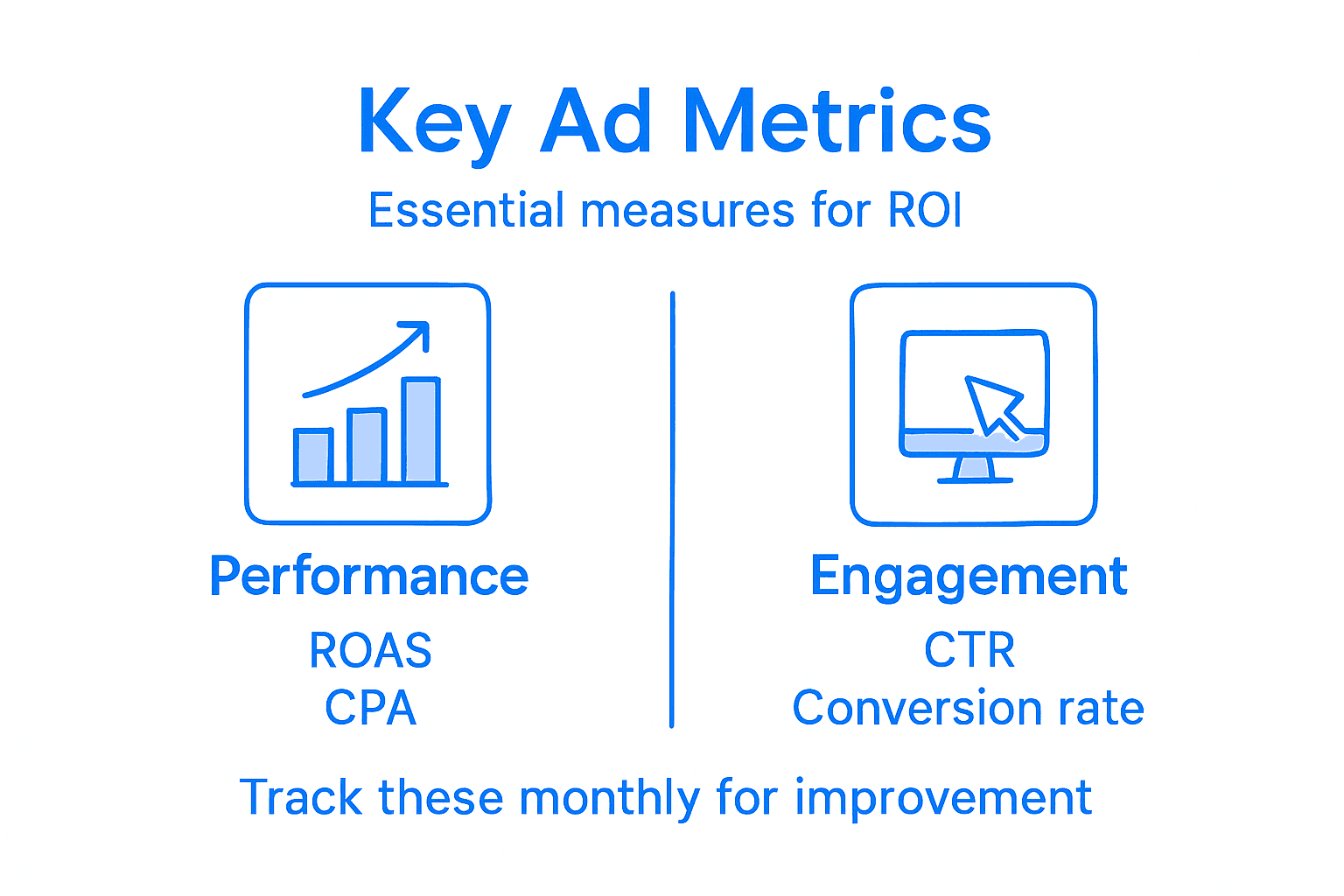
Budget pacing algoritmes optimaliseren digitale advertentie-uitgaven by dynamically adjusting resource allocation based on real-time performance data. These sophisticated systems balance immediate campaign goals with long-term efficiency, automatically redistributing budget across channels and targeting strategies to maximize overall return. By implementing intelligent budget management techniques, marketers can ensure that every advertising dollar is deployed with maximum strategic precision, minimizing waste and maximizing potential returns.
Pro-tip: Maak een maandelijkse scorecard voor budgetefficiëntie waarin ten minste vijf belangrijke prestatiecijfers worden bijgehouden, zodat slecht presterende campagne-elementen snel kunnen worden geïdentificeerd en gecorrigeerd.
Risico's, kosten en veelgemaakte fouten
Optimalisatie van digitale reclame houdt in dat u moet navigeren door een complex landschap van potentiële klanten. risico's en prestatie-uitdagingen. Marketers must be acutely aware of the potential pitfalls that can undermine campaign effectiveness, including model mispredictions, inappropriate targeting, and inefficient resource allocation. Understanding these risks is crucial for developing robust strategies that minimize financial waste and maximize advertising potential.
The most significant risks in digital ad optimization stem from over-reliance on automated systems without adequate human oversight. Common mistakes include blindly trusting machine learning algorithms, neglecting data quality, and failing to continuously monitor and adjust campaign parameters. Marketers often fall into the trap of assuming that AI-driven optimization is entirely hands-off, when in reality, these systems require careful management and periodic strategic interventions to maintain performance and prevent potential errors.
De risico's van AI-systemen reiken verder dan technische prestaties, encompassing ethical considerations and potential unintended consequences. These risks include potential targeting biases, privacy concerns, and the inadvertent creation of echo chambers that limit audience reach. Sophisticated marketers must develop comprehensive frameworks that balance technological efficiency with ethical considerations, ensuring that optimization strategies remain both effective and responsible.
In de onderstaande tabel worden veelvoorkomende risico's voor digitale advertentieoptimalisatie afgezet tegen de strategieën om ze te beperken:
| Risicogebied | Belangrijkste uitdaging | Mitigatiestrategie |
|---|---|---|
| Te veel vertrouwen in automatisering | Blind vertrouwen in machine-outputs | Menselijk toezicht behouden |
| Problemen met gegevenskwaliteit | Onvolledige of onjuiste gegevens | Routinematige controles van gegevensintegriteit |
| Targeting vooroordelen | Smalle of oneerlijke segmentatie | Diverse gegevensinvoer gebruiken |
| Verkeerde toewijzing van middelen | Inefficiënt gebruik van budgetten | Frequente prestatiebeoordelingen |
| Privacy | Potentieel misbruik van gegevens | Privacyregels naleven |
Pro-tip: Implement a quarterly comprehensive audit of your digital advertising optimization strategy, critically examining both technical performance metrics and potential ethical implications of your targeting approaches.
Benut het volledige potentieel van digitale advertentieoptimalisatie met Rekla.AI
The article highlights crucial challenges like maximizing ROI through precise audience targeting, real-time performance optimization, and intelligent budget management. If you are struggling with complex digital ad variables such as dynamic bidding strategies, A/B testing, or ensuring your ad creatives consistently engage your audience, these are the exact obstacles Rekla.AI is gebouwd om op te lossen. Ons platform maakt gebruik van geavanceerde AI-technologie om deze complexe processen te automatiseren, zodat je de advertentiekosten kunt verlagen en de doorklikratio's moeiteloos kunt verhogen.
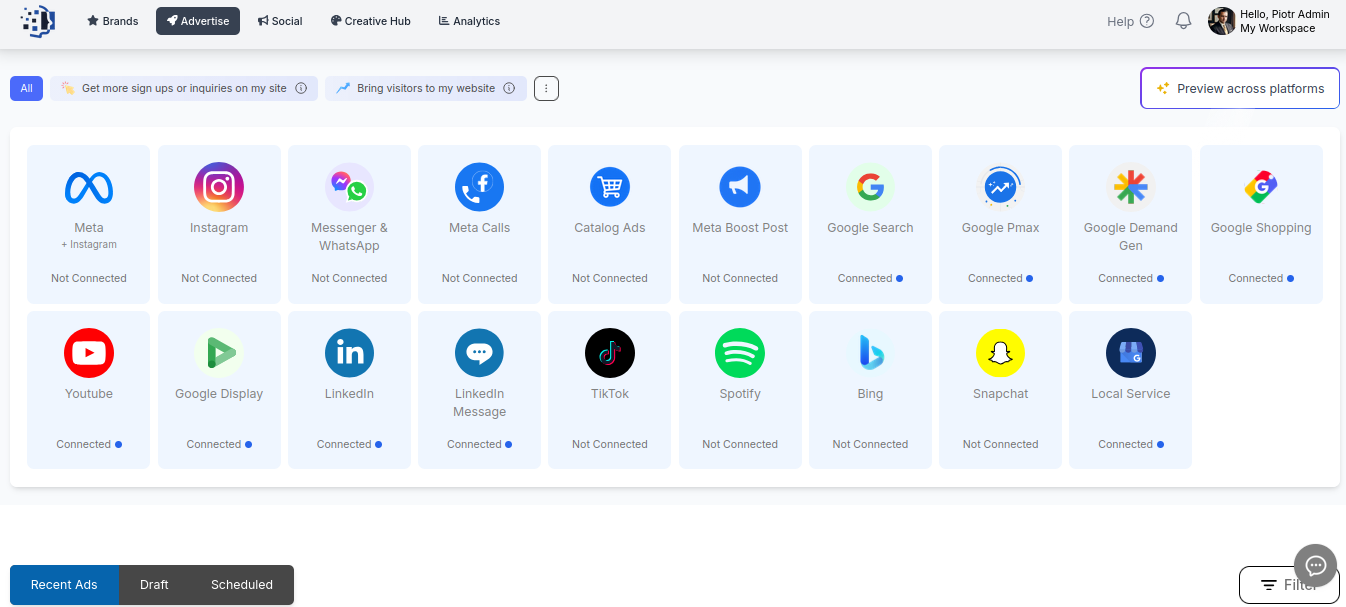
Neem vandaag nog de controle over uw digitale campagnes door gebruik te maken van Rekla.AI’s user-friendly, AI-powered automation. Benefit from smarter multi-platform ad deployment, real-time optimization, and deep performance analytics that align perfectly with the optimization principles and metrics discussed in the article. Explore how Rekla.AI maakt geavanceerde optimalisatie toegankelijk zonder dat je daarvoor eerst reclame-expertise nodig hebt. Begin nu met het optimaliseren van uw campagnes voor maximale ROI op Rekla.AI en transformeer je reclamestrategie met AI-gestuurde precisie.
Veelgestelde vragen
Wat is digitale advertentieoptimalisatie?
Digital ad optimization is a strategic approach to enhancing advertising performance by analyzing data, understanding audience behaviors, and continuously refining campaigns to maximize return on investment (ROI).
Hoe beïnvloedt doelgroepbenadering de advertentieprestaties?
Precieze doelgroepbenadering verbetert de advertentierelevantie door potentiële klantengroepen te segmenteren op basis van demografische en gedragskenmerken, wat leidt tot hogere engagementpercentages en een hogere ROI.
Wat zijn de belangrijkste meetcriteria voor digitale advertentieoptimalisatie?
Key metrics include return on ad spend (ROAS), cost per acquisition (CPA), conversion rates, audience engagement levels, and customer lifetime value. These metrics help evaluate campaign effectiveness and optimize resource allocation.
Hoe kan AI de optimalisatie van digitale advertenties verbeteren?
AI enhances digital ad optimization by utilizing machine learning algorithms to analyze data in real time, making instantaneous adjustments to bidding strategies, audience targeting, and creative content based on user interactions and market dynamics.
Aanbevolen
- Waarom advertentiecampagnes optimaliseren? Verhoog de ROI en resultaten
- Waarom advertentiecampagnes optimaliseren? Verhoog de ROI en resultaten
- Platformoverschrijdend advertentiebeheer: Efficiënt de ROI verhogen
- Platformoverschrijdend advertentiebeheer: Efficiënt de ROI verhogen
- Videostatistieken | Marketing Recepten
- Digitale marketingterminologie: Sleutelbegrippen voor KMO's
 English
 English (UK)
 Polski
 Deutsch
 Español
 Français
 Português
 Svenska
 Dansk
Dansk Nederlands