
Machine learning transforms digital advertising by automating complex targeting and bidding decisions that traditionally consumed hours of manual work. AI in SMB Marketing research reveals that machine learning can cut campaign management time by up to 60%, freeing SMB marketers to focus on strategic tasks. This guide explains what machine learning in digital advertising is, how it works, and how you can harness it to boost ROI while navigating common misconceptions and practical adoption steps.
Inhoudsopgave
- Introduction To Machine Learning In Digital Advertising
- How Machine Learning Enhances Targeting And Optimization
- Common Misconceptions About Ai In Digital Advertising
- Comparison: Traditional Vs Ai-Driven Ad Management
- Practical Benefits And Implementation For Smbs
- Unlock Smarter Digital Advertising With Rekla.Ai
- Veelgestelde vragen
Belangrijkste conclusies
| Punt | Details |
|---|---|
| Automated Optimization | Machine learning automates ad targeting and bidding to improve performance while reducing costs. |
| Human Oversight Essential | AI enhances campaigns but requires strategic human direction and weekly reviews. |
| Significant Time Savings | SMBs save 40 to 60% on campaign management time using AI powered tools. |
| Superior Scalability | AI driven ads adapt faster and scale better than traditional manual methods. |
| Quality Data Critical | Successful machine learning implementations depend on stepwise adoption and quality data inputs. |
Introduction to Machine Learning in Digital Advertising
Machine learning represents a subset of artificial intelligence that analyzes massive data sets to identify patterns and make predictive decisions without explicit programming. In digital advertising, machine learning uses multi-source data and automated AI platforms to execute smarter ad campaigns for SMBs by processing audience behavior, contextual signals, and performance metrics in real time.
For SMB marketers facing resource constraints, machine learning solves the impossible equation of managing multiple ad platforms while optimizing for constantly shifting market conditions. Traditional approaches required dedicated teams to monitor bids, test creatives, and adjust targeting parameters manually. AI powered platforms now handle these tasks automatically, learning from each impression to improve future decisions.
The AI advertising basics show how these systems work:
- Machine learning algorithms analyze historical campaign data to predict which audiences will respond best to specific ad creatives
- Automated bidding systems adjust spending in milliseconds based on conversion probability and competitive pressure
- Creative optimization engines test thousands of ad variations simultaneously to identify top performers
- Predictive models forecast campaign outcomes and recommend budget allocations across channels
This automation creates opportunities for SMBs to compete with larger advertisers who previously held advantages through dedicated analytics teams. You gain access to enterprise level optimization capabilities through platforms designed specifically for your budget and technical expertise. The result is more efficient spending, better targeting precision, and campaigns that improve continuously without constant manual intervention.
Machine learning also addresses the challenge of multi channel advertising coordination. Instead of managing Facebook, Google, TikTok, and LinkedIn campaigns separately, AI systems optimize across platforms to allocate budgets where performance potential is highest. This holistic approach delivers better overall ROI than platform by platform management.
How Machine Learning Enhances Targeting and Optimization
Machine learning revolutionizes three core advertising functions: audience targeting, bid management, and creative testing. Understanding these mechanisms helps you evaluate AI platforms and set realistic performance expectations.
Audience segmentation powered by machine learning analyzes behavioral data, demographic information, purchase history, and contextual signals to create precise targeting profiles. Forbes research shows that machine learning can improve ad targeting accuracy by up to 30%, resulting in higher click through rates. Instead of broad categories like age and location, AI identifies micro segments based on intent signals and predicted conversion probability.
Automated bid optimization follows this process:
- The system analyzes historical conversion data to calculate the value of each impression opportunity
- Machine learning models predict conversion likelihood based on user signals and context
- Algorithms adjust bids in real time to maximize conversions within your budget constraints
- Performance data feeds back into the model to improve future bidding decisions
- Budget automatically shifts toward high performing segments and away from underperformers
This real-time ad optimization happens continuously without human intervention, responding to market changes faster than manual management allows. When competitor activity increases costs in one channel, the system automatically reallocates budget to more efficient alternatives.

Creative testing operates through continuous experimentation. Machine learning platforms generate multiple ad variations, test them against live audiences, and identify winning combinations of headlines, images, and calls to action. The system learns which creative elements resonate with specific audience segments and automatically serves the most effective versions.
Budget allocation becomes dynamic rather than static. Traditional campaigns lock spending across channels at launch, requiring manual adjustments based on periodic performance reviews. Machine learning redistributes budgets hourly or daily based on real time performance signals, ensuring your spending always flows toward the highest ROI opportunities.
Pro Tip: Monitor model outputs weekly even with automated systems. Market conditions and business priorities change, so verify that AI decisions align with your current campaign goals and make strategic adjustments when needed.
These optimization capabilities directly translate to lower customer acquisition costs. By reducing ad costs with AI, you achieve better results with the same budget or maintain performance while cutting spending substantially.
Common Misconceptions About AI in Digital Advertising
Several myths about machine learning in advertising create unrealistic expectations or prevent beneficial adoption. Clearing up these misconceptions helps you approach AI tools with appropriate expectations and implementation strategies.
Myth 1: AI fully replaces human marketers. Machine learning automates tactical execution but cannot replace strategic thinking and business context. You still define campaign objectives, set budget parameters, choose target markets, and develop brand messaging. AI optimizes within the strategic framework you establish. According to Adweek experts, AI does not eliminate the need for human oversight, with weekly human review recommended to adapt campaigns effectively.
Myth 2: AI removes all manual campaign work. While automation dramatically reduces time spent on routine tasks like bid adjustments and performance monitoring, successful AI ad campaigns still require setup, strategy development, creative input, and ongoing evaluation. You trade tedious optimization work for higher value strategic activities.
Myth 3: AI overcomes all data privacy limits. Privacy regulations like GDPR and evolving platform policies restrict the personal data available for targeting. Machine learning works within these constraints but cannot magically access restricted information. This means AI targeting, while more efficient than manual methods, faces the same privacy boundaries affecting all digital advertising.
“The most successful AI advertising implementations balance automation with strategic human oversight. Marketers who view AI as a collaborative tool rather than a replacement consistently outperform those who expect fully autonomous campaign management.”
Understanding these realities positions you to leverage machine learning effectively. The goal is augmented intelligence where AI handles data processing and optimization while you focus on strategy, creative direction, and business alignment. This partnership model produces better results than either humans or machines working independently.
Another common misunderstanding involves implementation complexity. Many SMB marketers assume AI platforms require technical expertise or data science knowledge. Modern advertising automation tools are built for business users, offering intuitive interfaces that hide algorithmic complexity behind simple controls and clear recommendations.
Comparison: Traditional vs AI-Driven Ad Management
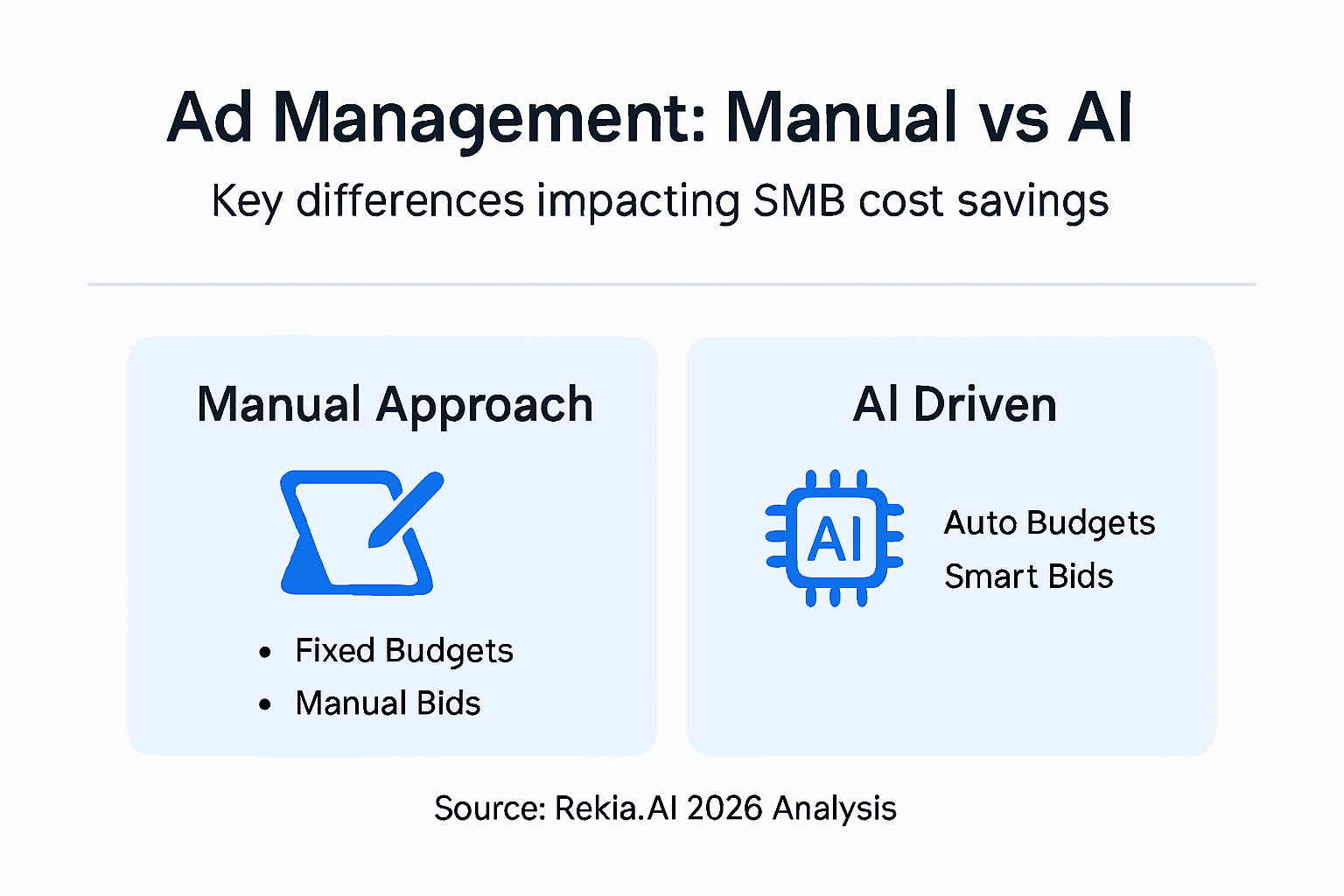
The differences between manual and machine learning approaches become clear when comparing them across key performance dimensions. This table illustrates why AI represents a practical advancement for SMB advertisers:
| Factor | Traditional Manual Management | AI Driven Machine Learning |
|---|---|---|
| Labor Requirements | High ongoing effort for monitoring, analysis, and adjustments | Minimal after initial setup and strategy definition |
| Adaptation Speed | Hours to days for manual optimization changes | Real time adjustments in milliseconds |
| Data Processing | Limited to what humans can analyze manually | Processes millions of data points simultaneously |
| Schaalbaarheid | Requires proportional staff increases | Handles increased complexity without added labor |
| Kostenefficiëntie | Higher management costs reduce net ROI | Automation reduces overhead and improves returns |
Traditional campaign management faces several fundamental limitations that constrain SMB advertising effectiveness:
- Manual bid adjustments happen periodically rather than continuously, missing optimization opportunities
- Human analysis covers limited data samples, potentially overlooking valuable patterns
- Multi platform coordination requires separate management processes for each channel
- Scaling campaigns demands proportional increases in management time and resources
- Response to market changes depends on human detection and manual implementation
AI driven ad management automates critical processes enabling faster, more accurate targeting and adjustments than traditional manual methods. The system never stops learning, continuously improving campaign performance based on incoming data. This creates a compounding advantage where AI managed campaigns improve faster over time compared to manually managed alternatives.
The efficiency gains translate directly to competitive advantages for SMBs. You can manage sophisticated multi channel campaigns that previously required agency support or dedicated in house teams. Budget flexibility increases because you can test new channels and audiences without proportional increases in management overhead.
Pro Tip: When evaluating AI advertising platforms, prioritize those offering multi channel automation and real time optimization capabilities. These features deliver the most significant efficiency improvements compared to traditional methods.
The digital ad optimization guide provides additional context on maximizing these advantages through strategic implementation.
Practical Benefits and Implementation for SMBs
Adopting machine learning in your advertising operations delivers tangible benefits that directly impact your bottom line and marketing efficiency:
- Time savings of 40 to 60% on campaign management tasks, letting you focus on strategy and creative development
- Cost reductions through automated bid optimization that eliminates overspending and improves cost per acquisition
- ROI improvements from continuous optimization that human managers cannot match in speed or scale
- Better audience insights generated from AI analysis of performance patterns across segments
- Scalability to manage more campaigns and channels without proportional resource increases
SMBs using AI powered ad platforms reduce campaign management time by 40 to 60%, reallocating resources to strategic activities that drive business growth.
Implementing machine learning in your advertising follows a structured approach:
- Assess your current advertising data quality and volume, as machine learning requires sufficient historical data for training
- Select an AI platform designed for SMB needs with intuitive interfaces and multi channel capabilities
- Start with a pilot campaign testing AI automation on a portion of your advertising budget
- Establish clear success metrics aligned with business objectives like cost per acquisition or return on ad spend
- Monitor initial performance closely, providing strategic guidance while allowing automation to optimize tactics
- Gradually expand AI management to additional campaigns as you validate performance improvements
- Maintain regular review cycles to ensure AI decisions align with evolving business priorities
Key considerations for successful implementation include data quality, human oversight frequency, and platform selection. Machine learning performs best with clean, comprehensive data about past campaign performance and customer behaviors. Garbage in means garbage out, so invest time in proper tracking setup before launching AI campaigns.
Human oversight remains essential despite automation. Schedule weekly reviews to evaluate AI decisions, adjust strategy based on market changes, and provide business context the algorithms cannot infer independently. This gids voor digitale advertentiestrategieën helps you balance automation with strategic direction.
Platform usability matters significantly for SMBs without dedicated technical teams. Look for solutions offering clear dashboards, plain language recommendations, and responsive support. The best AI platforms hide algorithmic complexity while giving you control over strategic decisions and budget parameters.
Pro Tip: Begin with pilot campaigns on one or two channels to measure performance improvements before expanding. This approach lets you validate AI effectiveness while minimizing risk and building organizational confidence in the technology.
The combination of optimizing ad campaigns systematically with multi-channel ad strategies maximizes the benefits of machine learning adoption.
Unlock Smarter Digital Advertising with Rekla.AI
Transforming your advertising efficiency starts with the right platform. Rekla.AI delivers AI powered automation specifically designed for SMB marketers seeking better results without enterprise budgets or technical expertise.
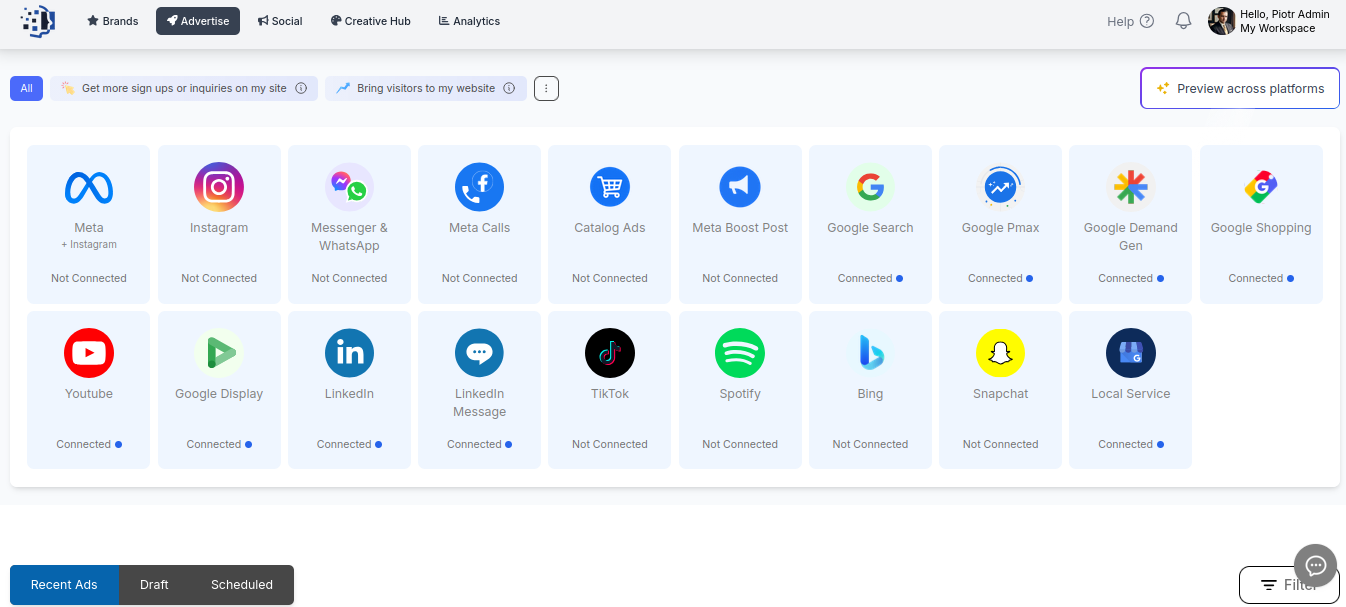
Our platform automates campaign management across more than 15 channels including Facebook, Google, TikTok, and LinkedIn. Real time optimization adjusts bids and targeting continuously while AI generated creatives and automated A/B testing identify your highest performing ads. You reduce costs and boost ROI simultaneously through intelligent budget allocation and audience targeting that adapts to market conditions.
Explore our digital advertising strategy guide to learn implementation best practices. Discover how to reduce ad costs with AI through automated optimization. Review AI advertising solutions that transform campaign performance for businesses like yours.
Veelgestelde vragen
What is the biggest time saver when using machine learning in digital ads?
Automation of bid adjustments and audience targeting eliminates the most time consuming manual tasks, reducing management work by up to 60%. You no longer need to monitor campaigns constantly or manually adjust bids across platforms throughout the day.
How often should humans review AI managed ad campaigns?
Review AI campaigns at least once weekly to verify alignment with current business goals and market conditions. While automation handles tactical optimization continuously, strategic oversight ensures the system pursues the right objectives as your priorities evolve.
Can SMBs with limited tech expertise use AI ad tools effectively?
Yes, modern AI advertising platforms like Rekla.AI are specifically designed for business users without technical backgrounds. Intuitive interfaces and clear recommendations make sophisticated automation accessible to SMB marketers at any skill level.
Does data privacy legislation affect machine learning ad performance?
Privacy laws like GDPR do limit available targeting data, requiring adjusted expectations around audience precision. However, machine learning still outperforms manual methods by extracting maximum value from permitted data sources and optimizing within regulatory constraints.
What metrics improve most with machine learning in digital ads?
Click through rates, return on ad spend, and cost per acquisition typically see the largest gains from AI optimization. Engagement rates also improve as machine learning identifies and targets the most responsive audience segments with personalized creative variations.
 English
 English (UK)
 Polski
 Deutsch
 Español
 Français
 Português
 Svenska
 Dansk
Dansk Nederlands