
Running paid campaigns can feel like a guessing game when budgets are tight and customer preferences shift by the minute. For many Australian, German, Brazilian, or Indian e-commerce brands, reaching the right shoppers at the right moment means more than simply setting and forgetting your ads. Real-time ad optimization powered by artificial intelligence brings the possibility of precise, instant adjustments that maximize results and minimize wasted spend. This guide explains how smart technology transforms every dollar into better performance with instant targeting, informed decisions, and continuous improvement.
Innehållsförteckning
- Defining Real-Time Ad Optimization and AI Roles
- Types of Real-Time Ad Optimization Methods
- How AI Powers Multichannel Campaign Performance
- Key Requirements for Effective Optimization
- Risks, Costs, and Common Pitfalls
- Comparing Manual Versus AI Optimization
Viktiga punkter
| Punkt | Detaljer |
|---|---|
| Real-Time Ad Optimization Enhances Campaign Precision | Leveraging AI allows for dynamic adjustments in marketing strategies, improving targeting and performance in real-time. |
| Types of Optimization Methods Vary in Application | Understanding different methods like Programmatic Advertising and Machine Learning can help marketers choose the right strategy for their goals. |
| AI Improves Multichannel Campaign Performance | AI consolidates data and optimizes campaigns across various platforms, enabling a unified approach to marketing. |
| Effective Optimization Requires Infrastructure and Vigilance | Strong technological foundations and regular audits are critical to mitigating risks in AI-driven advertising. |
Defining Real-Time Ad Optimization and AI Roles
Real-time ad optimization represents a sophisticated digital advertising approach that leverages artificial intelligence to dynamically adjust advertising strategies instantly. By processing vast amounts of consumer data within milliseconds, AI enables marketers to make precision-targeted decisions that maximize campaign performance and return on investment.
AI plays multiple critical roles in real-time ad optimization, primarily through advanced data analysis and automated decision-making. Sophisticated AI technologies enable complex functions such as:
- Instant audience segmentation
- Dynamic content personalization
- Real-time budget allocation
- Predictive performance modeling
- Automated creative adjustments
The core mechanism involves continuous monitoring and rapid adaptation. AI systems analyze user interactions, click-through rates, engagement metrics, and conversion data in real-time, allowing instantaneous modifications to ad targeting, placement, and creative elements. Algoritmer för maskininlärning can predict optimal ad configurations faster and more accurately than traditional human-managed approaches.
Performance tracking becomes seamless with AI-driven optimization. Advertisers receive granular insights about campaign effectiveness, enabling data-driven strategic refinements. Advanced digital advertising systems automate complex tasks like audience segmentation and personalized customer interactions, transforming how businesses approach marketing.
Proffstips: Start small by implementing AI-driven optimization on one campaign to understand its potential before scaling across your entire advertising portfolio.
Types of Real-Time Ad Optimization Methods
Real-time ad optimization encompasses several sophisticated methodologies that enable marketers to dynamically adjust advertising strategies across digital platforms. Advanced analytics techniques have revolutionized how businesses approach campaign management, providing unprecedented flexibility and precision in targeting.
The primary types of real-time ad optimization methods include:
- Programmatisk annonsering
- Automated ad buying and placement
- Instant audience targeting
- Dynamic pricing mechanisms
- Machine Learning Optimization
- Predictive performance modeling
- Behavioral pattern recognition
- Automated creative adjustments
- Kontextuell inriktning
- Real-time content relevance matching
- Immediate audience segmentation
- Adaptive messaging strategies
Bidding strategies play a crucial role in real-time optimization. Algorithmic decision-making approaches enable advertisers to make split-second decisions about ad placements, bid prices, and audience targeting. These sophisticated systems analyze multiple data points simultaneously, including user behavior, platform dynamics, and historical performance metrics.

Each optimization method offers unique advantages, allowing marketers to create highly responsive and intelligent advertising campaigns. The key is selecting the right combination of techniques that align with specific business objectives and target audience characteristics.
Here’s how real-time optimization methods differ in strategic application:
| Metod | Core Strength | Platform Suitability | Typiskt användningsfall |
|---|---|---|---|
| Programmatic | Automated bidding | Display, video ad networks | Fast campaign scaling |
| Machine Learning | Prediktiv modellering | Social, search platforms | Personalized targeting |
| Kontextuell inriktning | Content relevance analysis | News, blogs, mobile apps | Adaptive message delivery |
Proffstips: Experiment with multiple real-time optimization methods and track performance metrics to identify the most effective strategy for your specific marketing goals.
How AI Powers Multichannel Campaign Performance
AI-driven analytics have transformed multichannel campaign management by providing unprecedented insights and operational efficiency. Modern marketers can now leverage sophisticated technologies that dynamically optimize advertising strategies across multiple digital platforms, creating a seamless and intelligent marketing ecosystem.
The core mechanisms of AI-powered multichannel campaign performance include:
- Data Integration
- Consolidate information from multiple channels
- Create unified customer profiles
- Track cross-platform interactions
- Predictive Targeting
- Analyze consumer behavior patterns
- Forecast potential engagement rates
- Recommend personalized content strategies
- Real-Time Optimization
- Adjust campaigns instantly
- Redistribute marketing budgets dynamically
- Maximize return on advertising spend
AI essentially acts as a sophisticated marketing conductor, orchestrating complex campaign management with remarkable precision. These intelligent systems continuously learn from each interaction, refining targeting strategies and improving messaging relevance across social media, search engines, email, and display advertising platforms.
The transformative power of AI lies in its ability to process massive datasets instantaneously, enabling marketers to make data-driven decisions that were previously impossible. By analyzing consumer interactions, purchasing history, and engagement metrics, AI can create hyper-personalized experiences that significantly increase conversion rates and brand loyalty.
Proffstips: Implement AI-powered multichannel tracking tools that provide comprehensive analytics across all your marketing platforms to gain holistic performance insights.
Key Requirements for Effective Optimization
Real-time data infrastructure forms the critical foundation for successful digital advertising optimization. Modern marketers must develop robust technological ecosystems that can instantly process, analyze, and respond to complex consumer interaction data across multiple platforms.
The essential requirements for effective optimization include:
- Data Quality and Integration
- High-accuracy consumer behavior data
- Seamless cross-platform data collection
- Comprehensive performance tracking systems
- Advanced Analytical Capabilities
- Machine learning predictive modeling
- Real-time performance analysis
- Automated decision-making algorithms
- Ethical and Transparent Practices
- Clear data usage policies
- Consumer privacy protection
- Algorithmic decision transparency
Optimization strategies require continuous refinement. Personalization techniques demand sophisticated approaches that balance technical precision with human-centric marketing principles. Successful campaigns rely on intelligent systems that can dynamically adjust targeting, messaging, and resource allocation based on instantaneous performance metrics.
The most effective optimization frameworks integrate multiple data sources, leveraging artificial intelligence to create hyper-targeted experiences. By analyzing consumer interactions across diverse digital touchpoints, marketers can develop nuanced understanding of audience behaviors, preferences, and engagement patterns that drive meaningful business outcomes.
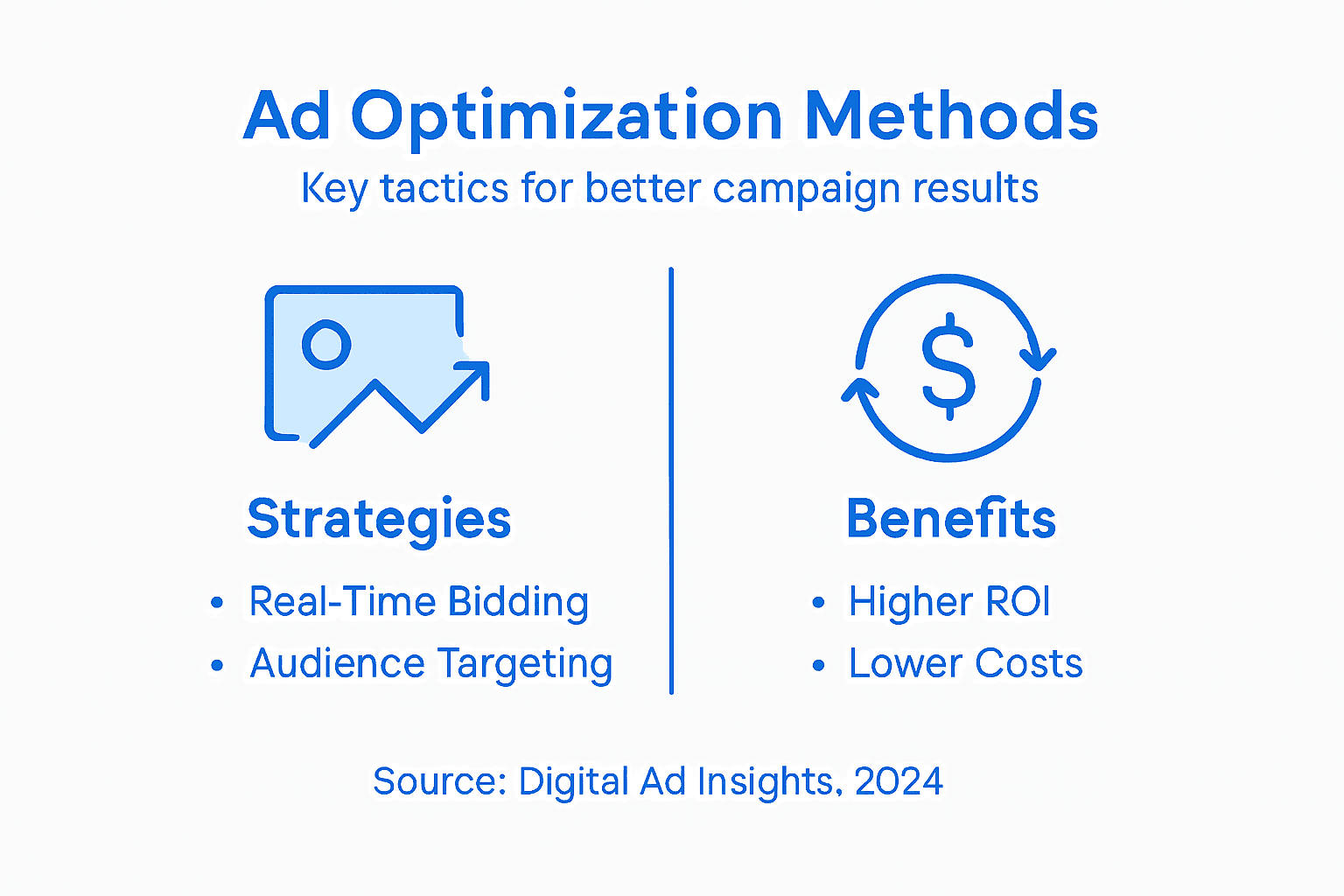
Proffstips: Implement a comprehensive data validation process that continuously monitors and verifies the accuracy and relevance of your optimization algorithms.
Risks, Costs, and Common Pitfalls
AI-powered ad optimization introduces complex challenges that businesses must carefully navigate to ensure effective and responsible digital marketing strategies. Understanding potential risks and implementing strategic safeguards becomes crucial for maintaining campaign integrity and financial efficiency.
Common risks and pitfalls in real-time ad optimization include:
- Technological Challenges
- High infrastructure implementation costs
- Complex data integration requirements
- Potential system compatibility issues
- Algorithmic Limitations
- Risk of data bias
- Potential for misinterpreted performance metrics
- Overreliance on automated decision-making
- Compliance and Ethical Concerns
- Data privacy regulations
- Transparency in algorithmic processes
- Potential discriminatory targeting patterns
Cost management requires strategic oversight. Optimization strategy validation demands continuous monitoring and expert human intervention to prevent automated systems from making inefficient or potentially harmful decisions. Successful marketers balance technological capabilities with critical human judgment to mitigate potential financial risks.
The most significant pitfall remains the assumption that AI systems are infallible. Automated optimization tools require consistent validation, periodic performance reviews, and adaptive strategies that can respond to rapidly changing market dynamics. Businesses must invest in robust training, comprehensive monitoring frameworks, and flexible technological infrastructures to maximize returns while minimizing potential negative outcomes.
Key risks and costs in AI-powered ad optimization at a glance:
| Risk Type | Example Impact | Mitigation Approach |
|---|---|---|
| Tech Infrastructure | Cost overruns, slow deployment | Careful vendor selection |
| Algoritmisk partiskhet | Mis-targeted ads, lost revenue | Regular audits, diverse datasets |
| Compliance Issues | Fines, reputation damage | Strong privacy policies |
Proffstips: Establish a quarterly review process that critically evaluates your AI optimization algorithms for potential biases, performance gaps, and alignment with current business objectives.
Comparing Manual Versus AI Optimization
Digital advertising optimization represents a critical evolution from traditional manual methods to sophisticated AI-driven strategies. Modern marketers face a fundamental transformation in how campaigns are designed, executed, and refined across multiple digital platforms.
Key differences between manual and AI optimization include:
- Data Processing Capabilities
- Manual: Limited data analysis
- AI: Billions of data points processed instantly
- Målprecision
- Manual: Broad, generalized segments
- AI: Hyper-personalized audience targeting
- Response Time
- Manual: Slow, periodic adjustments
- AI: Real-time campaign modifications
- Kostnadseffektivitet
- Manual: Higher operational expenses
- AI: Optimized budget allocation
Campaign management strategies have fundamentally changed. AI-powered optimization techniques now dominate digital advertising, enabling unprecedented levels of precision and responsiveness that manual approaches cannot match. Intelligent algorithms continuously analyze performance metrics, making split-second decisions that maximize return on investment.
Traditional manual optimization relies heavily on human intuition and experience, which introduces significant limitations. AI systems eliminate human bias, process complex multidimensional data simultaneously, and adapt instantaneously to changing market conditions. The result is a more dynamic, efficient, and accurate approach to digital advertising that consistently outperforms human-managed campaigns.
Proffstips: Start by implementing AI optimization on a small percentage of your campaign budget to understand its performance potential before full-scale adoption.
Unlock Real-Time Ad Optimization with Rekla.AI to Boost Your ROI and Cut Advertising Costs
The article highlights the challenge of managing complex, data-driven campaigns that require instant decisions and precise audience targeting to maximize return on investment. Many businesses struggle with costly infrastructure, slow manual optimizations, and the risk of ineffective automated algorithms. Rekla.AI resolves these pain points by offering an AI-powered advertising automation platform that seamlessly integrates real-time optimization, audience segmentation, and budget management across more than 15 major social media and advertising platforms.
Med Rekla.AI you gain access to advanced AI features such as predictive performance modeling, automated ad creative generation, and dynamic budget allocation. This platform empowers small-to-medium-sized businesses and digital marketers to launch hyper-personalized ads with ease while continuously optimizing campaigns in real time for maximum impact and cost-efficiency. The smart automation saves you time and prevents costly mistakes often associated with algorithmic bias or manual delays.
Experience how Rekla.AI transforms the technical complexity of real-time ad optimization into a straightforward process that grows your business confidently and efficiently. Start creating smarter campaigns today by visiting Rekla.AI and exploring how our AI-driven solutions can elevate your advertising strategy now.
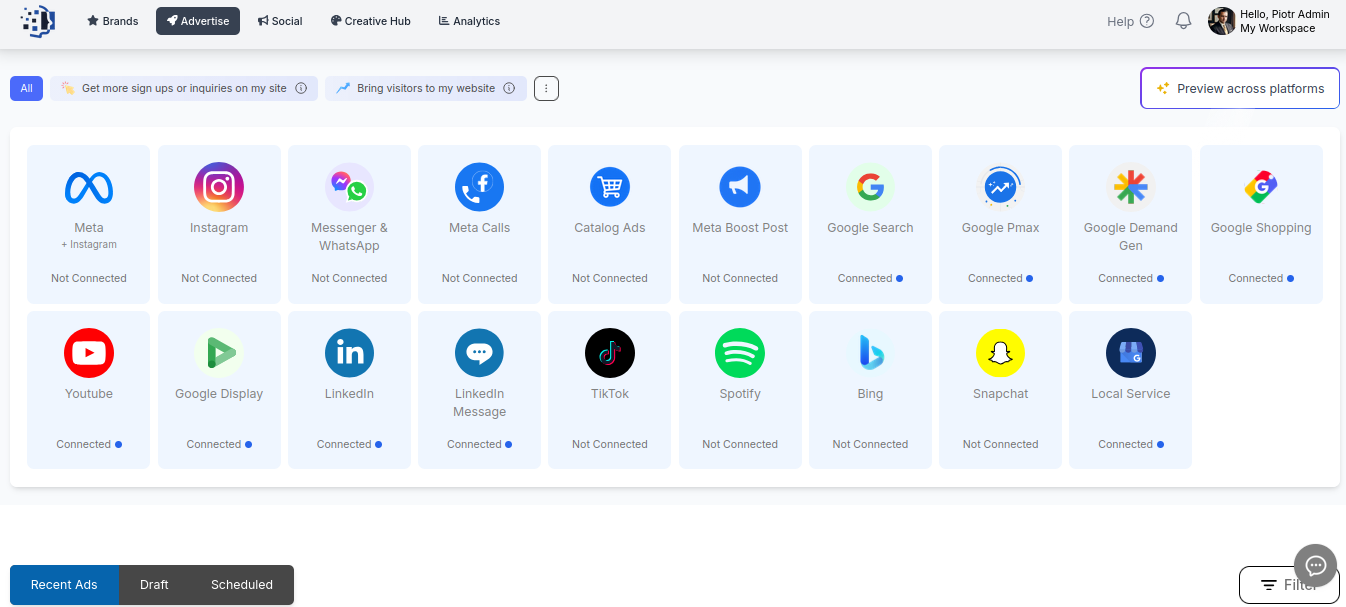
Ready to conquer real-time ad optimization? Visit Rekla.AI for an intelligent ad management platform designed to boost ROI and reduce costs immediately. Learn more about the power of AI-powered optimization and take control of your digital campaigns today.
Vanliga frågor
What is real-time ad optimization?
Real-time ad optimization is a digital advertising strategy that uses artificial intelligence to adjust advertising tactics instantly based on consumer data, enhancing campaign performance and ROI.
How does AI enhance real-time ad optimization?
AI enhances real-time ad optimization through advanced data analysis and automated decision-making, enabling instant audience segmentation, dynamic content personalization, and real-time budget allocation, among other functions.
What are the benefits of using machine learning in ad optimization?
Machine learning improves ad optimization by predicting performance, recognizing behavioral patterns, and automatically adjusting creative elements, all of which lead to more efficient and targeted advertising campaigns.
What are common pitfalls in real-time ad optimization?
Common pitfalls include technological challenges like high implementation costs, algorithmic limitations such as data bias, and compliance issues regarding data privacy. It’s crucial to implement strategies to mitigate these risks.
 English
 English (UK)
 Polski
 Deutsch
 Español
 Français
 Português
 Svenska
 Dansk
Dansk Nederlands