
Running a static ad to every customer can leave sales flat, especially when your store caters to buyers across Germany, Brazil, and Canada. Modern shoppers expect ads that feel personal, not generic. Dynamic ad content automatically adapts creative elements in real time using data like past behavior and location to deliver tailored experiences for each viewer. This article guides you through how dynamic ads optimize engagement and why personalized campaigns increase ROI with every impression.
Indholdsfortegnelse
- Defining Dynamic Ad Content In Digital Marketing
- Types Of Dynamic Ad Creatives And Formats
- How Ai Powers Dynamic Ad Optimization
- Targeting Strategies For Dynamic Ad Campaigns
- Common Mistakes And How To Avoid Them
Vigtige pointer
| Punkt | Detaljer |
|---|---|
| Dynamic Ad Content | Dynamic ads personalize messaging based on user behavior, enhancing engagement and conversions. |
| Optimering i realtid | AI enables real-time ad adjustments, continuously learning from user interactions to maximize effectiveness. |
| Targeting Strategies | Micro-segmentation and lookalike audiences significantly improve targeting precision, leading to higher ROI. |
| Data Integrity | Ensuring high-quality data feeds and proper conversion tracking are crucial for the success of dynamic ad campaigns. |
Defining Dynamic Ad Content in Digital Marketing
Dynamic ad content adjusts in real-time based on who sees it, what they’ve done before, and what captures their attention right now. Rather than running the same ad to everyone, dynamic ads show different versions to different people—automatically.
This isn’t set-it-and-forget-it advertising. Your ad copy, images, headlines, and calls-to-action shift based on user behavior, demographics, and platform performance data. Someone browsing winter coats sees a different ad than someone who just abandoned a shopping cart.
How Dynamic Ads Work
Dynamic ad systems pull product information, user data, and performance metrics together to create thousands of variations. When a user loads a page or opens an app, the platform instantly decides which version performs best for that specific person.
Here’s what happens behind the scenes:
- Your data feeds (product catalogs, user behavior, inventory) connect to the advertising platform
- The system analyzes each user’s history, interests, and browsing patterns
- An algorithm selects the best-performing ad variant for that individual in milliseconds
- The chosen ad displays immediately
This process repeats for every impression, every click, every user interaction.
Why This Matters for Your Business
Static ads treat all customers the same. Dynamic ads treat each customer differently. That difference compounds quickly.
When you sell multiple products at different price points, someone who just viewed a $200 item gets a different message than someone browsing $50 options. When someone has already seen your ad three times, the system shows them a new creative instead of repeating the same one.
Understanding dynamic audience targeting strategies helps you leverage these capabilities effectively.
Here’s how static ads and dynamic ads differ in approach and business outcome:
| Aspekt | Static Ads | Dynamic Ads |
|---|---|---|
| Audience Experience | Same ad for every viewer | Personalized for each individual |
| Performance Optimization | Manual changes infrequently | Real-time automated adjustments |
| Message Relevance | General messaging | Highly tailored messaging |
| Impact on ROI | Lower, limited by relevance | Higher, driven by adaptation |
Dynamic ads adapt to each viewer in real-time, eliminating the guesswork from campaign management and letting performance data guide every impression.
Key Elements of Dynamic Ad Content
Dynamic ads contain several flexible components that change based on performance and audience:
- Headlines: Multiple versions test different angles—urgency, benefit, product name
- Descriptions: Short copy highlighting different value propositions
- Images and video: Product photos, lifestyle images, or carousel formats adjust to what converts
- Product information: Price, availability, ratings pulled directly from your catalog
- Calls-to-action: “Buy Now,” “Learn More,” “Get Started” rotate based on what drives clicks
- Landing pages: URLs direct to product pages, special offers, or general destinations
Each element pulls from a pool of options. The platform tests combinations and doubles down on what works.
Real-World Difference
Your e-commerce store sells running shoes, winter boots, and sandals. A static campaign runs one ad for “Shop Shoes Today.” A dynamic campaign shows runners shoe content to fitness trackers, winter gear to users in cold regions, and sandals to browsers in warm climates.
The result? Someone sees exactly what they’re most likely to buy.
Profftip: Start by identifying your top 5-10 product variations and highest-converting audience segments, then let your dynamic system test different combinations against those groups to find winners fast.
Types of Dynamic Ad Creatives and Formats
Dynamic ad creatives don’t come in one mold. They adapt across multiple formats, each designed to capture attention in different contexts. Your audience sees the right format at the right moment—whether they’re scrolling social media, watching videos, or browsing websites.
The flexibility of dynamic creatives means you’re not locked into a single approach. You test multiple formats simultaneously and let performance data show you what works best.
Single Image Ads
Single image ads remain the workhorse of dynamic campaigns. A product photo, lifestyle image, or promotional graphic displays with customizable headlines and descriptions that change based on user behavior.

This format works because it’s simple. No complicated production. No buffering videos. Just a clean image that resonates with each viewer differently.
When you sell multiple products, the system shows different product images to different audiences. Someone interested in electronics sees a laptop. Someone browsing home goods sees kitchen items.
Carousel and Collection Ads
Carousels showcase multiple products or variations in a single ad. Users swipe through three to ten cards, each containing a different item, price point, or offer. This format performs especially well when you have diverse inventory.
Collection ads group related items together, creating mini-shopping experiences. A visitor sees several winter coats in one ad unit, reducing friction to find what they want.
- Multiple products displayed at once
- Higher engagement rates than single images
- Perfect for seasonal collections or cross-sells
- Users control the browsing experience by swiping
Video and Motion Ads
Video captures attention faster than static images. Dynamic video ads adjust their messaging, product focus, and calls-to-action based on viewer data. A user who abandoned a cart sees a product demo. A new visitor sees a brand story.
Short-form vertical videos work best on mobile platforms. The system tests different video lengths and styles, keeping what converts highest.
Interactive and Responsive Formats
Interactive ads let viewers engage directly within the ad unit. Polls, quizzes, product configurators, and shoppable carousels reduce the steps needed to convert. Generating multiple ad creatives efficiently allows you to test which interactive elements drive the most engagement.
Responsive ads automatically adjust their layout, text size, and image placement based on the device and placement. What looks perfect on a mobile phone reflows perfectly on a desktop.
Dynamic formats let you test dozens of creative combinations simultaneously, eliminating guesswork and scaling what actually works with your audience.
Catalog and Product Feed Ads
These ads pull directly from your product inventory. Price, availability, ratings, and product descriptions all update automatically. When you change pricing or add new items, your ads update instantly—no manual work required.
Your entire product catalog becomes ad inventory. The system learns which products convert best for which audiences and prioritizes those combinations.
HTML5 and Rich Media Ads
HTML5 ads create custom, interactive experiences. Expandable banners, animated sequences, and immersive brand experiences deliver premium impressions. These formats cost more to produce but convert higher-value audiences.
Rich media performs well for luxury goods, software, and premium services where the buying decision justifies more sophisticated creative.
Profftip: Start with image and carousel formats to establish baseline performance, then layer in video and interactive formats once you’ve identified your winning audience segments and product combinations.
Use this quick guide to select the most effective dynamic ad format based on your marketing goal:
| Format Type | Bedst til | Creative Flexibility |
|---|---|---|
| Single Image | Simple campaigns, fast launches | Moderate—headline and image rotation |
| Carousel/Collection | Showcasing product ranges | High—multiple items, interactive |
| Video/Motion | Storytelling, higher engagement | High—dynamic messaging, visuals |
| HTML5/Rich Media | Luxury or premium branding | Very high—custom interactivity |
| Catalog/Product Feed | Large, changing inventories | Automatic content updates |
How AI Powers Dynamic Ad Optimization
AI doesn’t just speed up ad management—it fundamentally changes how campaigns work. Machine learning algorithms analyze massive amounts of data in milliseconds, making decisions that would take humans hours to process manually.
Your AI system learns patterns from every click, impression, and conversion. It identifies what works, doubles down on winners, and kills underperformers automatically. The result is campaigns that get smarter every single day.
Real-Time Decision Making
When a user lands on a webpage or opens an app, AI decides instantly which ad to show them. This happens in the time it takes for the page to load—milliseconds matter.
Machine learning algorithms analyze click-through rates and audience engagement to determine the best creative, bid amount, and placement for each individual user. The system evaluates hundreds of variables simultaneously.
Traditional campaigns require you to wait for weekly or monthly reports. AI-powered campaigns adjust hourly or even minute-by-minute based on live performance data.
Budget Allocation and Bid Optimization
AI determines where your budget goes and how much to bid. Instead of spreading money evenly across audiences, the system invests more heavily in segments that convert highest.
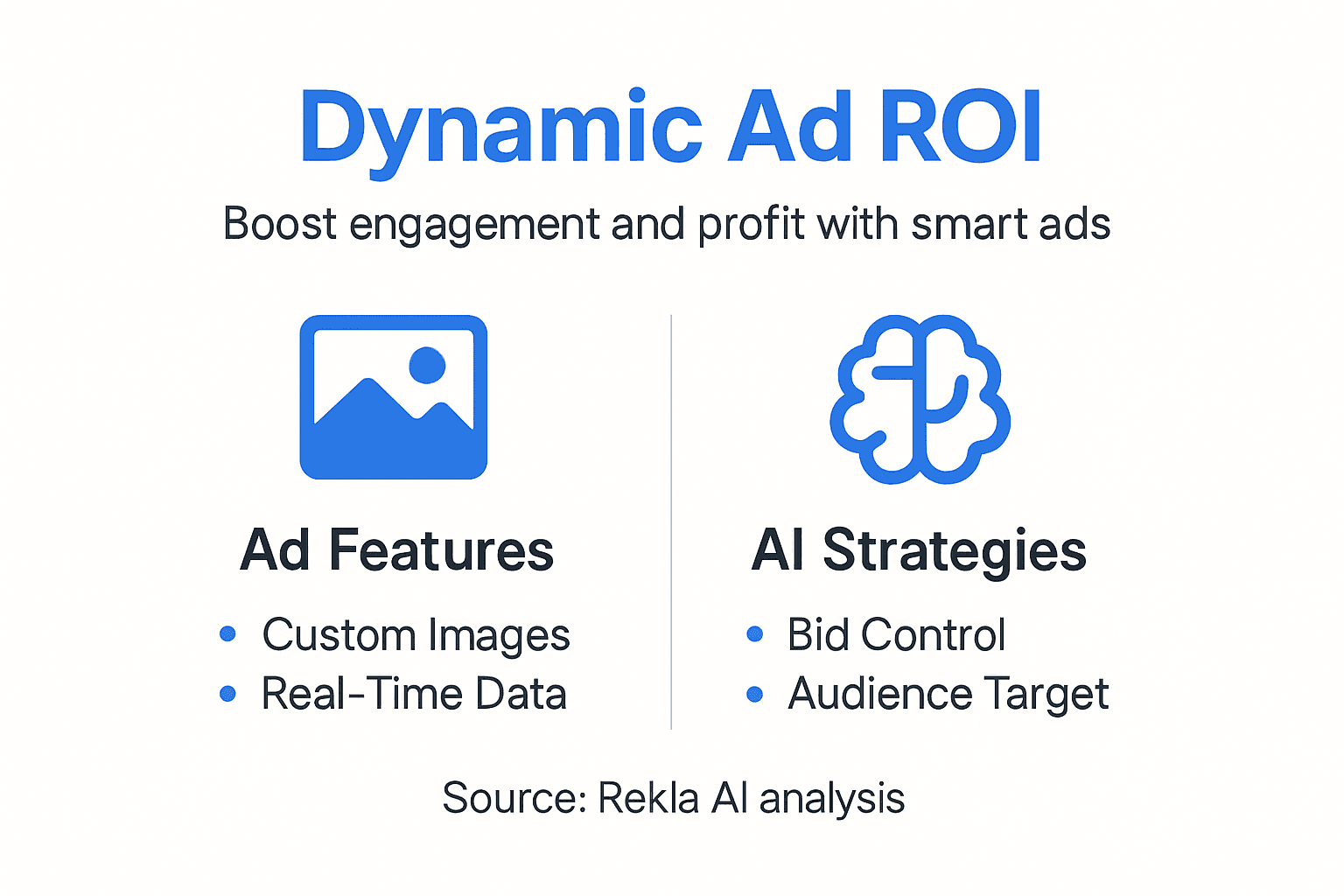
You set a daily budget. AI allocates that budget across platforms, placements, and audiences based on predicted return. A high-converting segment gets 60% of budget. A struggling segment gets 10%. The system rebalances constantly.
Key allocation decisions:
- Which platforms deserve more spend based on conversion rates
- Which audience segments to prioritize or pause
- How much to bid for each impression
- When to scale up winning combinations
Predictive Performance Modeling
AI doesn’t just react to data—it predicts what will happen next. These predictive models forecast which creative combinations, audience segments, and time periods will drive conversions before you launch them.
You can test a new creative variant without waiting weeks for results. The model analyzes it against historical patterns and tells you within days whether it will perform.
Continuous Learning and Adaptation
Reinforcement learning means your system improves with every action. Each impression teaches the algorithm something new. Each conversion reinforces what works. Each non-conversion eliminates what doesn’t.
Human optimizers make changes occasionally. AI optimizes continuously. This compounds over time—a campaign running AI optimization for six months significantly outperforms one managed manually.
AI-driven optimization reduces human error, accelerates decision-making, and scales your best-performing combinations automatically across millions of impressions.
Cross-Platform Performance Analysis
You might run ads on Facebook, Google, TikTok, and LinkedIn simultaneously. AI tracks performance across all platforms, identifies which platforms work best for which audiences, and reallocates budget accordingly.
One audience converts best on Facebook. Another converts better on Google. AI learns these preferences and optimizes spending automatically.
Smart Audience Targeting Adjustments
AI analyzes audience data to identify high-value segments you might miss manually. It recognizes patterns in behavior, demographics, and interests that correlate with purchases.
You define your main audience. AI expands it to lookalike audiences, finds micro-segments within your audience, and excludes audiences unlikely to convert.
Profftip: Set up conversion tracking properly before launching AI optimization—the system needs clear signals to learn from, so ensure every purchase or valuable action flows back as accurate data.
Targeting Strategies for Dynamic Ad Campaigns
Targeting determines everything. Show your ads to the wrong people and you waste budget. Show them to the right people and watch your ROI skyrocket.
Dynamic campaigns leverage sophisticated targeting strategies that go far beyond “people aged 25-45.” Advanced targeting uses behavior, real-time context, and AI predictions to identify users most likely to convert.
Micro-Segmentation
Instead of one audience, create dozens of small, highly specific segments. Micro-segmentation divides your customers into granular groups based on multiple data points simultaneously.
You might segment by:
- Purchase history and price sensitivity
- Content consumption patterns
- Device type and location
- Browsing behavior and time spent on site
- Previous engagement with your brand
Someone who spent 10 minutes browsing premium products receives different ad messaging than someone who clicked your clearance section. Each micro-segment sees customized creative designed for their specific behavior.
Lookalike Audiences
Lookalike audiences find people similar to your best customers. You provide the system with data about high-value customers—those who purchased, spent the most, or showed strong engagement.
AI analyzes the characteristics of these valuable customers and locates thousands of new people with similar patterns. Advanced targeting strategies using AI and big data expand your reach beyond existing customers to new prospects likely to convert.
Lookalike audiences typically outperform cold audience campaigns because they’re built on proven customer profiles.
Dynamic Bidding Based on User Value
Not all users are equally valuable. Dynamic campaigns adjust your bid amount based on predicted user value. The system identifies users with the highest conversion probability and bids more aggressively for their attention.
A user matching your premium customer profile might trigger a $2.50 bid. A user matching a low-conversion profile might trigger a $0.50 bid. This precision allocation maximizes ROI by spending more on high-potential users.
Real-Time Context Targeting
Context matters enormously. Sophisticated data-driven personalization considers what’s happening right now—time of day, device type, weather, current events, and browsing activity.
Someone searching for rain boots on a rainy day in Seattle receives completely different ads than someone browsing summer sandals in Arizona. Real-time context ensures your message matches the moment.
Predictive Analytics Targeting
Predictive models forecast which users will convert before they do. Machine learning analyzes historical data to identify patterns in user behavior that precede purchases.
The model might discover that users who view product pages at 9 PM on weekdays convert 40% higher than others. That insight becomes a targeting rule, automatically prioritizing those high-intent moments.
Precision targeting reduces wasted ad spend and concentrates your budget on users genuinely ready to buy, dramatically improving your cost per acquisition.
Cross-Channel Audience Integration
Users don’t live on one platform. Someone browses Instagram, checks email, watches YouTube, and searches Google throughout the day. Effective dynamic campaigns track users across channels and deliver consistent messaging.
You create a unified audience view that recognizes the same person across devices and platforms. This ensures frequency capping (not showing too many ads) and message consistency regardless of where they encounter your ads.
Profftip: Start with your highest-value customer segment as your lookalike seed audience—these customers define profitability, so finding more people like them delivers faster ROI than targeting broader, less valuable segments.
Common Mistakes and How to Avoid Them
Dynamic ad campaigns are powerful, but they’re also easy to misuse. Small mistakes compound quickly, draining budget while returns plummet. The good news: most mistakes are preventable once you know what to watch for.
Here are the pitfalls that trip up most SMB marketers and how to sidestep them.
Poor Data Quality and Feed Issues
Dynamic ads pull from your product data feeds. If your feed contains errors, outdated prices, or incomplete product information, your ads suffer immediately.
Common feed problems include:
- Product images missing or broken links
- Prices that don’t match your actual website
- Inventory status that’s out of sync
- Duplicate product entries confusing the algorithm
- Missing product descriptions or specifications
Bad data means bad ads. The system can’t optimize effectively when working with incorrect information. Audit your feeds weekly. Ensure prices, inventory, and images sync automatically from your store.
Not Setting Proper Conversion Tracking
AI learns from conversions. If your tracking is broken or incomplete, the system can’t identify what actually works. You might think a campaign is failing when it’s actually performing—you’re just not measuring it correctly.
Implement conversion tracking before launching campaigns. Track:
- Purchases and revenue
- Add-to-cart actions
- Form submissions
- Sign-ups or registrations
- Custom events tied to business goals
Without clear conversion signals, AI optimization operates blindly. Your dynamic ads become static ads.
Starting with Budgets That Are Too Small
Dynamic campaigns need data volume to learn effectively. A $5 daily budget spreads too thin across platforms, audiences, and creatives. The system never gathers enough data to identify patterns.
Allocate at least $15-25 daily per campaign during the learning phase. This gives the algorithm enough impressions and conversions to optimize intelligently. Scale down once you’ve identified winners.
Overcomplicated Audience Segmentation
More segments sound good in theory. In practice, too many micro-segments dilute your budget and confuse your strategy. When you split $300 daily across fifteen segments, each segment gets $20—not enough for the system to learn.
Start with 3-5 core segments based on your most valuable customer types. Let the dynamic system optimize within those segments rather than fragmenting budget across dozens of small audiences.
Ignoring Performance Data and Not Optimizing
Dynamic campaigns generate mountains of data. Many marketers set campaigns live and forget them. You need to review performance weekly, identifying what’s working and what’s not.
Check these metrics:
- Cost per result trending up or down
- Click-through rate by creative variant
- Conversion rates by audience segment
- Return on ad spend by placement
Data reveals opportunities. Maybe one creative outperforms others by 40%. Pause underperformers and increase spend on winners.
Changing Variables Too Frequently
Resist the urge to tweak everything constantly. Dynamic campaigns need time to settle before you judge performance. Changing budgets, audiences, and creatives daily prevents the system from gathering enough data to optimize.
Give campaigns 2-3 weeks of consistent data before making major changes. Then optimize based on clear patterns, not daily fluctuations.
The biggest mistake isn’t using dynamic ads—it’s launching them without proper tracking, clean data, or enough budget to let the system learn.
Neglecting Privacy and Compliance
Advanced targeting and data collection must comply with regulations like GDPR, CCPA, and platform policies. Using customer data without proper consent creates legal and reputational risk.
Ensure you have explicit consent for data collection. Use first-party data whenever possible. Respect opt-out requests immediately. Transparency builds trust and protects your business.
Profftip: Audit your product feed and conversion tracking setup before investing in dynamic campaigns—these foundational elements determine whether your ads actually work, so getting them right upfront saves weeks of troubleshooting later.
Unlock the Power of Dynamic Ads with Rekla.AI
If you want to stop wasting budget on generic campaigns and start delivering personalized, real-time ad experiences, Rekla.AI is the solution you need. This article highlights the pain of managing complex dynamic ad content, from data feed errors to inefficient audience targeting. Rekla.AI simplifies these challenges by leveraging advanced AI to automate ad creation, optimize campaigns across more than 15 platforms, and precisely target micro-segments and lookalike audiences.
Experience smarter ad management that cuts costs while maximizing your click-through rates and conversions. Rekla.AI’s AI-driven platform takes the guesswork out of campaign optimization by providing real-time adjustments and budget allocation so you can focus on growth instead of manual tasks. Whether you are managing product feed ads, dynamic carousels, or video campaigns, Rekla.AI empowers you to launch effective multi-channel strategies without prior advertising expertise.
Take the next step toward dynamic ad success by exploring how Rekla.AI can transform your digital marketing efforts today.
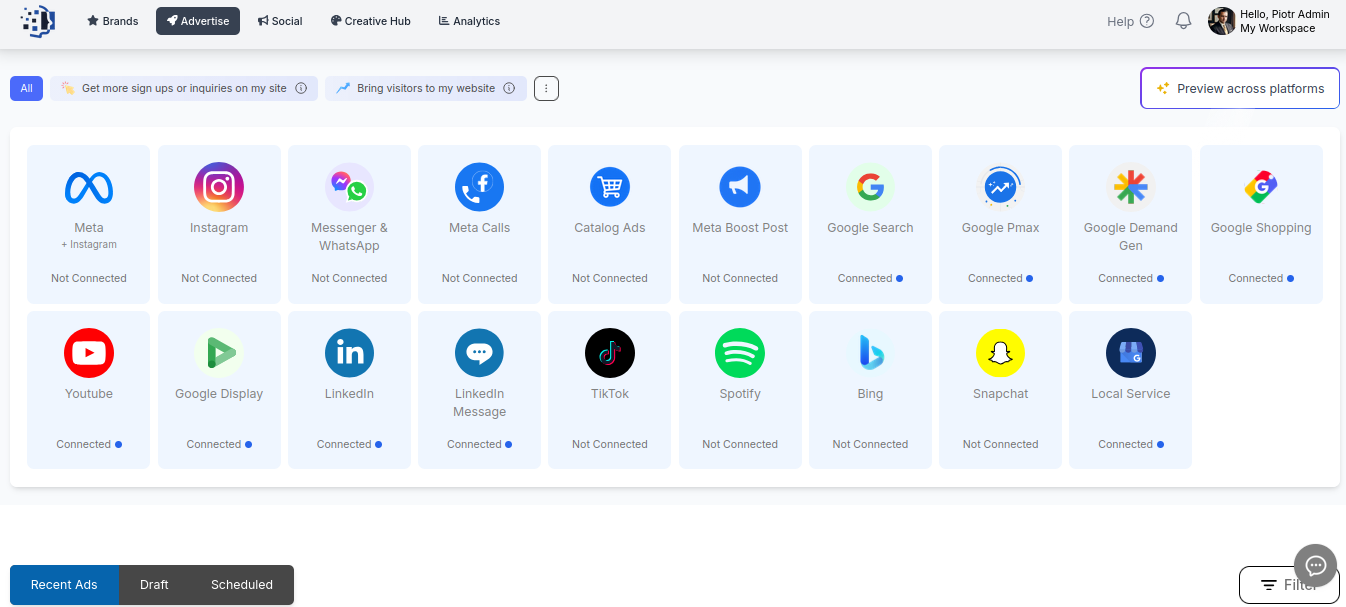
Discover the future of advertising automation now at Rekla.AI. Learn about AI-driven ad generation and audience targeting strategies that elevate your campaigns with ease.
Ofte stillede spørgsmål
What are dynamic ads in digital marketing?
Dynamic ads are advertisements that automatically adjust their content—such as images, headlines, and calls-to-action—based on user behavior, demographics, and performance data to provide a personalized viewing experience.
How do dynamic ads improve ROI compared to static ads?
Dynamic ads enhance ROI by showing tailored messages to individual users, thereby increasing relevance and engagement. This targeted approach allows for real-time adjustments based on user interactions, leading to more effective ad spend.
What elements can be customized in dynamic ad content?
Dynamic ad content can include customizable headlines, descriptions, images or videos, product information, calls-to-action, and even landing pages that change based on user data and behavior.
How does AI optimize dynamic ad campaigns?
AI optimizes dynamic ad campaigns by analyzing data in real-time to make instant decisions about which ads to display, adjusting budgets, and identifying high-value audience segments to improve overall campaign performance.
 English
 English (UK)
 Polski
 Deutsch
 Español
 Français
 Português
 Svenska
 Dansk
Dansk Nederlands