

Bold claims about AI advertising often miss the mark—over 40 percent of American small-to-medium businesses still believe these tools are only for giant companies. If you are juggling campaign budgets across multiple channels, misunderstanding AI’s practical benefits could cost you real savings. This article clears up the biggest myths, reveals exactly how AI automation works, and shows actionable ways to cut digital ad costs while reaching your audience more effectively.
Spis treści
- Definiowanie reklamy AI i powszechne mity
- Podstawowe technologie stojące za reklamą AI
- Rodzaje rozwiązań reklamowych AI
- Jak sztuczna inteligencja poprawia targetowanie i personalizację
- Oszczędności, zwrot z inwestycji i rzeczywiste przykłady
- Ryzyko, wyzwania i kwestie etyczne
Najważniejsze wnioski
| Punkt | Szczegóły |
|---|---|
| Dostępność reklam AI | Reklama AI nie jest przeznaczona tylko dla dużych korporacji; stała się bardziej przyjazna dla użytkownika i dostępna dla małych i średnich firm. |
| Zwiększenie ludzkiej kreatywności | Sztuczna inteligencja nie zastępuje ludzkiej kreatywności, ale ją wzmacnia, pozwalając na bardziej strategiczne myślenie i innowacyjne rozwiązania reklamowe. |
| Efektywność kosztowa i zwrot z inwestycji | Wdrożenie sztucznej inteligencji może prowadzić do znacznego obniżenia kosztów reklamy przy jednoczesnej poprawie zwrotu z inwestycji dzięki lepszemu kierowaniu i wydajności. |
| Rozważania etyczne | Firmy muszą priorytetowo traktować etyczne praktyki w reklamach AI, zapewniając prywatność danych, przejrzystość i zapobiegając stronniczości algorytmów. |
Definiowanie reklamy AI i powszechne mity
AI advertising represents a transformative approach to digital marketing that leverages artificial intelligence technologies to optimize advertising strategies, targeting, and campaign performance. Unlike traditional advertising methods, AI-powered solutions analyze massive datasets to generate precise audience insights, create personalized ad content, and dynamically adjust campaign parameters in real time.
Traditional misconceptions about AI advertising often stem from an incomplete understanding of its capabilities. Many business owners mistakenly believe AI advertising is a complex, inaccessible technology reserved for large corporations. However, badanie trendów w reklamie AI ujawnia bardziej zniuansowaną rzeczywistość: Narzędzia AI stają się coraz bardziej przyjazne dla użytkownika i dostępne dla małych i średnich firm.
Several persistent myths cloud understanding of AI advertising. First, many assume AI completely replaces human creativity – in reality, AI serves as a powerful augmentation tool that enhances human strategic thinking. Second, some believe AI advertising is prohibitively expensive. Contrary to this belief, AI can significantly reduce advertising costs by improving targeting precision and eliminating inefficient spending. Third, concerns about data privacy and algorithmic bias are valid, but advanced AI systems now incorporate robust ethical guidelines and transparency protocols.
The core value of AI advertising lies in its ability to process and interpret complex data patterns far beyond human analytical capabilities. By leveraging machine learning algorithms, these systems can predict consumer behavior, optimize ad placement, and generate personalized content with remarkable accuracy. This approach transforms advertising from a scattershot strategy to a precise, data-driven methodology.
Oto porównanie tradycyjnych i opartych na sztucznej inteligencji podejść reklamowych:
| Aspekt | Reklama tradycyjna | Reklama AI |
|---|---|---|
| Precyzja celowania | Szeroki, ogólny | Wysoce spersonalizowane, oparte na danych |
| Kreatywny rozwój | Ręczne, czasochłonne | Zautomatyzowana kreatywność wspomagana sztuczną inteligencją |
| Optymalizacja budżetu | Ustalone z góry, nieelastyczne | Dynamiczne regulacje w czasie rzeczywistym |
| Skalowalność | Ograniczone przez zasoby ludzkie | Łatwe skalowanie dzięki automatyzacji |
| Analiza wydajności | Retrospektywna, podstawowa analityka | Ciągłe, zaawansowane dane dotyczące wydajności |
Porada profesjonalisty: Zacznij od małych eksperymentów z reklamą AI, aby zrozumieć jej potencjał bez przeciążania budżetu marketingowego, stopniowo zwiększając inwestycje w miarę zdobywania zaufania do technologii.
Podstawowe technologie stojące za reklamą AI
Reklama AI opiera się na wyrafinowanym ekosystemie zaawansowanych technologii, które współpracują ze sobą, aby przekształcić cyfrowe strategie marketingowe. Algorytmy uczenia maszynowego form the foundational infrastructure, enabling systems to analyze complex data patterns, learn from historical performance, and continuously refine advertising approaches without explicit human programming.
The core technological framework of AI advertising encompasses several critical components. Natural language processing (NLP) allows systems to understand and generate human-like text, enabling personalized ad copy creation and sentiment analysis. Deep learning neural networks process intricate consumer behavior data, identifying subtle patterns that traditional analytics might overlook. Generative adversarial networks (GANs) further enhance creative capabilities by generating unique visual content tailored to specific audience segments.

These technologies work synergistically to transform advertising from a static, one-size-fits-all approach to a dynamic, hyper-personalized experience. Machine learning models predict consumer preferences by analyzing vast datasets, including browsing history, social media interactions, purchase behaviors, and demographic information. By integrating multiple data sources, AI systems can generate highly targeted advertising content that resonates with individual consumer motivations and preferences.
The technological sophistication of AI advertising extends beyond data analysis. Predictive analytics, computer vision, and real-time optimization algorithms enable advertisers to dynamically adjust campaigns, allocate budgets more efficiently, and maximize return on investment. These technologies continuously learn and adapt, ensuring that advertising strategies remain agile and responsive to changing market conditions and consumer trends.
Porada profesjonalisty: Zainwestuj czas w zrozumienie podstawowych mechanizmów technologii reklamowych AI, aby podejmować bardziej świadome decyzje dotyczące wdrażania tych zaawansowanych narzędzi marketingowych w swojej strategii biznesowej.
Rodzaje rozwiązań reklamowych AI
Reklama AI obejmuje różnorodną gamę zaawansowanych rozwiązań zaprojektowanych w celu zrewolucjonizowania strategii marketingowych w różnych kontekstach biznesowych. Zautomatyzowane platformy reklamowe Stanowią jedną z najpotężniejszych kategorii, umożliwiając ustalanie stawek w czasie rzeczywistym i automatyczne umieszczanie reklam, co znacznie poprawia precyzję kierowania i efektywność kosztową.
The primary types of AI advertising solutions can be categorized into several key segments. Predictive analytics solutions utilize machine learning algorithms to forecast consumer behavior and optimize ad targeting. Conversational marketing tools like AI chatbots engage customers through personalized interactions, while content generation platforms leverage natural language processing to create compelling ad copy and visual materials. Recommendation systems analyze user data to suggest hyper-personalized product advertisements tailored to individual preferences.
Each AI advertising solution offers unique capabilities that transform traditional marketing approaches. Generative AI tools can produce multiple ad variations instantly, allowing marketers to test different creative strategies rapidly. Real-time optimization systems continuously adjust campaign parameters based on performance metrics, ensuring maximum return on investment. Advanced computer vision technologies enable precise audience segmentation by analyzing visual content interactions and demographic characteristics.
The technological sophistication of these solutions extends beyond simple automation. Integrated AI advertising platforms now combine multiple solution types, creating comprehensive ecosystems that manage everything from audience targeting to creative generation and performance tracking. These holistic approaches enable businesses to implement data-driven marketing strategies that adapt dynamically to changing consumer behaviors and market conditions.
Poniższa tabela podsumowuje kluczowe typy rozwiązań reklamowych AI i ich główne korzyści biznesowe:
| Typ rozwiązania AI | Key Function | Korzyści biznesowe |
|---|---|---|
| Analityka predykcyjna | Prognozuje zachowania konsumentów | Poprawia targetowanie, podnosi ROI |
| Marketing konwersacyjny | Spersonalizowane interakcje chatbota | Zwiększa zaangażowanie, usprawnia wsparcie |
| Generowanie treści | Tworzy dopasowane reklamy i wizualizacje | Zwiększa szybkość kreacji, trafność |
| Systemy rekomendacji | Sugeruje produkty użytkownikom | Zwiększa sprzedaż krzyżową i dodatkową |
| Optymalizacja w czasie rzeczywistym | Automatycznie dostosowuje kampanie | Maksymalizuje wyniki, obniża wydatki |
Porada profesjonalisty: Start by experimenting with one specific AI advertising solution that aligns most closely with your current marketing challenges to minimize implementation complexity and maximize learning opportunities.
Jak sztuczna inteligencja poprawia targetowanie i personalizację
Sztuczna inteligencja rewolucjonizuje kierowanie reklam, przekształcając surowe dane konsumenckie w przydatne informacje, które umożliwiają bezprecedensowy poziom personalizacji. Modele uczenia maszynowego analizują złożone wzorce zachowań z niezwykłą precyzją, tworząc wielowymiarowe profile odbiorców, które wykraczają daleko poza tradycyjną segmentację demograficzną.
The core strength of AI-driven targeting lies in its ability to process massive datasets instantaneously. By integrating information from multiple sources such as browsing history, social media interactions, purchase behaviors, and real-time engagement metrics, AI algorithms can construct intricate consumer personas. These sophisticated models predict individual preferences with astonishing accuracy, enabling advertisers to deliver hyper-personalized content that resonates deeply with specific audience segments.
Advanced natural language processing and computer vision technologies further enhance personalization capabilities. AI systems can now interpret contextual nuances, emotional tones, and subtle behavioral signals that human analysts might overlook. This means advertisements can be dynamically adjusted in real time, matching not just demographic characteristics but also current mood, intent, and micro-moment needs of potential customers. Such granular targeting dramatically improves engagement rates and reduces advertising waste by ensuring messages reach the most receptive audiences.
The technological sophistication of AI personalization extends beyond simple targeting. Intelligent systems continuously learn and adapt, creating a feedback loop that becomes more precise with each interaction. This means advertising strategies evolve in real time, automatically optimizing messaging, creative elements, and delivery channels based on ongoing performance data. Businesses can now achieve levels of marketing personalization that were impossible just a few years ago, transforming advertising from a broadcast model to a highly individualized communication experience.
Porada profesjonalisty: Zacznij od wdrożenia segmentacji odbiorców opartej na sztucznej inteligencji w małej kampanii, aby zrozumieć jej potencjał, stopniowo rozszerzając ją w miarę zdobywania zaufania do precyzji i skuteczności technologii.
Oszczędności, zwrot z inwestycji i rzeczywiste przykłady
AI advertising represents a transformative approach to digital marketing that delivers substantial economic benefits through intelligent cost management and performance optimization. Programmatic advertising strategies consistently demonstrate dramatic cost reductions by eliminating inefficient manual processes and targeting advertisements with unprecedented precision.
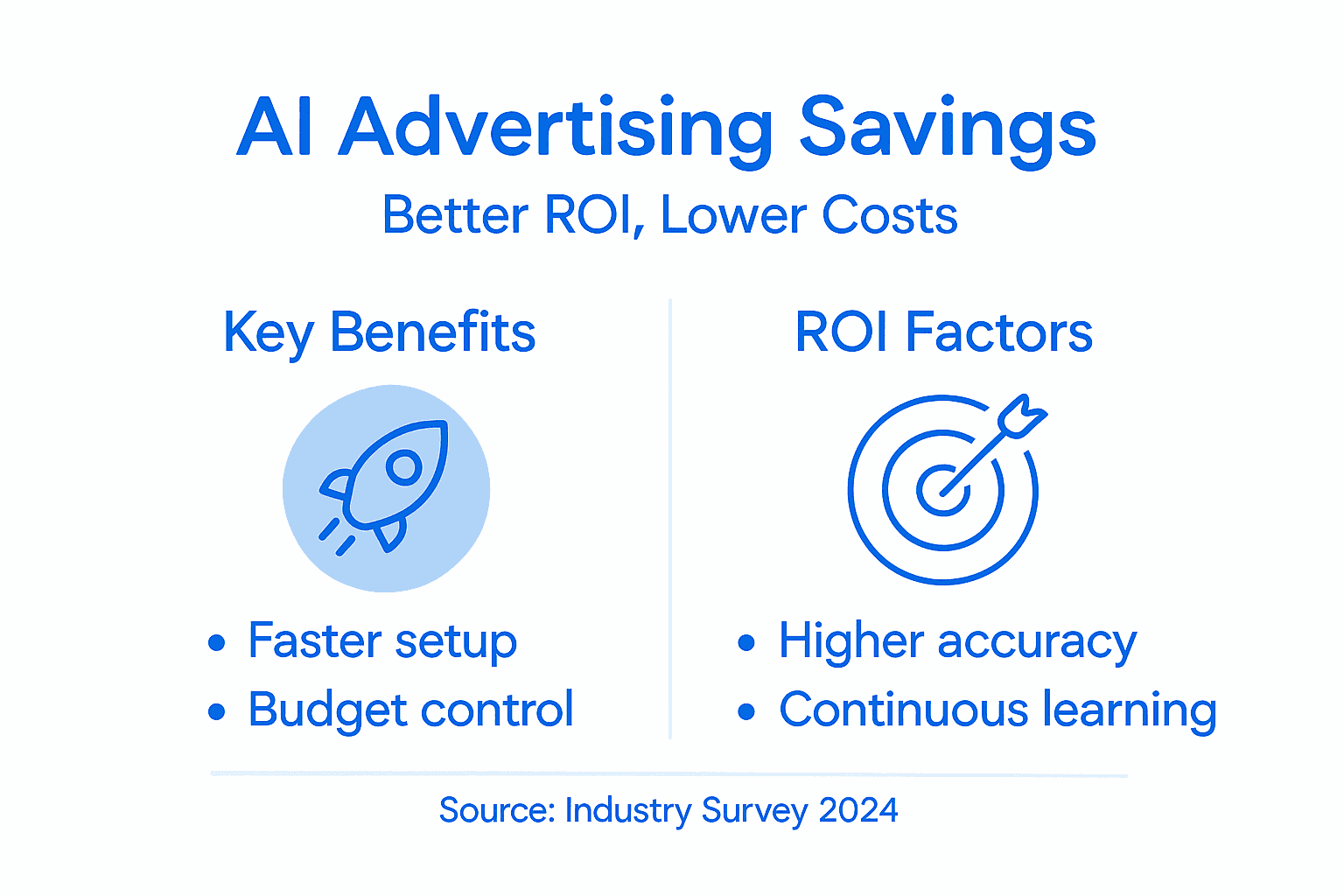
Companies implementing AI-driven advertising solutions have reported remarkable returns on investment across diverse industry sectors. Retail businesses, for instance, have documented average cost per acquisition reductions of 30-50% by leveraging machine learning algorithms that dynamically adjust bidding strategies and audience targeting. E-commerce platforms have experienced conversion rate improvements of up to 40% through hyper-personalized advertising campaigns that match individual consumer preferences with remarkable accuracy.
Real-world case studies highlight the economic potential of AI advertising technologies. A mid-sized fashion retailer reduced advertising spend by 25% while simultaneously increasing sales by 18% by implementing AI-powered audience segmentation and predictive content generation. Technology startups have utilized AI advertising tools to optimize marketing budgets, achieving more efficient customer acquisition with significantly lower customer acquisition costs compared to traditional digital advertising approaches.
The economic advantages of AI advertising extend beyond immediate cost savings. Intelligent systems continuously learn and adapt, creating a compounding effect of efficiency and performance improvement. By automating complex decision-making processes, businesses can reallocate human resources from repetitive tasks to strategic planning and creative development. This shift not only reduces operational costs but also enables more innovative and responsive marketing strategies that can quickly adapt to changing market conditions.
Porada profesjonalisty: Rozpocznij śledzenie bieżących wskaźników reklamowych przed wdrożeniem rozwiązań AI, aby ustalić jasny punkt odniesienia do pomiaru rzeczywistej poprawy wydajności i oszczędności kosztów.
Ryzyko, wyzwania i kwestie etyczne
Reklamy AI wprowadzają złożone wyzwania etyczne, które wymagają starannej nawigacji i odpowiedzialnego wdrażania. Kwestie etyczne w reklamie sztucznej inteligencji koncentrują się na ochronie prywatności, przejrzystości algorytmów i zapobieganiu potencjalnej manipulacji zachowaniami konsumentów za pomocą zaawansowanych technologii targetowania.
The primary ethical risks emerge from several critical domains. Data privacy represents the most significant concern, as AI systems require extensive personal information to generate precise targeting strategies. Algorithmic bias poses another substantial challenge, where machine learning models might inadvertently perpetuate discriminatory practices by replicating historical demographic patterns. Unintentional exclusion or unfair treatment of certain consumer groups can occur when AI systems rely on incomplete or historically skewed datasets.
Transparency and consent become paramount in addressing these ethical challenges. Businesses must implement robust mechanisms that provide clear explanations about data collection, usage, and consumer rights. This includes developing opt-out protocols, providing comprehensive privacy disclosures, and ensuring users understand how their personal information contributes to advertising algorithms. Regulatory frameworks are increasingly demanding stricter guidelines around AI-driven advertising practices, compelling companies to adopt more responsible technological approaches.
Mitigating ethical risks requires a multifaceted approach combining technological safeguards, organizational policies, and ongoing monitoring. Companies must invest in diverse training datasets, implement algorithmic auditing processes, and establish independent oversight mechanisms. By prioritizing fairness, transparency, and individual privacy, businesses can leverage AI advertising technologies while maintaining ethical standards and consumer trust.
Porada profesjonalisty: Opracowanie kompleksowych ram etycznych dla reklam AI, które obejmują regularne audyty stronniczości, przejrzyste zasady wykorzystania danych i jasne mechanizmy zgody konsumentów.
Odblokuj bardziej inteligentne i opłacalne kampanie dzięki Rekla.AI
The article highlights common challenges businesses face with AI advertising such as overcoming complexity, reducing advertising costs, and achieving precise audience targeting through machine learning. If you want to move beyond trial-and-error and manual campaign management, Rekla.AI oferuje platformę opartą na sztucznej inteligencji, zaprojektowaną w celu rozwiązania tych właśnie bolączek. Wykorzystując technologie OpenAI i GPT, Rekla.AI upraszcza tworzenie kampanii, generuje spersonalizowane kreacje reklamowe i z łatwością automatyzuje wielokanałowe wdrażanie na platformach takich jak Facebook, Google i TikTok.
Poznaj narzędzie, które:
- Zwiększa współczynnik klikalności poprzez dostarczanie hiper-spersonalizowanych reklam.
- Optymalizuje budżety w czasie rzeczywistym, aby zmaksymalizować ROI
- Oszczędność czasu dzięki zautomatyzowanym testom A/B i analizie kampanii.
Dowiedz się, jak możesz wdrożyć zaawansowaną reklamę AI bez konieczności posiadania wcześniejszej wiedzy specjalistycznej i od razu zacznij dostrzegać wymierne oszczędności kosztów i poprawę wydajności.
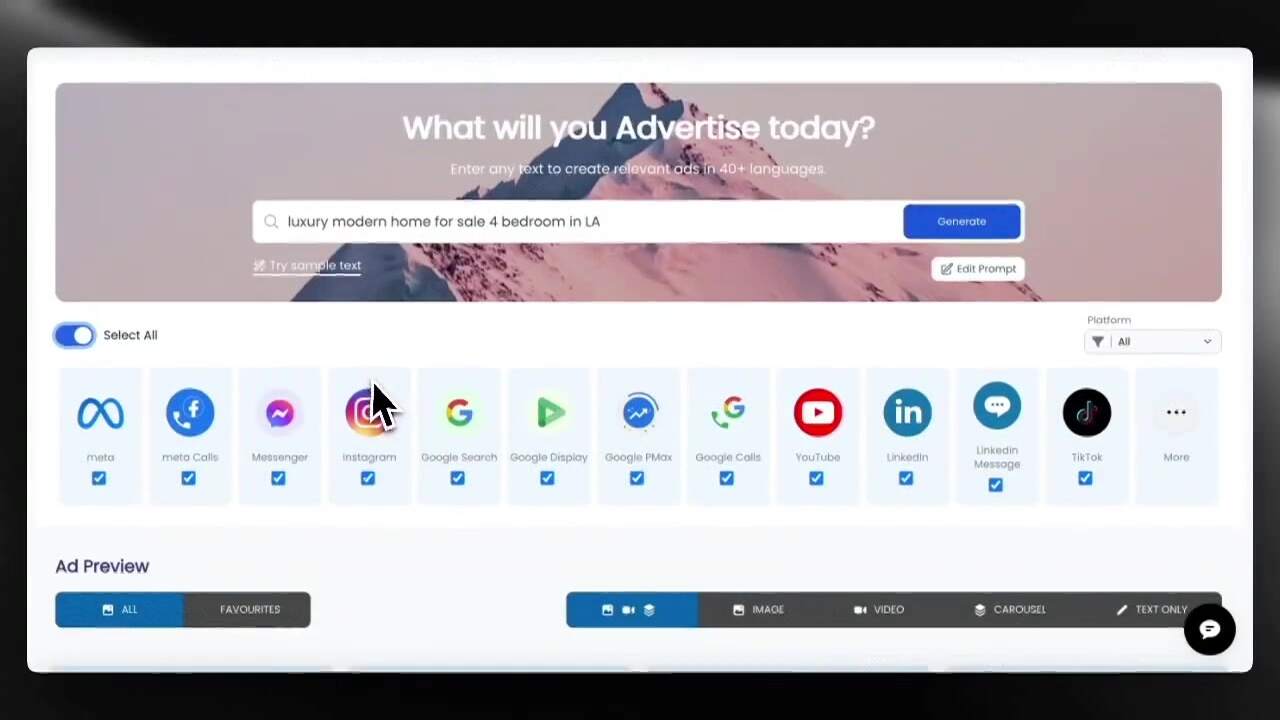
Gotowy, aby zmienić swoją strategię reklamową i zobaczyć, jak sztuczna inteligencja może dziś pracować dla Twojej firmy? Odwiedź Rekla.AI aby rozpocząć, zapoznać się z funkcjami platformy i uruchomić inteligentniejsze kampanie zaprojektowane w celu zapewnienia rzeczywistych wyników.
Często zadawane pytania
Czym jest reklama AI?
AI advertising is a digital marketing strategy that uses artificial intelligence technologies to enhance advertising strategies, optimize targeting, and improve campaign performance by analyzing large datasets.
W jaki sposób sztuczna inteligencja poprawia targetowanie i personalizację w reklamie?
Sztuczna inteligencja wykorzystuje algorytmy uczenia maszynowego do analizy danych konsumenckich, tworząc szczegółowe profile odbiorców, które pozwalają na dostarczanie hiper-spersonalizowanych treści w oparciu o indywidualne preferencje i zachowania.
Jakie są korzyści kosztowe wynikające z wykorzystania sztucznej inteligencji w reklamie?
AI advertising can significantly lower advertising costs by optimizing targeting, automating processes, and improving ROI through more efficient budget allocation and reduced customer acquisition costs.
Jakie kwestie etyczne wiążą się z reklamą AI?
Ethical considerations in AI advertising include data privacy, algorithmic bias, and the need for transparency in data usage. Companies must prioritize consumer trust by implementing clear privacy policies and conducting regular bias audits.
Zalecane
- Rekla.AI: Odblokowanie reklamy opartej na sztucznej inteligencji w celu personalizacji
- Rekla.AI: Odblokowanie reklamy opartej na sztucznej inteligencji w celu personalizacji
- Uruchom swoją pierwszą kampanię reklamową opartą na sztucznej inteligencji - przewodnik krok po kroku
- Uruchom swoją pierwszą kampanię reklamową opartą na sztucznej inteligencji - przewodnik krok po kroku
- ChatGPT SEO: Jak wykorzystać sztuczną inteligencję do inteligentniejszych kampanii SEO
 English
 English (UK)
 Polski
 Deutsch
 Español
 Français
 Português
 Svenska
 Dansk
Dansk Nederlands