

Every digital marketer recognizes the challenge of capturing the right audience while keeping ad budgets under control. With AI rapidly advancing, small and medium e-commerce businesses now have access to tools that provide real-time campaign adaptation, granular targeting, and automated optimization. This guide explains how AI-powered personalization and agile campaign management can transform your digital advertising strategy, helping you minimize waste and achieve the best possible return on every investment.
Inhoudsopgave
- What Defines A Digital Ad Campaign
- Types Of Digital Ad Campaigns Explained
- How AI Automation Transforms Campaigns
- Audience Targeting And Budget Allocation Essentials
- Optimizing Costs, ROI, And Avoiding Pitfalls
Belangrijkste conclusies
| Punt | Details |
|---|---|
| Effective Targeting is Crucial | Precise audience targeting based on demographics, interests, and behaviors enhances campaign success. |
| Multi-Channel Strategies Maximize Impact | Combining various ad types across platforms allows for a comprehensive marketing approach. |
| AI Automation Enhances Efficiency | Leveraging AI tools improves audience targeting, content optimization, and performance tracking. |
| Continuous Optimization is Essential | Regular performance reviews help identify areas for improvement and adapt strategies quickly for better ROI. |
What Defines a Digital Ad Campaign
Digital ad campaigns represent strategic marketing initiatives designed to promote products, services, or brands across internet-based platforms. These targeted efforts leverage digital channels to reach specific audiences with precision and measurable outcomes.
At its core, a digital ad campaign involves several critical components:
- Targeted audience selection based on demographics, interests, and behaviors
- Clear campaign objectives such as brand awareness, lead generation, or sales conversion
- Multi-channel deployment across platforms like search engines, social media, and display networks
- Performance tracking using real-time analytics and conversion metrics
The landscape of digital advertising platforms continues to evolve, offering businesses unprecedented opportunities to connect with potential customers. Modern digital ad campaigns are characterized by their ability to deliver personalized messaging at scale, enabling marketers to optimize spending and improve return on investment.
Successful digital ad campaigns require sophisticated targeting strategies that go beyond traditional advertising methods. They utilize advanced data analysis to understand consumer behaviors, predict engagement patterns, and refine messaging in real-time. This dynamic approach allows businesses to adapt quickly and maximize their advertising effectiveness.
Pro-tip: Develop a comprehensive audience persona before launching your digital ad campaign to ensure precise targeting and messaging alignment.
Types of Digital Ad Campaigns Explained
Digital ad campaigns encompass diverse strategies designed to reach and engage potential customers across various online platforms. Understanding the different types of digital advertising helps marketers select the most effective approach for their specific business objectives.
The primary types of digital ad campaigns include:
- Search Engine Advertising: Targeting users through keyword-based ads on search platforms like Google
- Adverteren via sociale media: Creating targeted campaigns on platforms such as Facebook, Instagram, and LinkedIn
- Display Network Advertising: Showcasing visual ads across websites and mobile apps
- Remarketing Campaigns: Reconnecting with users who have previously interacted with a brand
- Video Advertising: Deploying video content on platforms like YouTube and streaming services
Marketers can leverage ad platform strategies to maximize their campaign effectiveness. Each ad type offers unique advantages, allowing businesses to tailor their messaging and targeting to specific audience segments and marketing goals.
Successful digital ad campaigns require a nuanced understanding of each platform’s strengths and audience behaviors. For instance, search ads work best for capturing high-intent customers, while social media ads excel at building brand awareness and creating engagement. Video ads can provide immersive storytelling experiences, and display ads offer broad visual reach across digital ecosystems.

Here’s a quick comparison of popular digital ad campaign types and their strategic advantages:
| Ad Type | Best Use Case | Typical Audience |
|---|---|---|
| Search Engine Advertising | High-intent conversions | Users seeking information |
| Adverteren via sociale media | Building brand awareness | Engaged, social users |
| Display Network Advertising | Broad reach and visuals | Passive online browsers |
| Video Advertising | Storytelling and engagement | Visually-oriented viewers |
| Remarketing Campaigns | Re-engaging past visitors | Warm leads, past visitors |
Pro-tip: Develop a multi-channel strategy that combines different ad types to create a comprehensive and synergistic marketing approach.
How AI Automation Transforms Campaigns
Artificial intelligence is revolutionizing digital advertising by introducing unprecedented levels of precision, efficiency, and personalization. Modern marketers can now leverage advanced technologies to create smarter, more responsive advertising strategies that adapt in real-time to audience behaviors and preferences.
AI-powered automation offers several transformative capabilities:
- Intelligent Audience Targeting: Analyzing complex user data to identify most promising customer segments
- Dynamic Content Optimization: Automatically adjusting ad creative based on performance metrics
- Predictive Budget Allocation: Redistributing advertising spend to highest-performing channels
- Real-Time Performance Monitoring: Tracking campaign effectiveness and making instant adjustments
- Personalized Ad Experiences: Creating individualized messaging at scale
AI advertising research demonstrates how automation streamlines content creation, audience segmentation, and campaign management. By integrating machine learning algorithms, marketers can now execute more sophisticated targeting strategies with minimal manual intervention.
The most significant impact of AI lies in its ability to transform traditional linear marketing approaches into dynamic, adaptive systems. Advanced algorithms can now predict user intent, optimize bidding strategies, and generate compelling ad content that resonates with specific audience segments. This level of precision was previously impossible, giving businesses unprecedented control over their digital marketing investments.
The following table highlights how AI automation improves core digital ad campaign functions:
| AI Automation Function | Zakelijke impact | Example Benefit |
|---|---|---|
| Intelligent Targeting | Improved ad relevance | Higher click-through rates |
| Dynamic Content Optimization | Increased engagement | Betere conversiepercentages |
| Predictive Budgeting | More efficient media investment | Reduced ad spend waste |
| Real-Time Monitoring | Faster strategy adjustment | Immediate campaign updates |
| Personalized Experiences | Tailored customer interactions | Stronger brand loyalty |
Pro-tip: Implement AI-driven tools that offer granular performance tracking and automated optimization to maximize your advertising ROI.
Audience Targeting and Budget Allocation Essentials
Digital advertising success hinges on two critical elements: precise audience targeting and strategic budget allocation. Marketers must develop sophisticated approaches that transform raw data into actionable insights, enabling more efficient and effective campaign performance.
Key components of effective audience targeting include:
- Demographic Segmentation: Breaking down audiences by age, income, location, and other measurable characteristics
- Gedragsgerichte targeting: Analyzing user interactions, purchase history, and online behaviors
- Interest-Based Profiling: Identifying specific consumer preferences and engagement patterns
- Psychographic Segmentation: Understanding audience motivations, values, and lifestyle choices
- Lookalike Audience Creation: Developing new prospect groups based on existing high-performing customer profiles
Marketers can leverage ad targeting strategies to maximize campaign precision and efficiency. Intelligent budget allocation requires a dynamic approach that continuously redistributes funds based on real-time performance metrics, ensuring optimal return on investment.
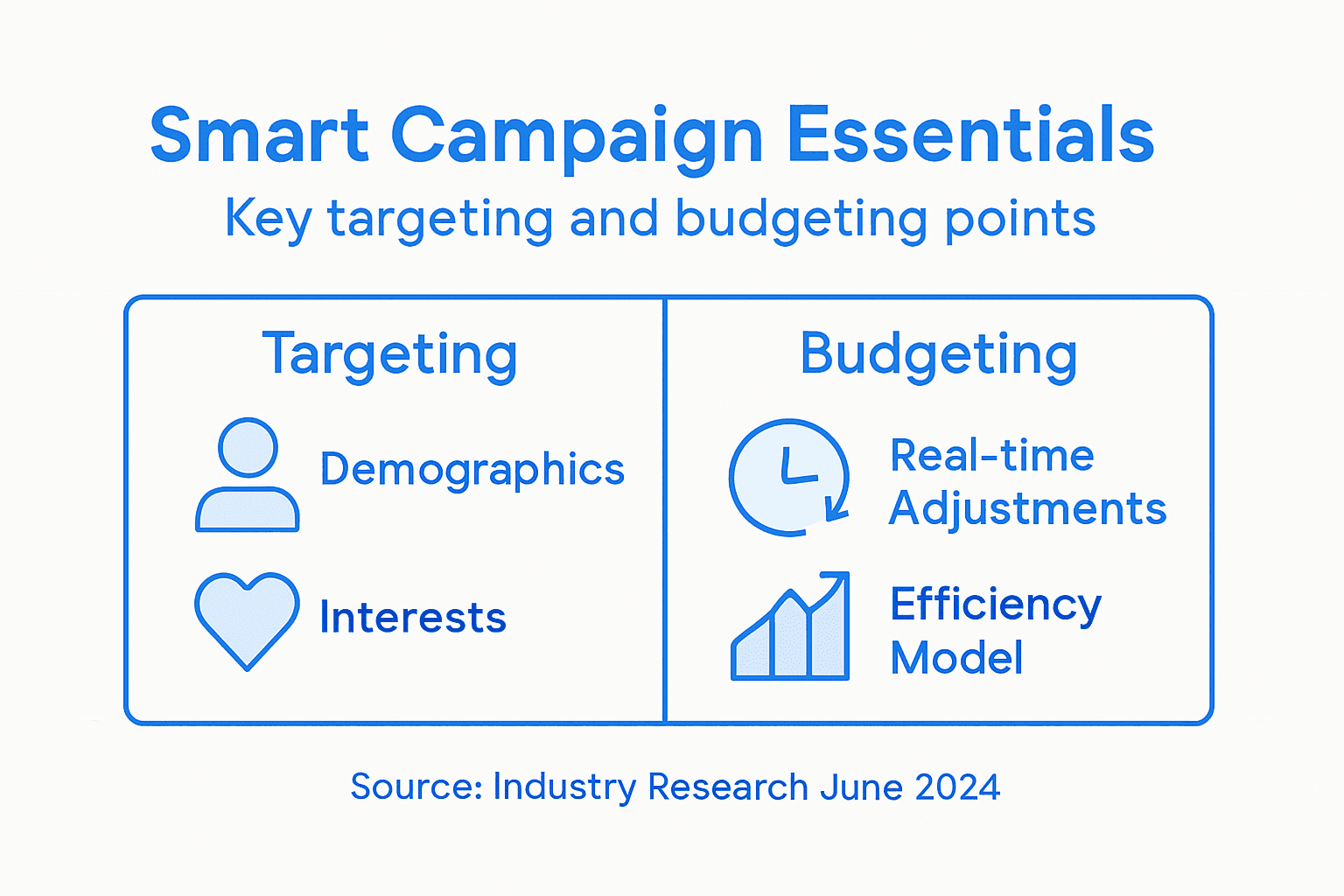
Successful budget allocation involves more than simple spending distribution. It demands a nuanced understanding of each channel’s unique performance characteristics, audience engagement potential, and conversion capabilities. Marketers must develop adaptive strategies that can quickly reallocate resources from underperforming channels to those demonstrating the highest potential for generating meaningful business results.
Pro-tip: Implement a data-driven budget allocation model that allows for real-time adjustments and maintains a flexible approach to campaign spending.
Optimizing Costs, ROI, and Avoiding Pitfalls
Digital advertising efficiency demands a strategic approach to minimizing expenses while maximizing campaign performance. Successful marketers understand that optimization is an ongoing process requiring continuous monitoring, analysis, and adaptive decision-making.
Common digital advertising pitfalls include:
- Budget Misallocation: Spending disproportionately on low-performing channels
- Inadequate Targeting: Failing to refine audience segmentation
- Neglecting Performance Metrics: Ignoring key conversion and engagement indicators
- Static Campaign Strategies: Not adjusting tactics based on real-time data
- Overlooking Audience Behavior: Misunderstanding user interaction patterns
Marketers can effectively optimize digital advertising costs by implementing systematic measurement and improvement frameworks. This involves developing a comprehensive understanding of key performance indicators and creating flexible campaign structures that can quickly adapt to changing market dynamics.
The most successful digital advertising strategies leverage data-driven insights to make precise, incremental improvements. This means continuously testing different targeting approaches, creative variations, and budget allocation methods. By maintaining a dynamic and responsive approach, marketers can systematically reduce waste, improve conversion rates, and ultimately increase the overall return on investment for their advertising efforts.
Pro-tip: Implement a monthly performance review process that critically analyzes campaign metrics and allows for rapid, data-informed adjustments to your advertising strategy.
Unlock Smarter Digital Ad Campaigns with AI-Powered Automation
The article highlights common challenges in digital advertising such as precise audience targeting, real-time optimization, and budget allocation that maximizes ROI. If you are struggling with managing complex multi-channel campaigns or want to reduce wasted ad spend while increasing engagement and conversions, you are not alone. Leveraging concepts like AI-driven dynamic content optimization and predictive budgeting can transform your campaign outcomes.
Rekla.AI addresses these pain points head-on by offering an AI-gestuurd advertentieautomatiseringsplatform designed to simplify launching and managing campaigns across over 15 platforms including Facebook, Google, and YouTube. With features such as intelligent audience targeting, automated multi-channel deployment, and comprehensive budget management, Rekla.AI saves you time while powering smarter, data-driven decisions for higher ROI.
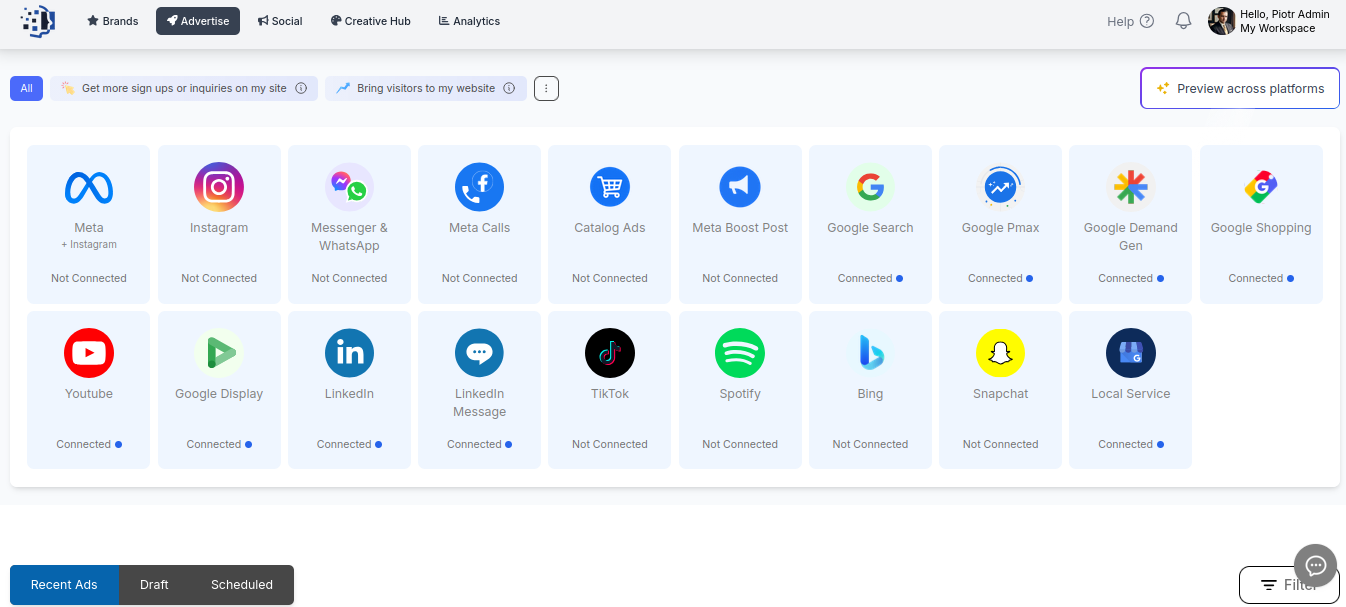
Ready to supercharge your campaigns with next-level AI technology? Discover how Rekla.AI turns complex digital ad campaign basics into streamlined success. Visit Rekla.AI now to start creating targeted, cost-efficient, and performance-optimized advertising strategies that scale with your business. Don’t wait to unlock smarter advertising and measurable results today.
Veelgestelde vragen
What is a digital ad campaign?
A digital ad campaign is a strategic marketing initiative aimed at promoting products, services, or brands through internet-based platforms. It involves targeted audience selection, clear objectives, multi-channel deployment, and performance tracking.
What are the types of digital ad campaigns?
Digital ad campaigns include several types, such as search engine advertising, social media advertising, display network advertising, remarketing campaigns, and video advertising, each with its specific advantages and use cases.
How does AI automation improve digital ad campaigns?
AI automation enhances digital ad campaigns by enabling intelligent audience targeting, dynamic content optimization, predictive budget allocation, real-time performance monitoring, and personalized ad experiences. This leads to higher engagement and improved ROI.
What are some common pitfalls to avoid in digital advertising?
Common pitfalls in digital advertising include budget misallocation, inadequate targeting, neglecting performance metrics, using static strategies, and overlooking audience behavior. Continuous monitoring and adaptive decision-making can help avoid these challenges.
 English
 English (UK)
 Polski
 Deutsch
 Español
 Français
 Português
 Svenska
 Dansk
Dansk Nederlands