

Nearly 65 percent of American e-commerce marketers say juggling ads across Facebook, TikTok, LinkedIn, and Google eats up valuable time and resources. For digital marketing professionals in small and medium-sized businesses, this challenge can hold back growth and strain budgets. Understanding cross-platform ad management puts you in control of your spend and sets the stage for sharper, more profitable campaigns that reach the right audiences at the right moments.
Spis treści
- Czym jest wieloplatformowe zarządzanie reklamami?
- Rodzaje wielokanałowych rozwiązań do zarządzania reklamami
- Jak sztuczna inteligencja automatyzuje tworzenie i optymalizację kampanii
- Przepływ pracy: Konfigurowanie i uruchamianie kampanii międzyplatformowych
- Kluczowe wyzwania, zagrożenia i sposoby ich uniknięcia
- Alternatywy dla wieloplatformowych platform zarządzania reklamami
Najważniejsze wnioski
| Punkt | Szczegóły |
|---|---|
| Zarządzanie reklamami na różnych platformach | Integruje kampanie reklamowe w wielu kanałach, aby zwiększyć spójność i skuteczność marki. |
| Automatyzacja dzięki sztucznej inteligencji | Narzędzia oparte na sztucznej inteligencji optymalizują tworzenie kampanii i targetowanie odbiorców, zmniejszając nakład pracy ręcznej i zwiększając precyzję. |
| Kompleksowa strategia | Skuteczne kampanie wymagają szczegółowego planowania, w tym badania odbiorców i treści specyficznych dla platformy, aby zmaksymalizować zaangażowanie. |
| Wyzwania związane z zarządzaniem danymi | Zajmij się fragmentacją danych i niespójnymi wskaźnikami, inwestując w ujednolicone narzędzia do śledzenia i zaawansowane modele atrybucji. |
Czym jest wieloplatformowe zarządzanie reklamami?
Cross-platform ad management is a sophisticated digital marketing strategy that enables businesses to synchronize, optimize, and track advertising campaigns across multiple online platforms simultaneously. By integrating ad efforts on different channels like Facebook, Google, TikTok, LinkedIn, and YouTube, marketers can create a cohesive brand narrative and maximize their advertising effectiveness.
W swej istocie, wieloplatformowe reklamy ukierunkowane represents a collaborative approach where platforms work together to enhance consumer targeting precision. This strategy goes beyond simply posting the same advertisement on different networks. Instead, it involves carefully crafting messages that resonate with specific audience segments while maintaining consistent brand messaging and optimizing budget allocation across various digital channels.
The primary goal of cross-platform ad management is to create a unified marketing ecosystem that provides seamless consumer experiences. By analyzing performance metrics from each platform, businesses can dynamically adjust their strategies, reallocate resources, and develop more intelligent advertising approaches. This method allows marketers to understand how different audience segments interact with their content, enabling more nuanced and sophisticated targeting techniques.
Porada profesjonalisty: Start by establishing clear cross-platform performance benchmarks and invest in analytics tools that can aggregate data from multiple advertising channels to gain comprehensive insights into your campaign effectiveness.
Rodzaje wielokanałowych rozwiązań do zarządzania reklamami
Multi-channel ad management solutions encompass a range of technological approaches designed to streamline and optimize digital advertising across diverse platforms. These solutions are critical for businesses seeking to create integrated marketing strategies that maximize reach and efficiency. Ujednolicone platformy reklamowe Zazwyczaj dzielą się one na trzy podstawowe kategorie: kompleksowe systemy zarządzania, wyspecjalizowane narzędzia specyficzne dla platformy oraz zintegrowane rozwiązania hybrydowe.
Ramy marketingu wielokanałowego provide businesses with flexible strategies for managing complex digital advertising ecosystems. The first category includes all-in-one management platforms that offer centralized control across multiple advertising channels. These systems enable marketers to create, launch, monitor, and optimize campaigns from a single dashboard, providing real-time performance analytics and automated optimization capabilities.
Specialized solutions represent another critical type of multi-channel ad management approach. These tools focus on specific platform ecosystems like social media advertising, search engine marketing, or programmatic advertising networks. Such solutions offer deep, granular controls and advanced targeting capabilities within their designated channels, allowing marketers to develop highly sophisticated and context-specific advertising strategies. Hybrid solutions combine elements of both comprehensive and specialized platforms, offering businesses scalable and adaptable advertising management frameworks that can evolve with changing market dynamics.
Oto porównanie głównych typów wielokanałowych rozwiązań do zarządzania reklamami:
| Typ rozwiązania | Scentralizowana kontrola | Głębokość cech platformy | Skalowalność |
|---|---|---|---|
| Kompleksowe platformy | Zarządzanie wszystkimi kanałami z jednego pulpitu nawigacyjnego | Umiarkowany, obejmuje większość platform | Wysoki, odpowiedni do wzrostu |
| Narzędzia specjalistyczne | Koncentracja na określonych kanałach reklamowych | Dogłębne, zaawansowane kierowanie na platformę | Ograniczone do wybranych platform |
| Rozwiązania hybrydowe | Łączy wiele typów platform | Połączenie szerokości i głębi | Elastyczny, dostosowuje się do potrzeb |
Porada profesjonalisty: Evaluate multi-channel ad management solutions based on your specific business needs, focusing on integration capabilities, reporting depth, and scalability rather than getting overwhelmed by feature lists.
Jak sztuczna inteligencja automatyzuje tworzenie i optymalizację kampanii
Artificial Intelligence has revolutionized digital advertising by transforming how marketers create, deploy, and optimize advertising campaigns. Unlike traditional methods that rely on manual intervention, AI-powered systems can now generate, analyze, and adjust marketing strategies with unprecedented speed and precision. Zautomatyzowane zarządzanie kampaniami stanowi milowy krok w technologii reklamowej, umożliwiając firmom osiągnięcie bardziej wyrafinowanego targetowania i personalizacji.
Generatywne rozwiązania AI now offer comprehensive automation across multiple critical advertising functions. These intelligent systems can automatically generate ad copy, design visual creatives, identify optimal audience segments, and dynamically adjust bidding strategies in real-time. By analyzing vast amounts of performance data, AI can make instantaneous decisions about ad placement, budget allocation, and targeting parameters that would take human marketers hours or even days to process.
The core capabilities of AI-driven campaign optimization extend far beyond simple automation. Advanced machine learning algorithms can predict consumer behavior, understand complex audience interactions, and continuously refine advertising strategies. These systems analyze multiple data points including user engagement, conversion rates, demographic information, and browsing patterns to create hyper-personalized advertising experiences. The result is a more efficient, responsive, and intelligent approach to digital marketing that minimizes wasted ad spend and maximizes return on investment.
Porada profesjonalisty: Wdrażaj narzędzia kampanii oparte na sztucznej inteligencji stopniowo, zaczynając od jednej platformy lub typu kampanii, aby zrozumieć ich specyficzne możliwości i stopniowo rozszerzać swoją zautomatyzowaną strategię marketingową.
Przepływ pracy: Konfigurowanie i uruchamianie kampanii międzyplatformowych
Przeprowadzenie udanej wieloplatformowej kampanii reklamowej wymaga strategicznego, metodycznego podejścia, które wykracza poza zwykłe publikowanie identycznych treści na wielu kanałach. Efektywne przepływy pracy kampanii wymagają starannego planowania, dostosowywania do platformy i ciągłego monitorowania wydajności, aby zapewnić maksymalne zaangażowanie i zwrot z inwestycji.

Realizacja kampanii na różnych platformach involves developing a comprehensive strategy that synchronizes brand messaging while respecting each platform’s unique audience dynamics and content preferences. The initial phase requires marketers to conduct thorough audience research, identifying key demographics, behavioral patterns, and platform-specific engagement trends. This foundational work enables the creation of tailored content that resonates authentically with different audience segments across Facebook, Google, TikTok, LinkedIn, and other digital advertising channels.
The technical implementation of a cross-platform campaign involves several critical steps. Marketers must establish consistent brand guidelines, develop platform-specific creative assets, set unified campaign objectives, and configure advanced tracking mechanisms. Advanced advertising platforms now offer integrated dashboards that allow real-time performance monitoring, budget allocation adjustments, and automated optimization across multiple channels. This approach enables businesses to dynamically reallocate resources, target high-performing audience segments, and minimize inefficient ad spending through intelligent, data-driven decision making.
Porada profesjonalisty: Create a detailed content matrix that maps platform-specific audience characteristics, optimal posting times, and engagement metrics before launching your cross-platform campaign to maximize strategic alignment.
Kluczowe wyzwania, zagrożenia i sposoby ich uniknięcia
Wieloplatformowe zarządzanie reklamami wiąże się z wieloma złożonymi wyzwaniami, które mogą znacząco wpłynąć na wyniki marketingowe i zwrot z inwestycji. Strategiczne ograniczanie ryzyka wymaga kompleksowego zrozumienia potencjalnych pułapek i proaktywnych rozwiązań, aby zapobiec kosztownym błędom reklamowym i nieefektywności.
Wyzwania związane z wieloplatformowym śledzeniem reklam encompass multiple critical issues that marketers must navigate carefully. These challenges include scattered data across platforms, inconsistent metrics, complex attribution models, and evolving privacy regulations. Marketers frequently struggle with data fragmentation, where performance insights are distributed across different platforms, making holistic campaign analysis difficult. Incompatible tracking methodologies and platform-specific reporting standards further complicate accurate performance measurement and strategic decision making.
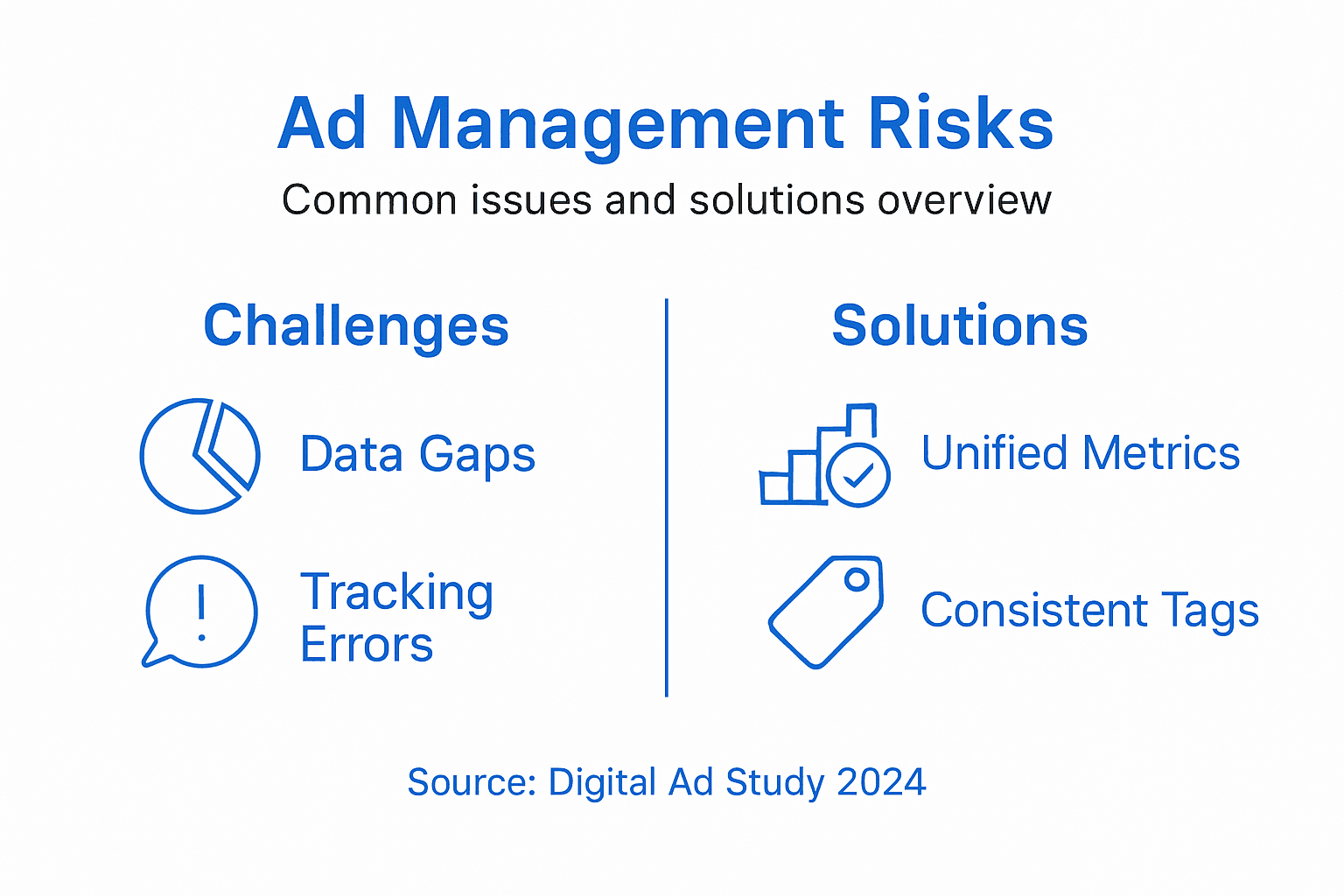
Addressing these challenges requires a multifaceted approach combining advanced technological solutions and strategic planning. Businesses must invest in unified tracking tools that can consolidate data from multiple platforms, implement privacy-compliant tracking mechanisms, and develop sophisticated attribution models that provide comprehensive campaign insights. Advanced artificial intelligence and machine learning technologies can help bridge platform differences, standardize performance metrics, and create more intelligent, adaptive advertising strategies that minimize risks and maximize campaign effectiveness.
Poniższa tabela podsumowuje kluczowe wyzwania związane z wieloplatformowym zarządzaniem reklamami i sugerowane rozwiązania:
| Wyzwanie | Wpływ na kampanie | Skuteczne rozwiązanie |
|---|---|---|
| Fragmentacja danych | Zmniejsza dokładność pomiaru | Korzystanie z ujednoliconych narzędzi śledzenia |
| Niespójne wskaźniki | Komplikuje analizę wydajności | Standaryzacja praktyk raportowania |
| Złożone przypisanie | Utrudnia obliczanie zwrotu z inwestycji | Przyjęcie zaawansowanych modeli atrybucji |
| Przepisy dotyczące prywatności | Możliwości śledzenia limitów | Wdrażanie analityki zgodnej z zasadami ochrony prywatności |
Porada profesjonalisty: Opracowanie scentralizowanej strategii integracji danych, która standaryzuje parametry śledzenia na wszystkich platformach reklamowych przed uruchomieniem złożonych kampanii wielokanałowych.
Alternatywy dla wieloplatformowych platform zarządzania reklamami
Firmy poszukujące elastycznych rozwiązań w zakresie reklamy cyfrowej mają wiele alternatyw dla tradycyjnych wieloplatformowych platform do zarządzania reklamami. Ekosystemy technologii marketingowych obecnie oferują różnorodne narzędzia, które mogą uzupełniać lub zastępować kompleksowe systemy zarządzania reklamą, zapewniając rozwiązania dostosowane do różnych potrzeb organizacyjnych i ograniczeń budżetowych.
Alternatywy dla platformy reklamowej Meta represent a growing market segment designed to address complex enterprise advertising challenges. These solutions typically offer advanced features like multi-account management, sophisticated integration capabilities, enhanced automation, and more granular analytics compared to native platform tools. Organizations can choose from specialized software that provides superior scalability, deeper compliance features, and more intelligent campaign optimization strategies.
The landscape of cross-platform ad management alternatives includes several key categories: native platform management tools, third-party aggregation platforms, enterprise-grade marketing suites, and custom integration solutions. Each category offers unique advantages, ranging from cost-effectiveness and ease of use to advanced analytical capabilities and multi-channel synchronization. Small businesses might prefer lightweight, affordable tools with straightforward interfaces, while larger enterprises may require comprehensive solutions that provide robust reporting, team collaboration features, and seamless integration with existing marketing technology stacks.
Porada profesjonalisty: Przed wyborem alternatywnej platformy należy przeprowadzić szczegółowy audyt bieżących przepływów pracy w reklamie i wskaźników wydajności, aby zapewnić maksymalną kompatybilność i minimalne zakłócenia.
Odblokuj inteligentniejsze zarządzanie reklamami na różnych platformach dzięki Rekla.AI
Zarządzanie kampaniami reklamowymi na wielu platformach może wydawać się przytłaczające ze względu na rozproszone dane, niespójne wskaźniki i złożone potrzeby w zakresie targetowania. W tym artykule podkreślono, w jaki sposób Wyzwania związane z zarządzaniem reklamami na różnych platformach takie jak fragmentacja danych i przepisy dotyczące prywatności wpływają na zwrot z inwestycji i skuteczność kampanii. Jeśli chcesz ograniczenie marnowania wydatków na reklamę przy jednoczesnej maksymalizacji współczynników klikalności i konwersji, Jest jednak mądrzejszy i łatwiejszy sposób.
Rekla.AI leverages advanced AI technology to automate ad creation, real-time optimization, and precise audience targeting across over 15 major platforms including Facebook, Google, TikTok, and LinkedIn. With features like AI-generated creatives, budget management, and comprehensive analytics, Rekla.AI empowers small-to-medium businesses and digital marketers to launch sophisticated campaigns without needing expert skills. Experience seamless multi-channel campaign management that adapts dynamically to maximize your advertising impact.
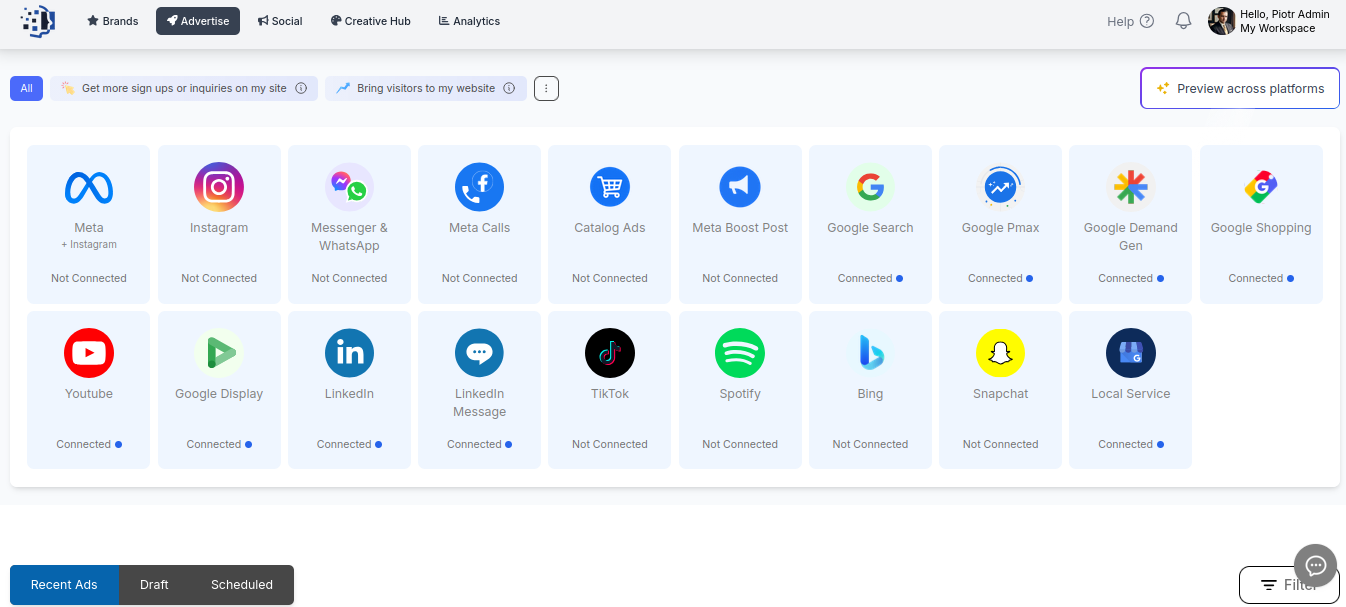
Wyjdź poza złożoność zarządzania wieloma platformami i ujednolic swoje działania marketingowe już dziś. Dowiedz się, jak Rekla.AI przekształca wieloplatformowe zarządzanie reklamami w usprawniony, wydajny proces, który zapewnia wymierne wyniki. Odwiedź Rekla.AI now to start building smarter campaigns and boost your ROI effortlessly. Learn more about our AI-powered automation and how we simplify multi-channel ad deployment to keep you ahead in digital advertising.
Często zadawane pytania
Czym jest wieloplatformowe zarządzanie reklamami?
Cross-platform ad management is a digital marketing strategy that allows businesses to streamline, optimize, and track advertising campaigns across multiple online platforms simultaneously. It ensures a cohesive brand narrative and maximizes advertising effectiveness by targeting specific audience segments.
W jaki sposób sztuczna inteligencja usprawnia wieloplatformowe zarządzanie reklamami?
AI enhances cross-platform ad management by automating campaign creation, optimization, and real-time adjustments, allowing for more sophisticated targeting and personalization. It analyzes vast amounts of data to make instantaneous decisions that improve campaign efficiency and ROI.
Jakie są główne typy wielokanałowych rozwiązań do zarządzania reklamami?
The main types of multi-channel ad management solutions include comprehensive management platforms, specialized platform-specific tools, and hybrid integrated solutions. Each type offers varying levels of centralized control, targeting capabilities, and scalability for businesses.
Jakie wyzwania stoją przed wieloplatformowym zarządzaniem reklamami?
Key challenges include data fragmentation, inconsistent metrics, complex attribution models, and evolving privacy regulations. Marketers need to address these issues through unified tracking tools, standardized reporting, and privacy-compliant analytics to maximize campaign effectiveness.
Zalecane
- Reklama wieloplatformowa: Zsynchronizuj przekaz marki we wszystkich kanałach
- Reklama wieloplatformowa: Zsynchronizuj przekaz marki we wszystkich kanałach
- Przedstawiamy Foldery optymalizacji: Uprość i zmaksymalizuj wydajność kampanii reklamowej
- Przedstawiamy Foldery optymalizacji: Uprość i zmaksymalizuj wydajność kampanii reklamowej
- Czym jest sieć reklamowa? Zrozumieć sieci reklamowe w grach mobilnych - playablemaker.com Co to jest sieć reklamowa? Zrozumienie sieci reklamowych w grach mobilnych
 English
 English (UK)
 Polski
 Deutsch
 Español
 Français
 Português
 Svenska
 Dansk
Dansk Nederlands